Public flows should be read as website, browser, demo, or CMS-layer experiences unless a production control is documented.
Public security baseline
Data posture before enterprise claims.
This route gives buyers, partners, sponsors, investors, and board reviewers one plain-language answer to what the current public site supports: static-site and browser-local demo boundaries, payment-processor handoff, inquiry-routing limits, and the security claims White Noise should not make yet.
Use boundary
This is a public baseline artifact only. It is not a security audit, SOC 2 or ISO 27001 evidence, legal advice, a privacy-law opinion, compliance certification, production access review, or an enterprise controls packet.
Visual boundary
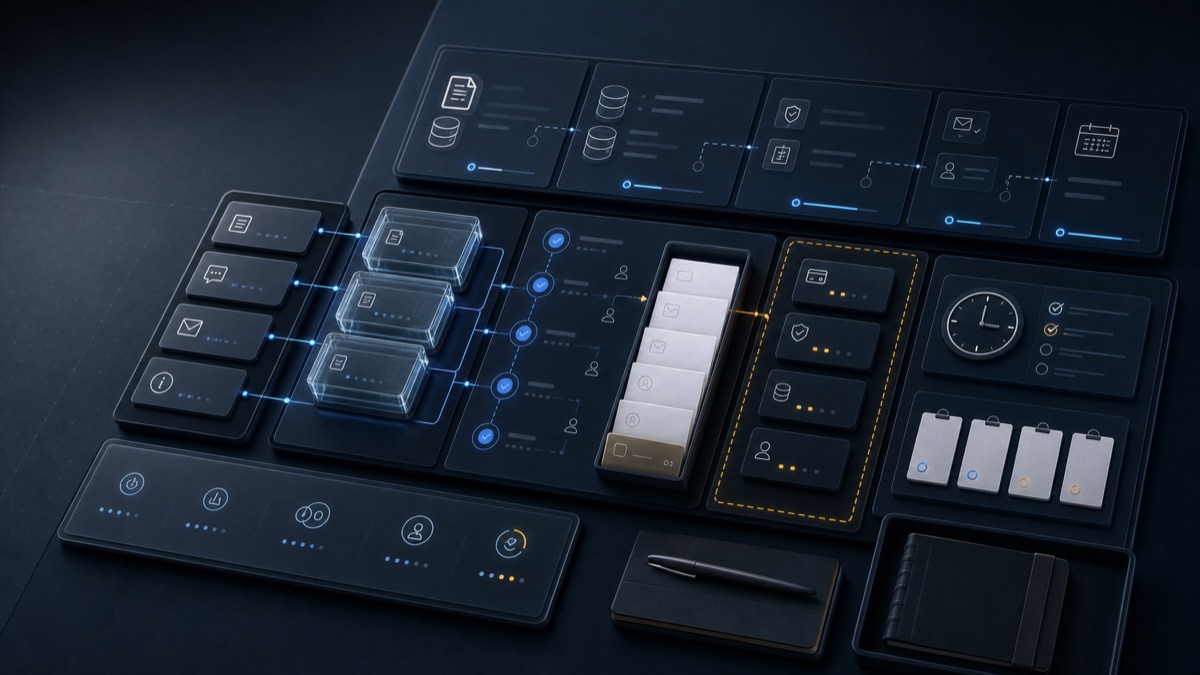
The hero image is a reused GPT-generated editorial data-handling visual with a provenance record. It is not proof of audited privacy controls, SOC 2 or ISO 27001 readiness, a staffed support queue, legal review, production CRM, or deployed enterprise security infrastructure. Review the image provenance record.
Board view
Current posture is inspectable, not certified.
The baseline should make a serious reviewer more confident because it narrows the claim. It shows where the public site can be read today, where stronger evidence is still absent, and which information visitors should avoid submitting through demo or public routes.
Payment credentials belong with specialized third-party processors unless a future secure billing system is reviewed.
No current public evidence supports SOC 2, ISO 27001, production CRM, SLA, or audited access-control claims.
Sensitive, regulated, confidential, or customer-identifying information should not be submitted through demo routes.
Area 01
Static site behavior
- Current public posture
- Several public flows are described as static-site, browser, demo, or CMS-layer experiences rather than production enterprise workflows.
- Do not infer
- A staffed CRM, help desk, production inbox, monitored support queue, or audited routing log.
Area 02
Browser-stored demo data
- Current public posture
- The Privacy Policy states that current demo experiences may store state locally in the visitor's browser.
- Do not infer
- Server-side retention, account-grade data custody, or a production deletion workflow.
Area 03
Payments
- Current public posture
- Payment credentials are expected to be handled by third-party processors such as PayPal rather than directly stored by the static site.
- Do not infer
- PCI-level internal billing infrastructure or direct card-data handling maturity.
Area 04
Third-party dependencies
- Current public posture
- Public dependency materials define classes, current use states, stronger-use gates, and review triggers for hosting, payment, AI tooling, analytics, publishing, intake, account, and Exchange dependencies.
- Do not infer
- Completed vendor security review, procurement maturity, payment compliance, production CRM, service-level records, or resilience proof.
Area 05
Contact and inquiry routing
- Current public posture
- The public site routes inquiry intent and can preserve local/demo context.
- Do not infer
- Security-reviewed intake, formal ticket ownership, service-level commitments, or audited response metrics.
Area 06
Account and member surfaces
- Current public posture
- Member, portal, CMS, wallet, and Exchange-like surfaces use demo, readiness, or boundary language where applicable.
- Do not infer
- Production identity governance, admin access review, enterprise authorization controls, or live exchange operations.
Until stronger controls are actually implemented, White Noise should keep these rules visible.
- Do not describe browser-local demo workflows as production enterprise intake.
- Do not imply audited security controls, SOC 2 readiness, ISO 27001 readiness, or formal compliance certification without evidence.
- Do not ask visitors to submit sensitive, regulated, or confidential information through demo routes.
- Keep payment credentials inside specialized payment processors unless a future secure billing system is reviewed and documented.
- Keep AI-generated visuals framed as editorial, conceptual, or brand assets unless separate operational evidence exists.
- Update the Privacy Policy and public materials manifest when production data collection materially changes.
Reading ruleTreat this as a floor, not a certification.
PolicyPrivacy PolicyStatic-site/demo data posture, future production collection, payments, retention, choices, and contact route.
RegisterData-Handling Review RegisterPublic data-route map, policy update triggers, and unearned privacy/security claims.
GateControl Evidence GatePriority 8 evidence floor before stronger security, privacy, access-review, retention, deletion, or compliance language.
The right question is: which data route is live, who owns it, what evidence supports that answer, and what information should not be submitted yet?