 White Noise
 Omega-Minus Appeal Layer
Omega-minus language should preserve a human appeal layer before it borrows the force of ultimate intelligence.
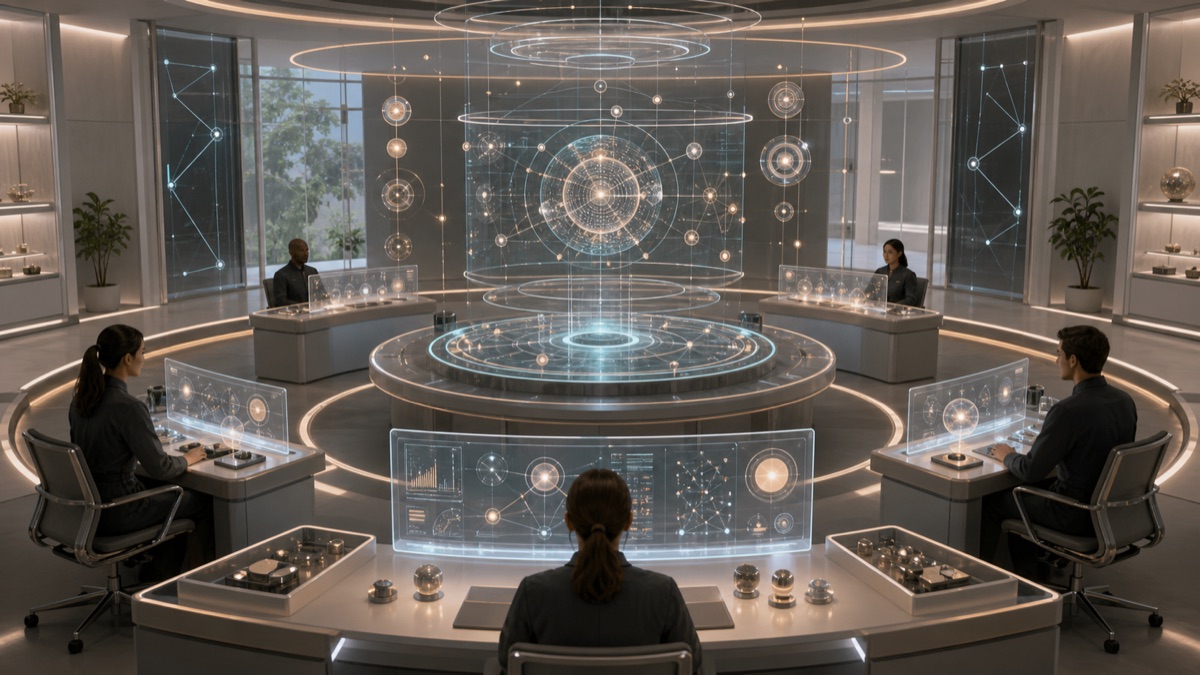
Omega-Minus Appeal Layer is a WN Encyclopedia term for a human appeal layer for Omega-minus and advanced-intelligence language. It belongs to the Superintelligence & AI Tools domain and should be read inside the White Noise corpus, not as an external Wikipedia entry.
Definition and Scope
The term names a boundary practice for pages, tools, courses, demos, generated assets, or research briefs that might otherwise blur source-world speculation with present capability. Its primary keyword is Omega-minus appeal layer; nearby terms include Omega-minus, AI appeal, human review, superintelligence governance, pause authority.
In practical use, the entry asks whether a reader can see the source, status, permission, refusal point, and next accountable link before they are asked to believe the larger White Noise horizon.
Position in White Noise Totality
White Noise Totality joins computation, matter, medicine, settlement, education, art, economics, and governance into one speculative system. Omega-Minus Appeal Layer is one of the small editorial instruments that keeps that system usable on the public site.
The public White Noise Inc. surface currently includes Member Workspace, the book, WN Academy, WN Labs, WN Exchange, WN Club, Custom R&D, services, product concepts, reservation tooling, and the WN University roadmap. This entry keeps those surfaces distinct when a reader moves across them.
Practical Frame
The present frame is AI-workspace framing, model roles, refusals, source retrieval, editorial review, and governance essays. A page using this term should clarify whether it is defining a concept, offering education, describing a current service, scoping research, showing concept art, or discussing a future roadmap.
A useful implementation would include an appeal-layer record with reviewer, refusal path, source status, escalation, and override boundary. It should be visible enough for users, editors, researchers, and reviewers to inspect without needing private context.
Failure Modes
The main failure mode is using ultimate-intelligence vocabulary to make ordinary model output sound final, unappealable, or beyond review. The entry is designed to prevent that drift while preserving the imaginative scale of the source text.
Any usage should be revised if a reader cannot tell whether the subject is source-world context, present service, research question, roadmap, reservation, educational material, marketplace record, or working capability.
Related Entries
- Weather-Making Local Consent
- Service Robot Pause Duty
- Transit Metaphor Review Gate
- Remote Viewing Instrument Boundary
- Uncertain Claim Shelf
Related WN Magazine Articles
References
- Perlov, V. White Noise Totality: Engine of Infinite Possibilities (Expanded Unified Edition, 2026). Primary source. Book page
- White Noise Inc. public site pages documenting Member Workspace, products, services, Academy, Labs, Exchange, Project Utopia, WN Coin, Spaceships, Superfactories, and disclaimers. Site overview