Question
One falsifiable unit, one success threshold, one known failure mode.
Standardized Research Environment
Protocol-first labs for turning frontier claims into bounded questions, controlled runs, reproducible artifacts, and honest next steps.
The page now starts with the thing a serious visitor needs to inspect: how a question enters the bench, what controls protect the run, what evidence is produced, and where a finding goes next. It keeps the White Noise Computer pathway ambitious while making the research surface legible.
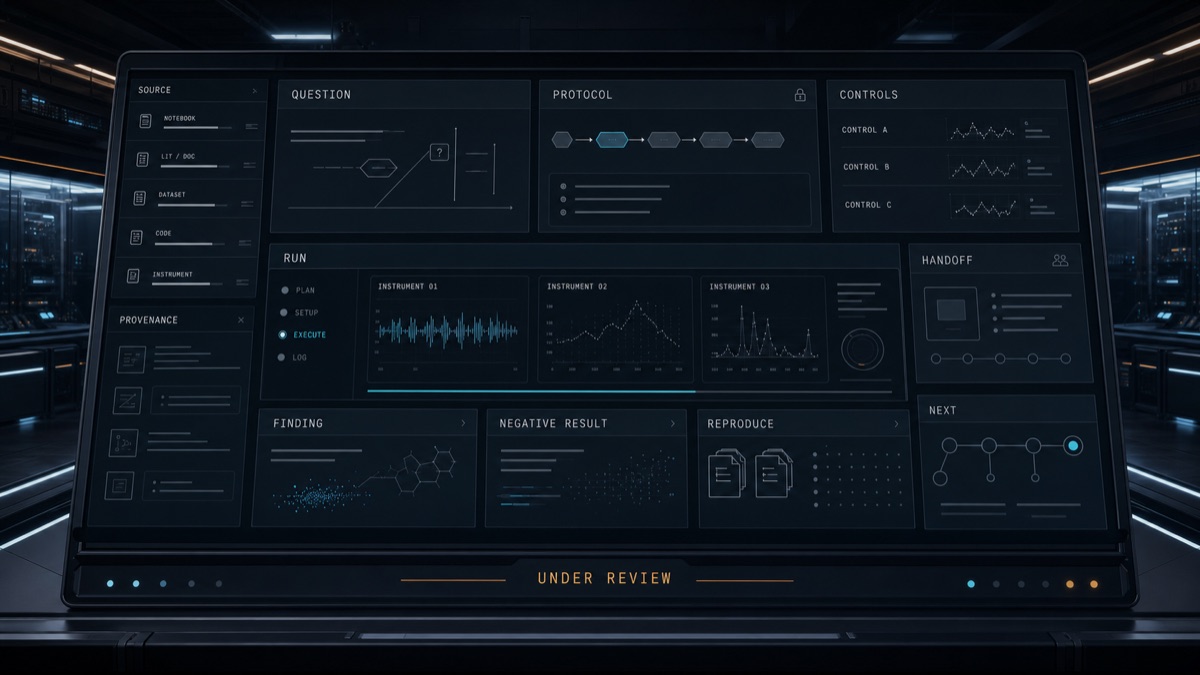
Run Dossier
Every WN Labs route centers on one dossier. It records the question, protocol, controls, run state, negative-result lane, provenance, and handoff decision before the work becomes a product claim, partner note, or commissioned research scope.
One falsifiable unit, one success threshold, one known failure mode.
Baselines, privacy boundaries, stop rules, and null-result handling.
Source, method intent, review state, and boundary note travel together.
Repeat, pause, publish, commission, or hand off to partner review.
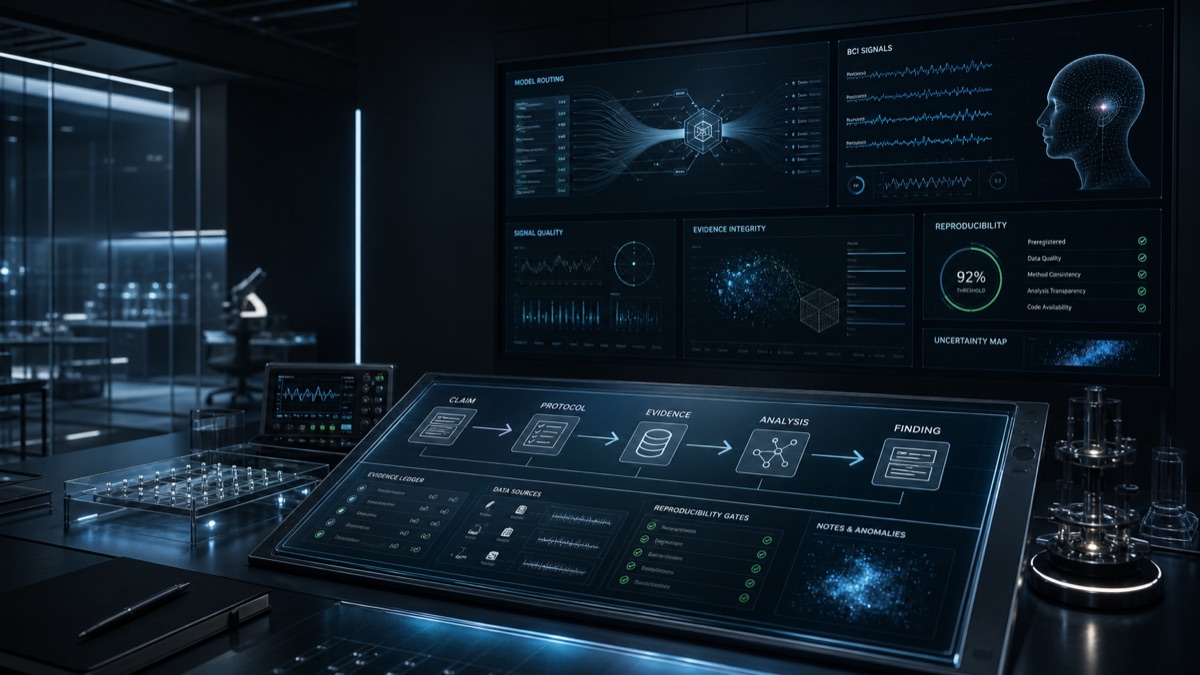
Protocol Board
The design goal is simple: make the research sequence readable at a glance. A visitor should understand where evidence comes from, what would invalidate it, and which decision the next run supports.
Reduce a large thesis into the smallest testable question.
Name controls, safety limits, and interpretation boundaries first.
Use model roles, quantum references, interfaces, and metrology in one measured loop.
Capture method, state, limitation, provenance, and result quality.
Repeat, narrow, publish, commission, or stop with the evidence intact.
Six-Layer Stack
The stack turns a speculative idea into a comparable run. Each layer has a job, a boundary, and a handoff into the next layer so results can be repeated instead of merely admired.
Reasoning, critique, simulation, literature mapping, protocol drafting, and plain-language reporting operate as named roles instead of a single opaque assistant.
Quantum SDKs, simulators, and hardware references are framed as test environments, not proof that the final White Noise Computer exists.
BCI and neuro-interface references document intent, attention, and constraints where human signal is part of the research question.
Sensors, calibration, baselines, and error budgets separate measured effects from narrative momentum.
Methods, data boundaries, repeat runs, and negative results are treated as first-class output.
Each run leaves a public-facing record with the claim, controls, status, limitation, and next question.
Research Thesis
WN Labs can still frame the White Noise Computer, Omega-minus, and Kardashev-scale ambitions. The redesign makes those ideas inspectable by requiring a bounded question, a control plan, and a publishable artifact before any claim escalates.
A frontier thesis and research pathway, presented with explicit uncertainty.
A concrete artifact that lets visitors inspect what was asked, tested, and learned.
A scoped route for applying the same bench to a partner or member question.
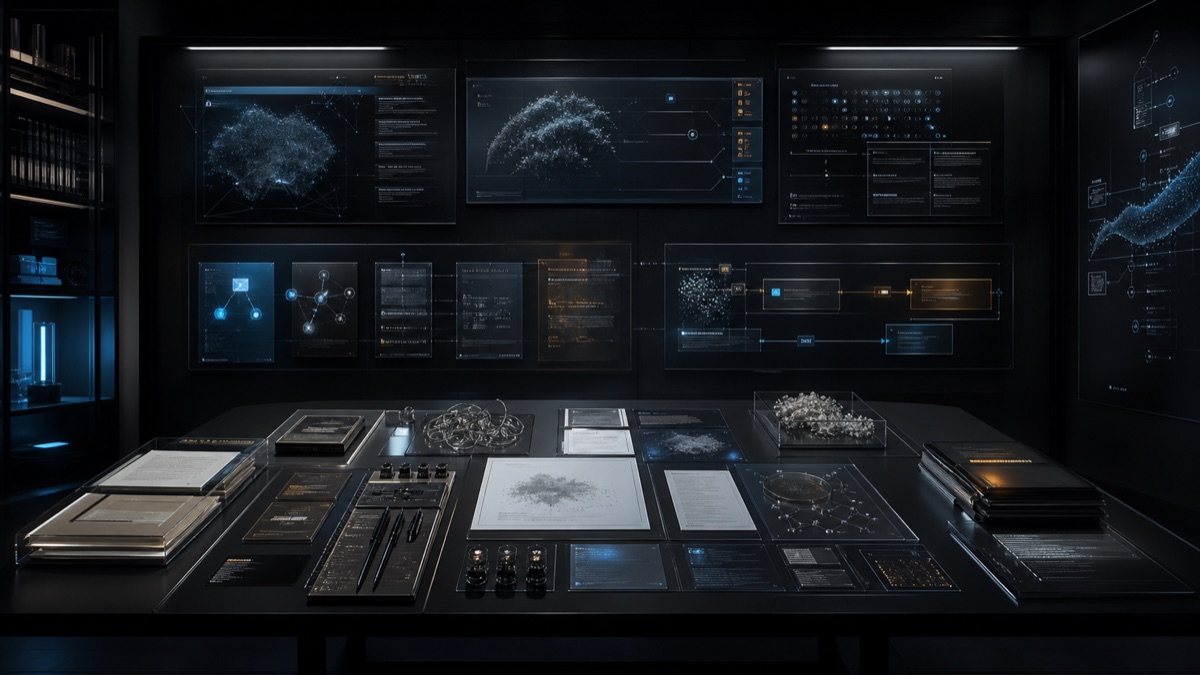
Sponsor Evidence Room
A serious sponsor should see the decision surface before a quote. The evidence room shows question fit, controls, negative-result handling, reproducibility burden, provenance, and the exact handoff path.
Fund the next run only when the first artifact makes the evidence burden, boundary, and next question clear.
Access Paths
The redesigned page gives every visitor a clear path without pretending every visitor needs the same thing.
FAQ
No. The imagery is editorial orientation. The page describes a research operating model and explicitly separates concepts, references, and claimed outcomes.
Comparable evidence needs comparable conditions. The same stack, controls, ledger, and review pattern make runs easier to repeat and challenge.
One bounded question and one run dossier. The first deliverable should decide whether to repeat, narrow, publish, commission more work, or stop.
WN Labs are the standardized environments behind the Grand Challenge. Every lab ships with the same six-layer operating stack: model roles, neuro-interfaces, quantum backends, metrology, reproducibility systems, and publication ledgers for testing how a white noise computer or quantum-computer pathway might be framed. Start with the protocol and readiness gates, then inspect the stack. Physics-first, instrumented, and explicit about what remains speculative.
Image provenance: GPT-generated W.N. Labs run-dossier console created on 2026-06-30 for editorial orientation. Prompt intent: show question, protocol, controls, run, finding, negative-result, reproduce, handoff, provenance, and next-question panels under review. Asset: assets/labs/wn-labs-run-dossier-console-20260630.jpg. Review the provenance record. Usage boundary: not proof of a live internal console, completed lab run, clinical system, audited telemetry, production data pipeline, or partner workflow.
The strongest AI and studio product sites lead with a visible work surface. W.N. Labs now frames every research route around the same object: a dossier that keeps the question, protocol, controls, result state, provenance, negative-result lane, and next action on one screen.
One falsifiable question, one threshold, and one reason the six-layer bench is needed.
Baselines, stop rules, privacy boundaries, and what would make the interpretation fail.
Source/provenance, prompt or method intent, review state, and a boundary note travel with the artifact.
The output becomes a finding brief, a repeat run, a Custom R&D scope, or a partner review note.
Use the dossier as the first meeting object: less persuasion, more inspection.
Serious research and product experiences make the system legible before they ask for belief. WN Labs makes the same bargain: a thesis enters as a claim, earns a protocol, produces an artifact, and only then routes into funding, membership, or commissioned work.
A claim cannot enter the lab as mythology. It needs one measurable question, one threshold, and one known failure mode.
Baselines, null results, provenance, safety boundaries, and stop rules are specified before any result can become persuasive.
The output is a reusable artifact: method, data boundary, limitation, plain-language brief, and the next question it unlocks.
Visitors can inspect the bench first, then choose the Grand Challenge, Custom R&D, Club Syndicates, or a partner conversation.
World-class creative technology sites make the product moment visible before conversion. W.N. Labs applies that standard to commissioned research: a sponsor should see the bounded question, controls, negative-result lane, reproducibility packet, provenance trail, and route decision before a quote becomes persuasive.
The request is narrowed to a testable unit with a named owner, success threshold, and failure condition.
The room separates strategy language from claims that need instrumented proof, repeatability, or safety review.
The first artifact decides whether to scope Custom R&D, run a repeat, prepare a partner note, or stop.
Image provenance: GPT-generated W.N. Labs sponsor evidence-room concept created on 2026-07-01 for editorial orientation. Asset: assets/labs/wn-labs-sponsor-evidence-room-20260701.jpg. Usage boundary: not proof of a live sponsor workflow, completed lab run, clinical system, audited telemetry, investment process, or production data pipeline.
WN Labs does more than list tools. It shows the operating cadence: what qualifies for the bench, what controls guard the run, what evidence gets published, and where a sponsor or participant should go next.
Every run begins as a falsifiable brief: one claim, one success threshold, one reason the six-layer stack is the right bench.
Methods name baselines, null results, human-safety boundaries, and what would make the program stop or narrow.
AI, quantum backends, BCI inputs, and metrology move in one measured cadence, not as disconnected demos.
The useful output is the reproducible artifact: protocol, result, limitation, next question, and plain-language brief.
The first useful lab inquiry should preserve one experiment, one decision, and one boundary. WN Labs now carries that context into either the Custom R&D quote path or a structured partnership review brief.
World-class research and product sites make progress visible before conversion. WN Labs applies that pattern to frontier speculation: every lane turns a large claim into a smaller artifact a reader, sponsor, or crew can inspect.
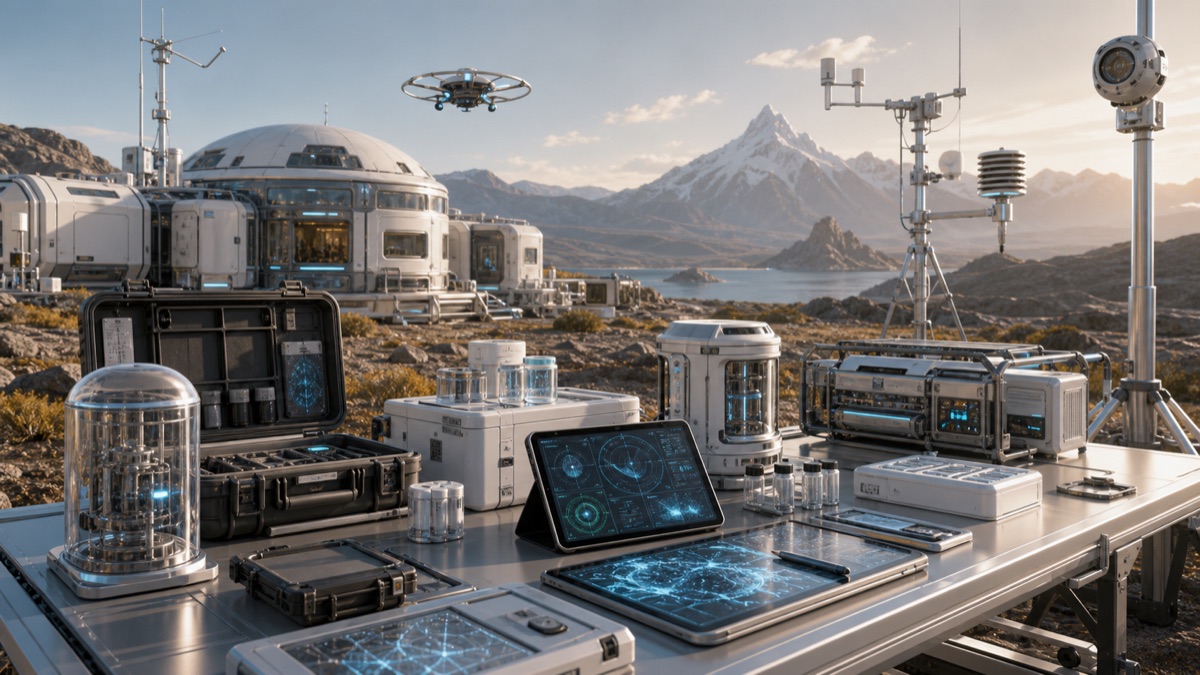
Large ideas enter as smaller testable questions with a threshold, a first failure mode, and a reason the WN Lab stack is the right bench.
Review readiness ->
The limits office names what the evidence does not allow yet, so a finding can move forward without inflating into a product claim.
Read the limits office ->
Methods, controls, inconclusive runs, and negative results stay attached to the claim so another crew can repeat or narrow the work.
Follow one loop ->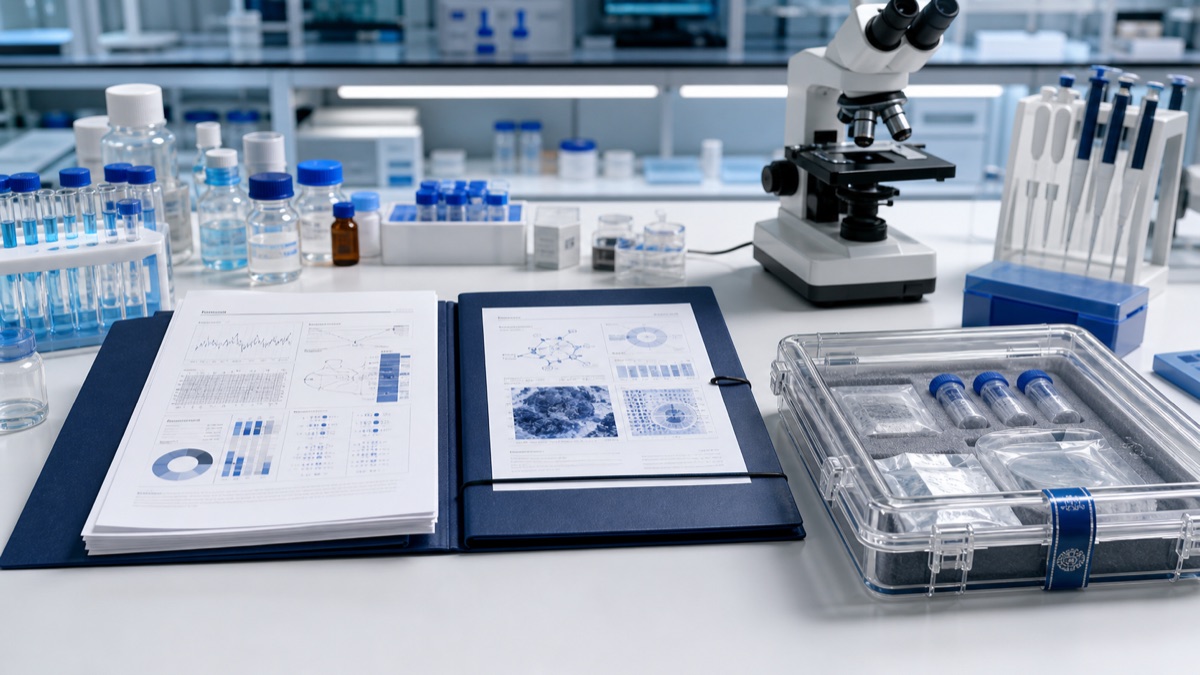
The final artifact explains what was tested, what changed, what remains open, and whether the next step is public learning, Custom R&D, or partner review.
Open decision packet ->WN Labs makes the book's hardest promise visible: speculation has to become hypotheses, instruments, repeatable runs, and a ledger of what did and did not work.
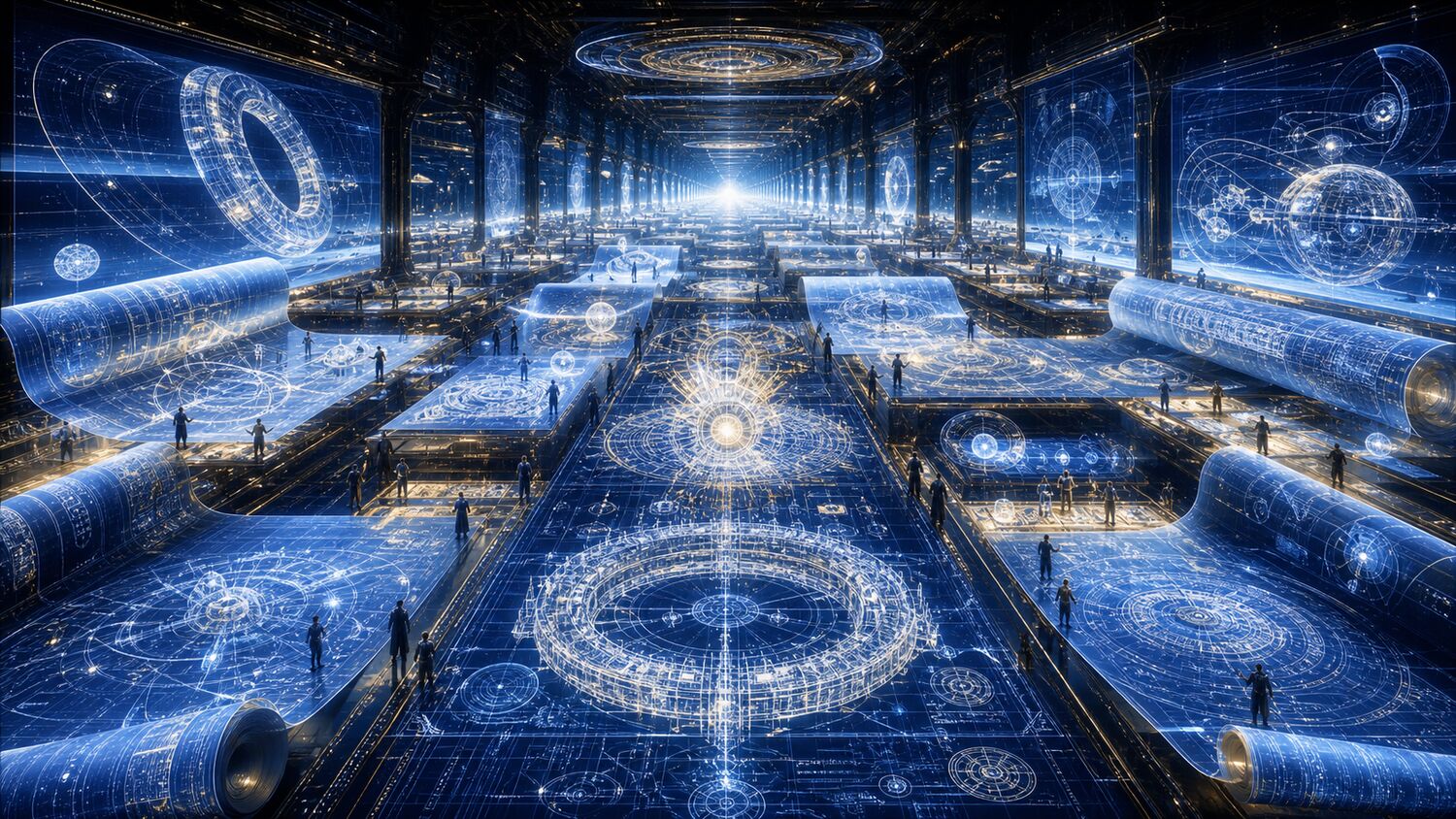
Before a thesis becomes doctrine, the lab asks what would count as evidence.
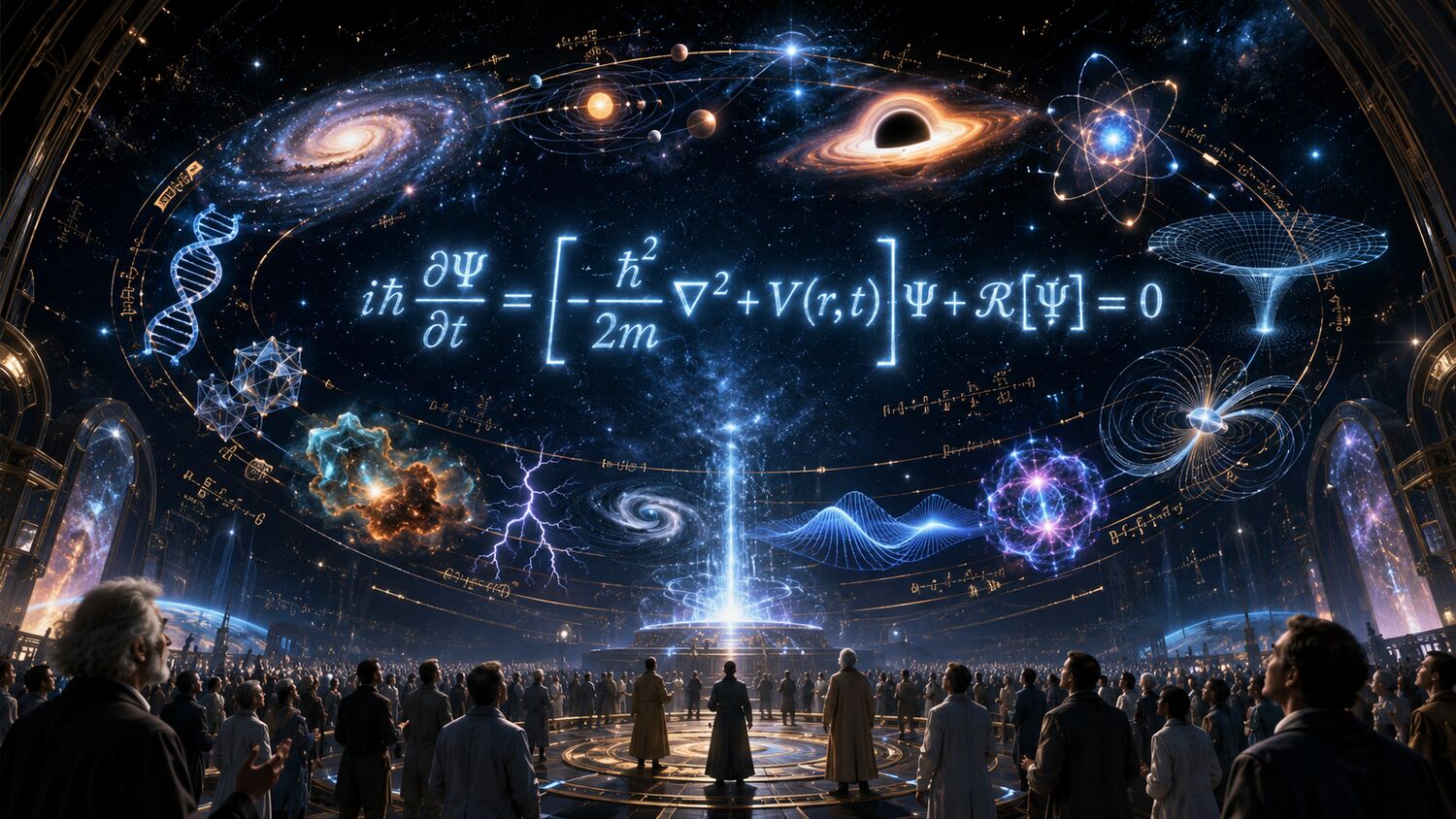
The stack keeps the imaginative claim tied to a reproducible model.
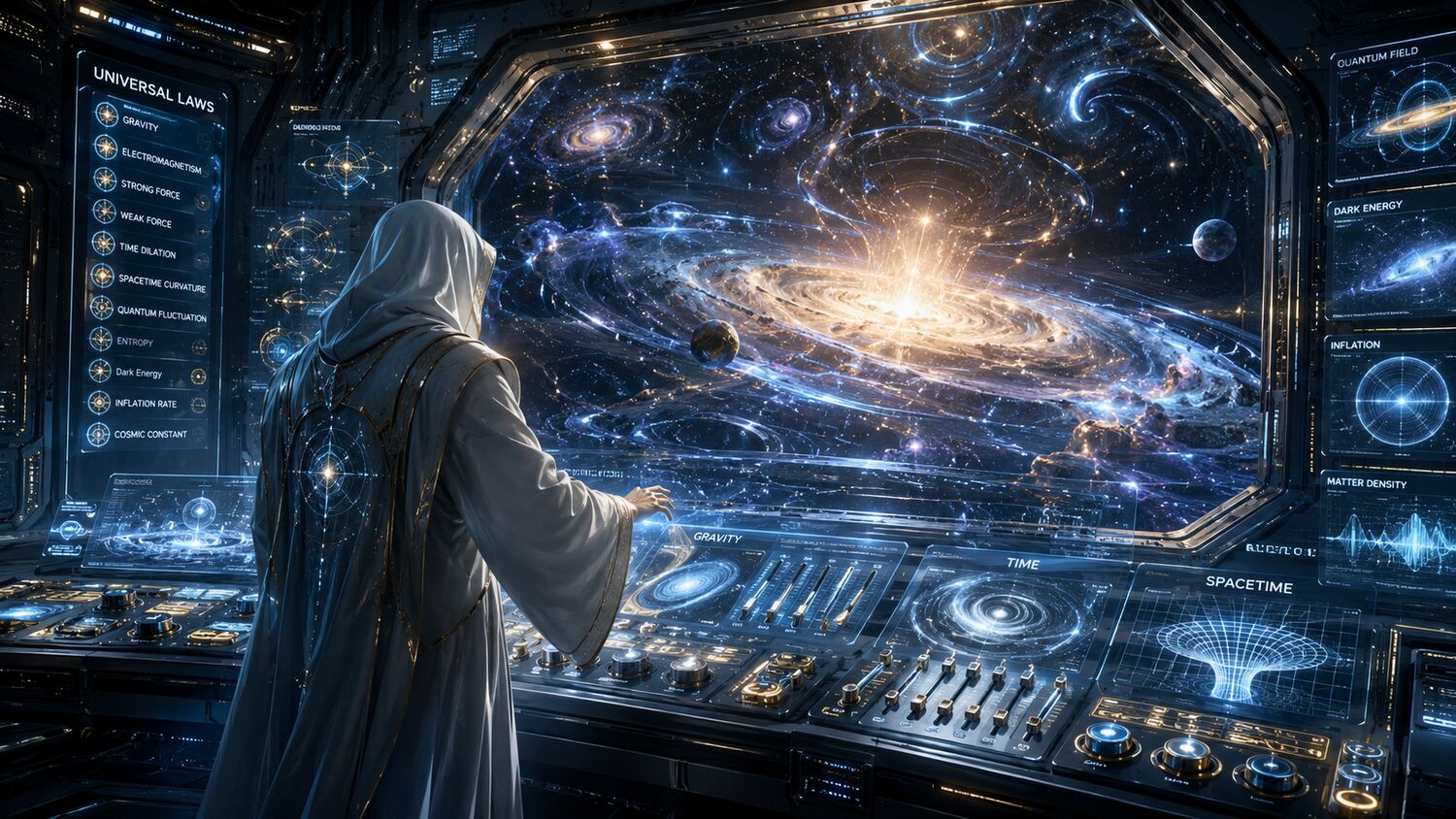
Each pass through the lab narrows the next question.

The Grand Challenge depends on visible work, not private mythology.
A reproducible stack for white-noise / quantum-computer research — from quantum SDKs and hardware backends to AI, neuro-interfaces, and physical metrology. Every WN Lab is provisioned identically so results compare across participants. Its flagship objective: using the BCI and AI layers together to reverse-engineer remote-viewing activity — the first pathway White Noise Totality proposes toward the White Noise Computer.
The lab specifies durable capabilities rather than brittle vendor claims. Each role can be filled by current frontier, open-weight, domain, or private models as availability changes, while the protocol stays stable.
Invasive, minimally invasive, and non-invasive BCIs for closing the loop between human researchers and the lab — recording intent, augmenting cognition, and steering experiments by thought.
The stack lists the layers; this is how a single experiment travels through all six and back to the start. Closing this loop at machine speed is the whole bet — each pass turns a question into instrumented, reproducible evidence, then hands the next question back to the AI ensemble.
A frontier thesis or a commissioned Custom R&D question is framed precisely enough to run — what would count as evidence, and against which scale (Ω or Kardashev) the answer is measured.
The 20-role model ensemble generates candidate hypotheses, designs runs, and writes the code — narrowing a vast search space to the experiments worth executing.
Jobs queue to quantum SDKs and hardware backends (with HPC for classical work), emulating entanglement-native processing on today's machines while the W.N. Chip is pursued.
The BCI layer records researcher intent and steers experiments by thought — the same neuro-interface pathway WN Labs uses to reverse-engineer remote-viewing activity.
Sensing & metrology — entangled-photon sources, NV-center magnetometers, atom interferometers, optical clocks — separate a real, measurable effect from noise, and detecting from making.
Methods, data, and a plain-language brief commit to the open results ledger so anyone can reproduce the run — and what was learned becomes the starting point the AI ensemble reasons from on the next pass.
An idealized pass — real programs branch, repeat, and stall at the hard parts. Because every WN Lab is provisioned identically, a loop run by one participant compares directly with the next. White Noise Inc. is a creative venture and these methods are illustrative.
The first pathway White Noise Totality proposes toward the White Noise Computer is to study the brain itself. The idea: record neural activity while trained subjects attempt remote viewing (RV), then turn the lab's brain–computer interfaces and AI models on that data to reverse-engineer the information-processing it implies — and feed what is learned back into the design of the computer itself. The six stack layers above are provisioned to run exactly this loop.
The 20 BCIs capture real-time neural activity from viewers mid-session at high spatial and temporal resolution. Where bandwidth runs out, the book proposes neurological nanobots — injectable sensors that record individual neurons and circuits directly.
Live neurofeedback lets subjects steer their own cognitive state from real-time neural metrics, stabilizing the conditions under which any candidate RV signal is most likely to appear.
The 20 model roles act as the analytical engine. Pattern-recognition, statistical, retrieval, and review systems hunt for high-dimensional relationships in the neural data while the protocol critic keeps interpretation conservative.
Where AI provides inference, the quantum backends provide models. Quantum machine learning simulates high-dimensional, entangled informational states and probes the neural data for parallel-state structures — testing the book's hypothesis of the brain as a filter, receiver, or emulator of an entangled informational field.
To move from correlation to cause, neurological nanobots selectively stimulate, inhibit, or modulate the oscillations of targeted circuits — isolating which networks actually drive RV and stress-testing each hypothesis about its neural correlates.
Acquisition, training, AI, quantum modeling, and probing form a closed-loop cognitive engine. Each cycle sharpens the protocols, the models, and — in the book's framing — the operating principles for the White Noise Computer itself.
This pathway is a speculative research program drawn from White Noise Totality. Remote viewing is scientifically contested and not an established phenomenon; the loop above describes how the WN Lab stack would investigate it, not a claimed result. Neurological nanobots are a theoretical concept, not an existing device.
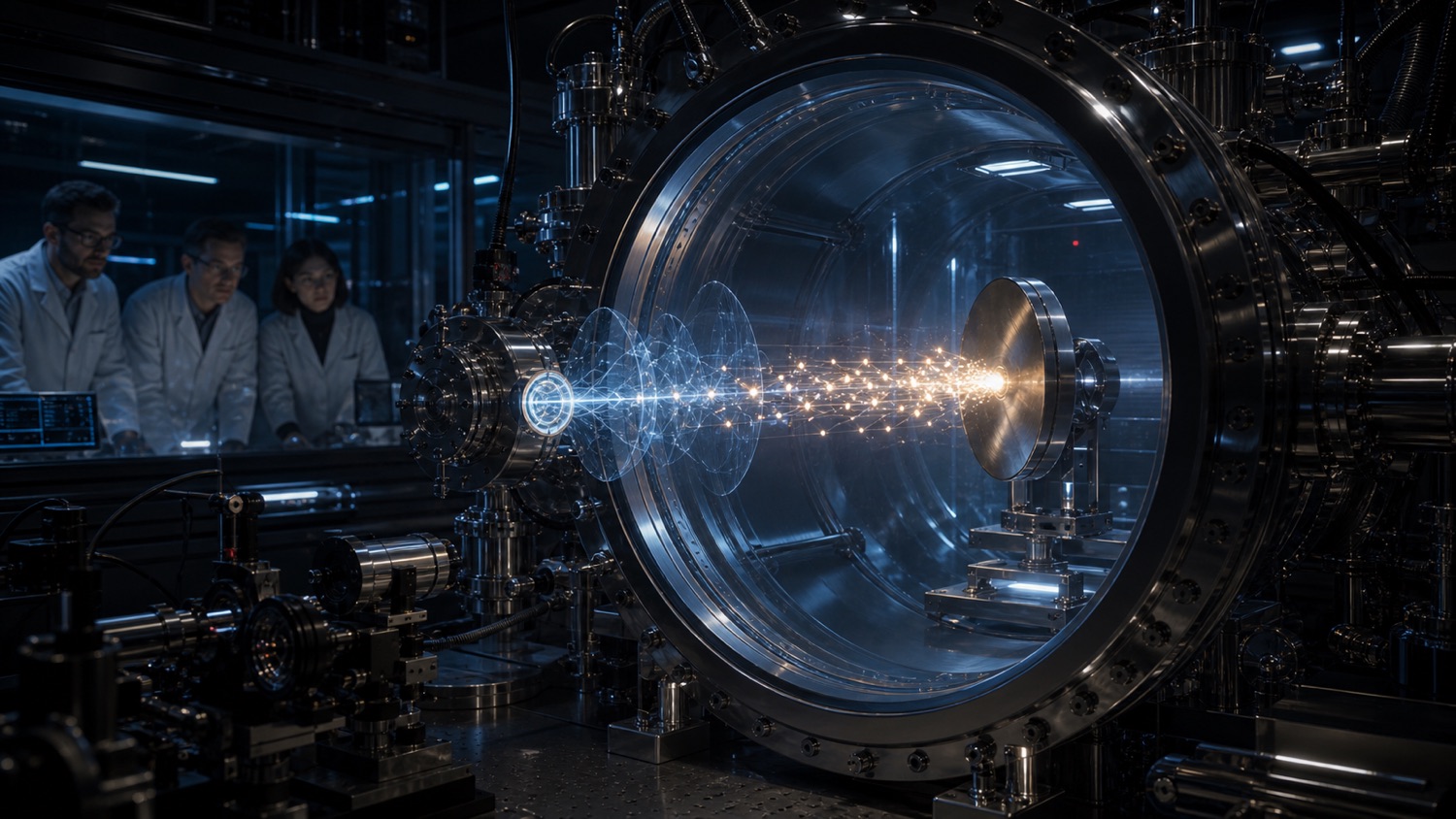
The hypothesis WN Labs exists to test: an entanglement-native "white noise computer," orchestrating quantum hardware, frontier AI, and replicator/nanobot actuation, could collapse what looks like centuries of progress into a few years — by closing the research loop at machine speed. A physics-first program, instrumented end to end, with no reliance on remote viewing.
Build toward a computer that processes information through omnipresent entanglement — first emulated on today's quantum backends, then on the W.N. Chip.
Use that core to model and address progressively deeper layers — molecular, atomic, subatomic, Planck — pursuing microdimensional mastery.
Apply the same orchestration to energy and self-replicating construction — Dyson swarms and OSTSS — driving the climb toward a Type III civilization.
The two Grand Challenge aspects share one engine: deeper inward mastery (Ω−) and broader outward reach (Type III) are both gated by the same leap in computation. WN Labs standardizes the bench so that leap can be pursued, measured, and reproduced by anyone.
The thesis pulls in two directions at once — deeper inward, broader outward — and the open results ledger checks every finding against the matching scale. These are the two yardsticks named throughout the lab: one measures reach outward across energy and space, the other mastery inward across the layers of matter.
The Kardashev scale ranks reach by the energy a civilization can harness: Type I commands the full output of its planet, Type II a whole star (a Dyson swarm), Type III an entire galaxy. WN Labs' outward target is the climb toward Type III through Dyson swarms and OSTSS self-replicating construction.
The Omega scale runs the other way — mastery of progressively deeper layers of reality: molecular, atomic, subatomic, down toward the Planck scale. Omega-minus (Ω−) is the speculative limit of this microdimensional mastery — addressing matter and information at the finest grain the book imagines.
A scoped question enters the closed loop framed precisely enough to answer one thing: did this run move the needle inward (Ω), outward (Kardashev), or neither? Sharing one set of axes is what lets a frontier thesis and a commissioned engagement be compared on the same honest scoreboard.
The Kardashev scale is an established idea in astrophysics; the Omega / Omega-minus scale and "microdimensional mastery" are speculative theses from White Noise Totality, used here as framing yardsticks rather than established science.
A Club Syndicate Custom R&D engagement isn't a different lab — it's this one. When you commission research, White Noise provisions an identical WN Lab, points the same six-layer stack at your question, and logs every run to the open results ledger so the findings are reproducible by anyone.
The 20-role model ensemble, 20 BCIs, and quantum backends described above are provisioned for your engagement — no reduced-capability tier. The bench you read about is the bench your research runs on.
Every experiment logs to the same open results ledger, so a commissioned finding is checked against the Ω and Kardashev scales exactly like any other WN Labs run — methods bundled so others can reproduce it.
The closed research loop is steered at your scoped question instead of a frontier thesis. Results, methods, and a plain-language brief hand back to you; breakthroughs can return royalties to the syndicate that funded them.
When an engagement closes, the assembled WN Lab and its logged runs don't vanish. A follow-on Custom R&D engagement restarts from what was already provisioned and learned, so the next program begins where the last one ended instead of from zero.
Custom R&D is part of the Club Syndicate tier and is scoped and quoted per project; the Academy and Library are separate Member-tier benefits. White Noise Inc. is a creative venture and engagements are illustrative, scoped research programs.
Open a lab pre-loaded with all six stack layers — identical to every other WN Lab.
Drive experiments with model roles and BCIs; queue jobs to quantum backends and HPC.
Log everything to the open results ledger so findings can be checked against the Ω and Kardashev scales.
The honest answers to what people ask first about the standardized labs — who runs in them, why they're identical, and what is real versus speculative.
Two routes share the same bench: Grand Challenge crews who take on frontier theses, and members who commission Custom R&D on a scoped question through the Club Syndicate tier. Both get an identically provisioned WN Lab — no reduced-capability tier.
Because a result only means something if someone else can repeat it. Every WN Lab ships the same six-layer stack — model roles, BCIs, quantum backends, metrology — so a run by one participant compares directly with the next, and the open results ledger stays apples-to-apples.
The quantum frameworks, BCI products, and platform categories named in the stack are third-party references; the model layer is expressed as configurable roles that can be filled by current systems. The "white noise computer," Omega-minus / microdimensional mastery, and the few-years timeline are speculative theses from White Noise Totality, not established science.
No. Remote viewing is scientifically contested and not an established phenomenon. The flagship pathway describes how the BCI and AI layers would investigate it — a speculative research program from the book — not a claimed result. Neurological nanobots are a theoretical concept, not an existing device.
Methods, data, and a plain-language brief commit to the open results ledger so anyone can reproduce the run — positive, negative, or inconclusive. Findings are checked against the Ω and Kardashev scales, and recognized milestones enter the White Noise Library.
Take on a frontier thesis by joining the Grand Challenge or forming a research syndicate — or point the bench at your own question by commissioning Custom R&D, scoped and quoted per project before anything starts.
Grand visions are easy to draw. Labs earn trust by exposing the stubborn details: wiring, signal quality, energy budgets, controls, calibration, and the gap between detecting an effect and creating one.
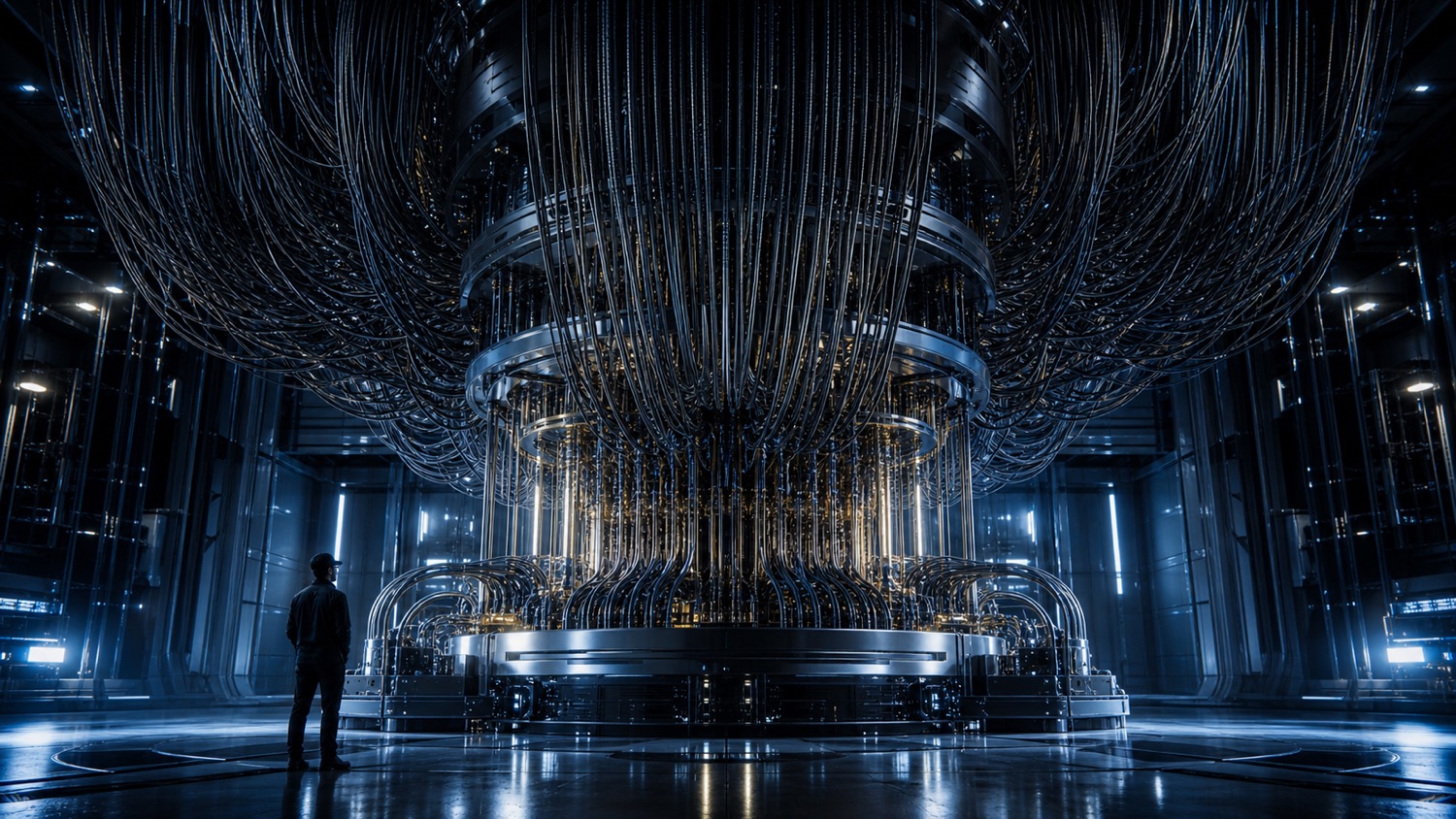
Scale is often defeated by the cables before the qubits.
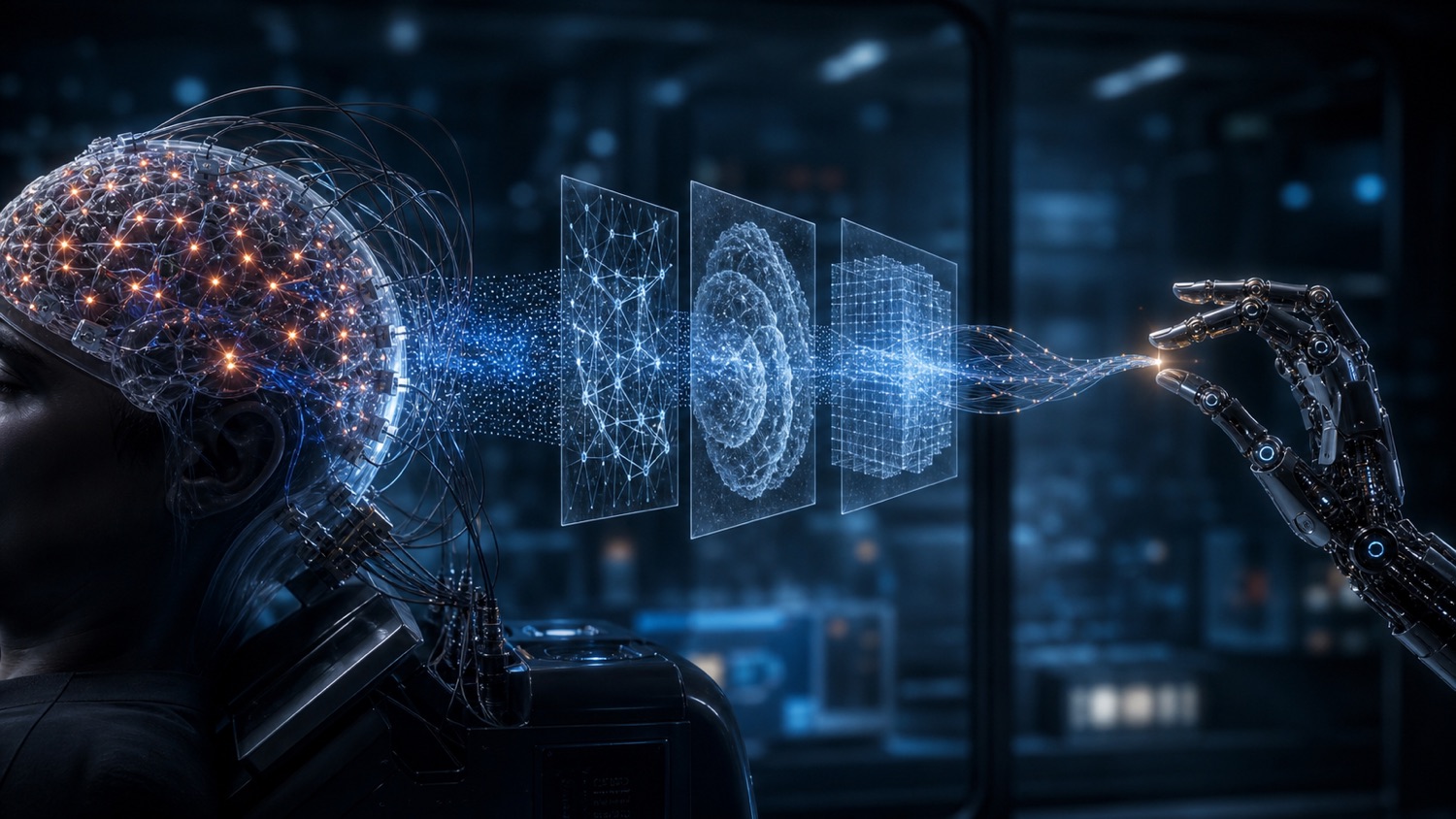
Recording activity is not the same as understanding intent.
Small measurable effects come before civilization-scale claims.
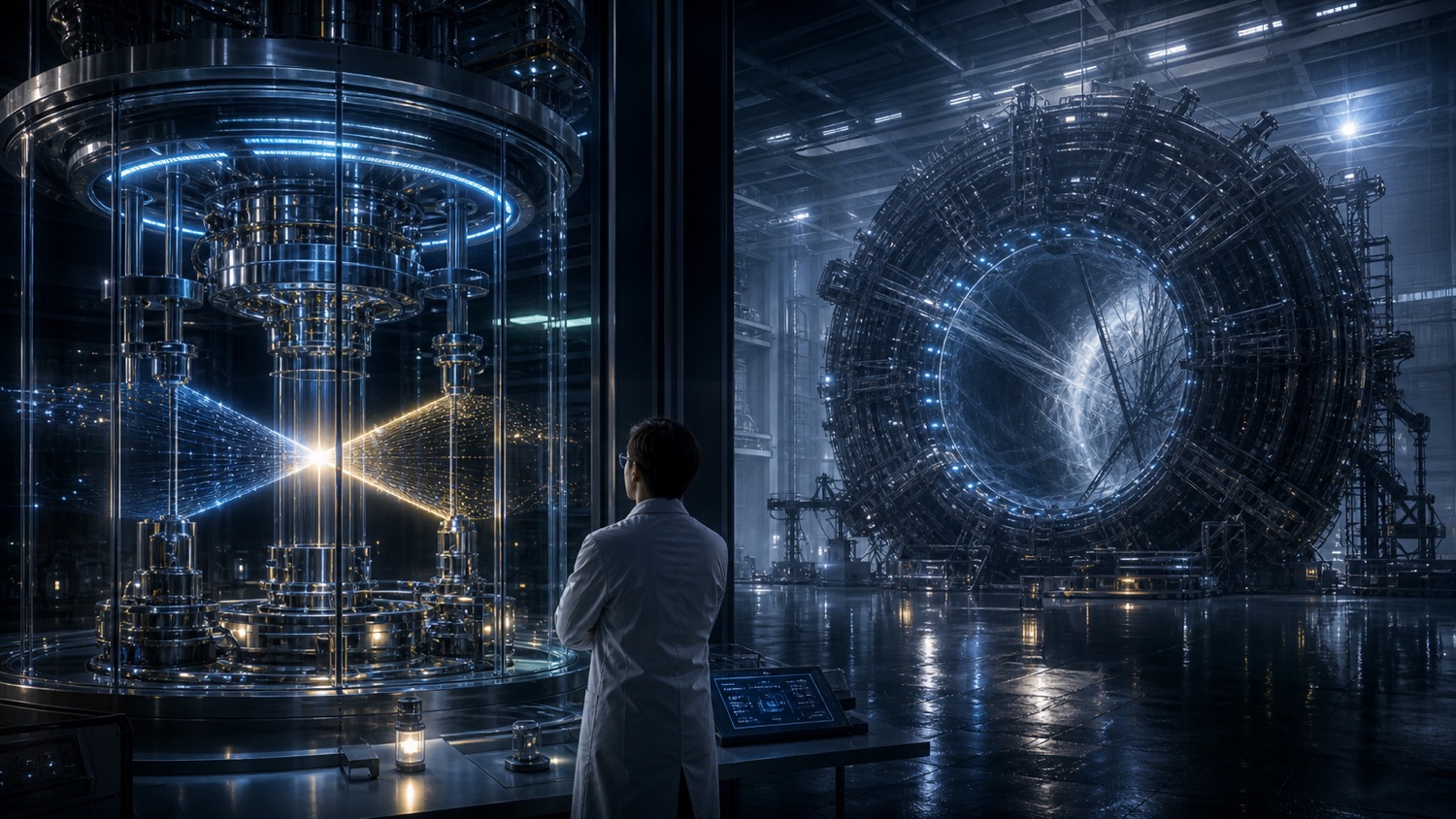
Sensitivity and actuation are entirely different engineering problems.
The visual bench makes every research claim easier to locate in the six-layer stack.
Review the stack →