Source and product intent
Name the product, ship, vehicle, verse, or material output before any factory language appears. The first artifact is a written scope, not a production claim.
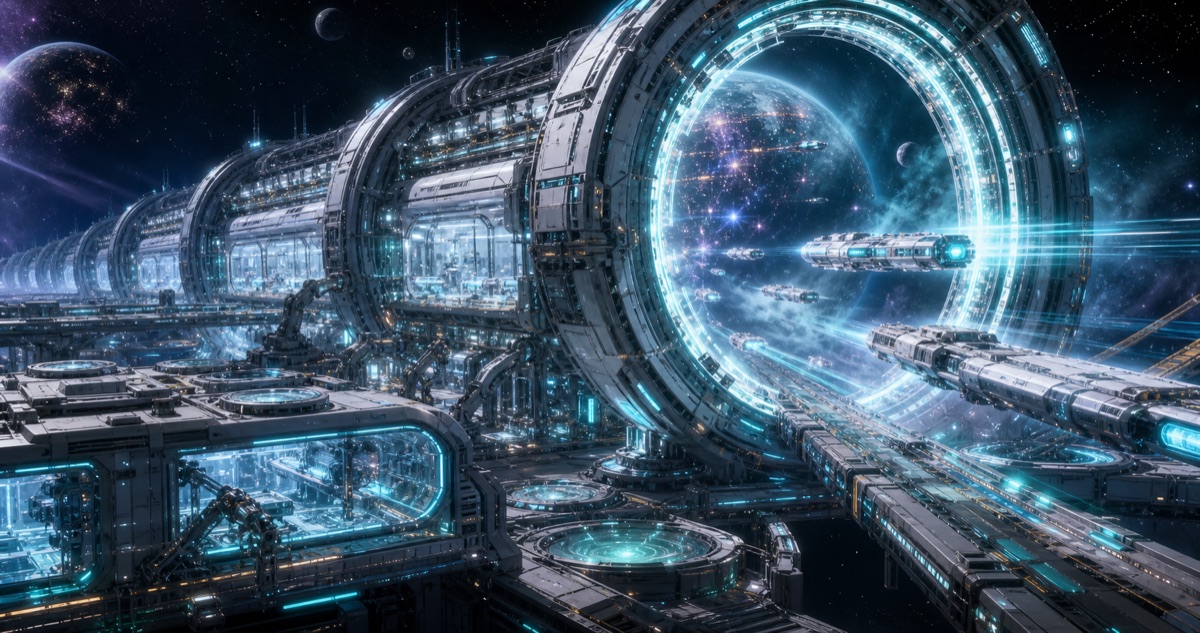
WN Superfactories are the White Noise industrial layer for engineering verses, spaceships, vehicles, supercars, and every WN product concept through White Noise Computers, White Noise Replicators, WN Supernanobots, and stargate deployment.
The previous version of this route was acting like a thin gateway. This page restores the actual Superfactories surface: what the factory concept is for, how it connects to products and operations, and where serious interest should go next.
The page still keeps the claim posture conservative. It describes a White Noise industrial thesis and the first evidence or planning artifacts that would make the thesis easier to evaluate.
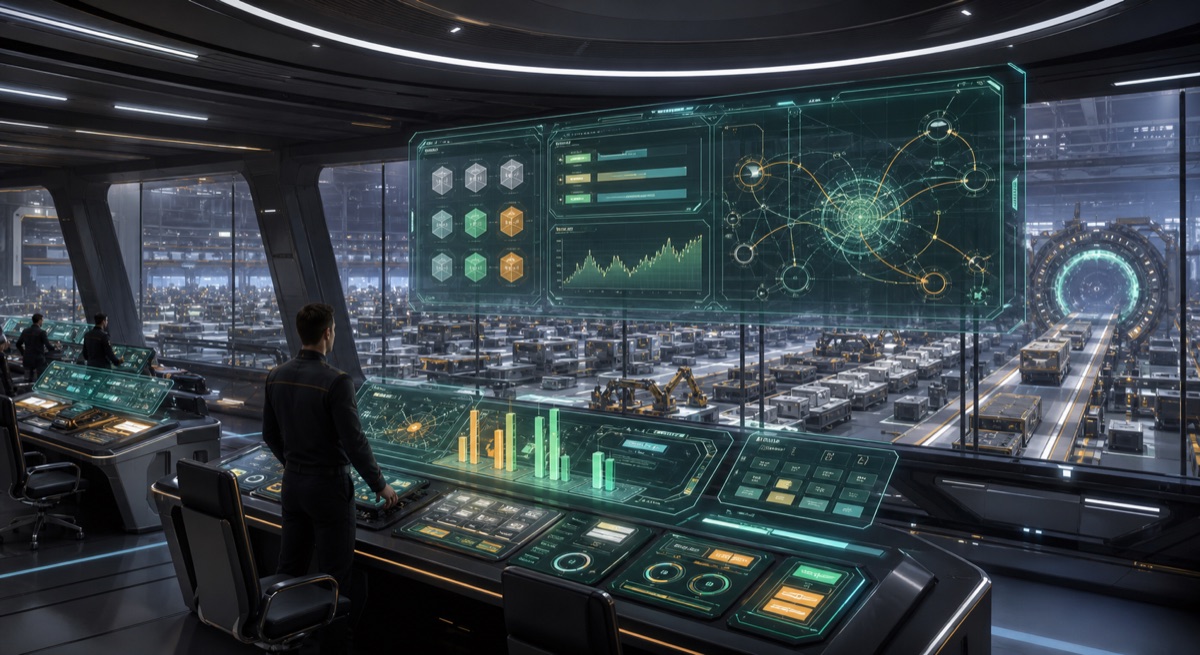
The Superfactory idea carries the heaviest industrial language on the site, so the page now says what a responsible first proof path would need: scope, custody, human authority, and evidence cadence.
Name the product, ship, vehicle, verse, or material output before any factory language appears. The first artifact is a written scope, not a production claim.
Show feedstock, energy, compute, data, labor, maintenance, safety, and local impact assumptions before capacity or automation is described.
Autonomous factories need review rights, pause buttons, override logs, acceptance tests, and named owners for failure modes.
The page can show concept art, routes, and planning logic now. Stronger claims wait for source records, tests, or customer-permissioned proof.
These are the specific Superfactory systems already represented in the asset set. They anchor the page in the actual factory subject instead of sending visitors into unrelated rooms.
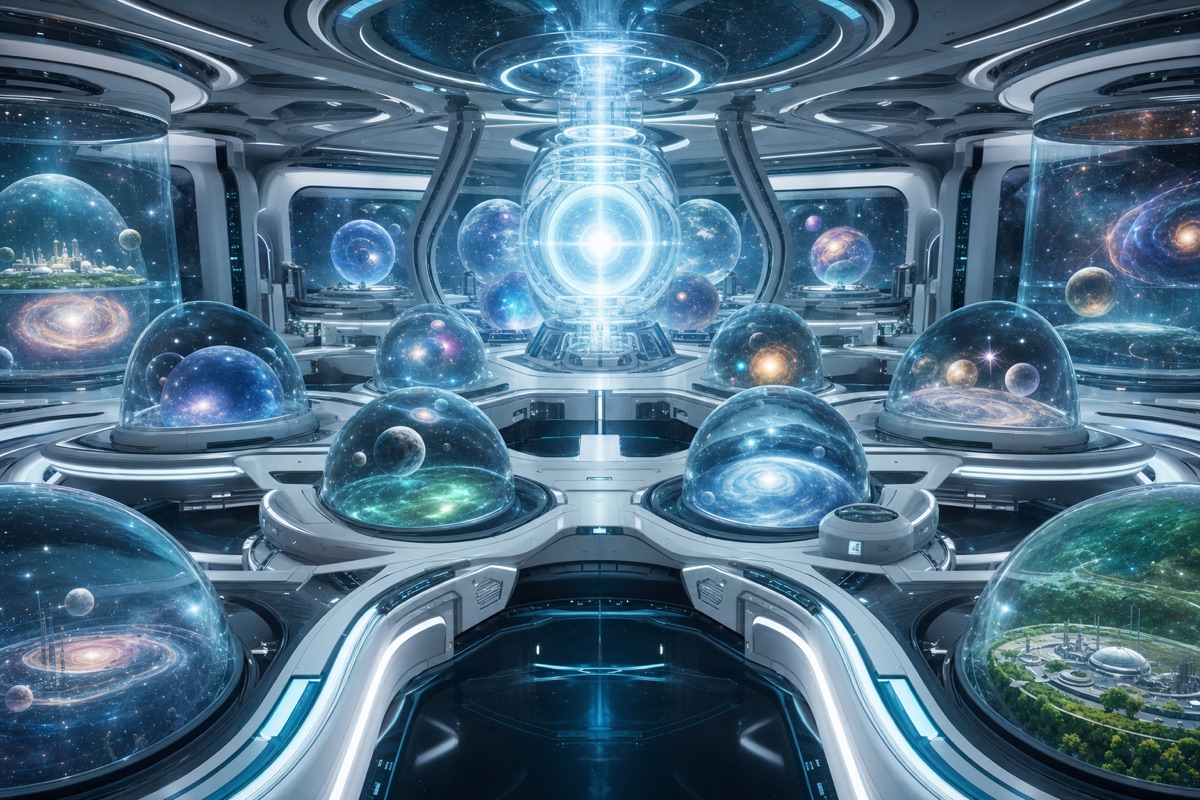
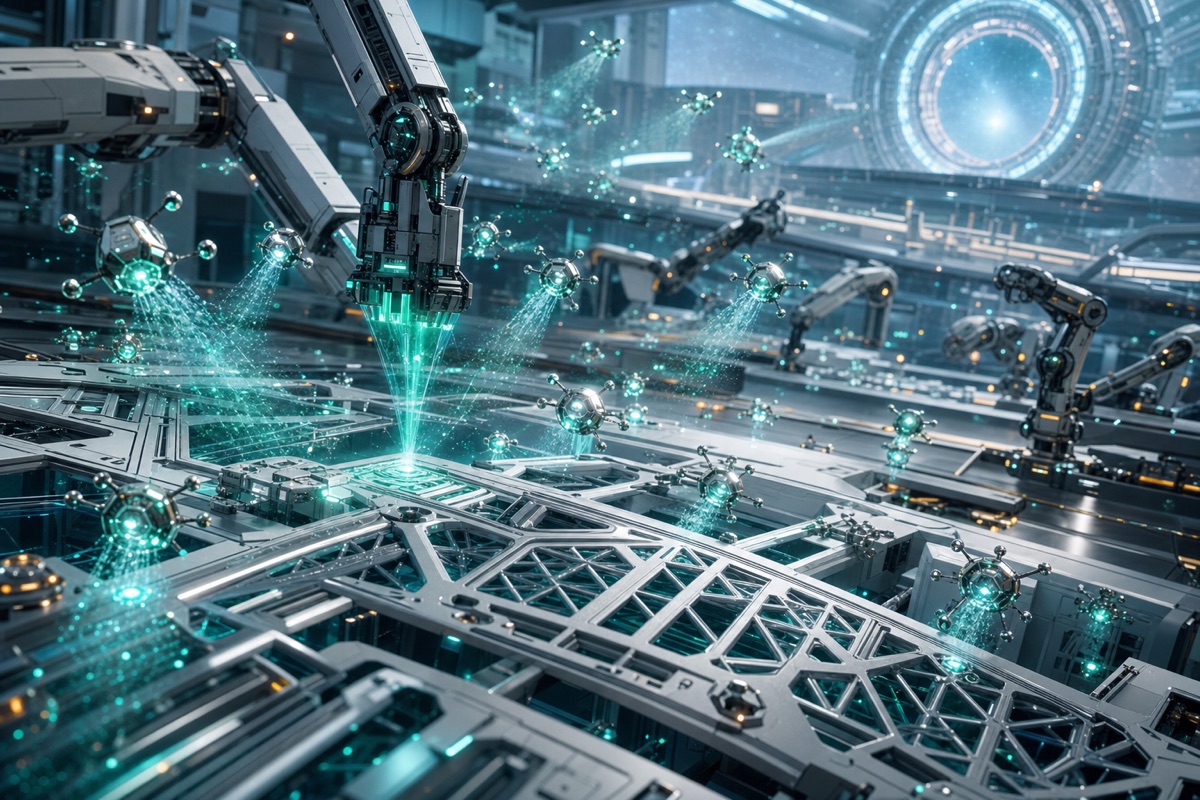
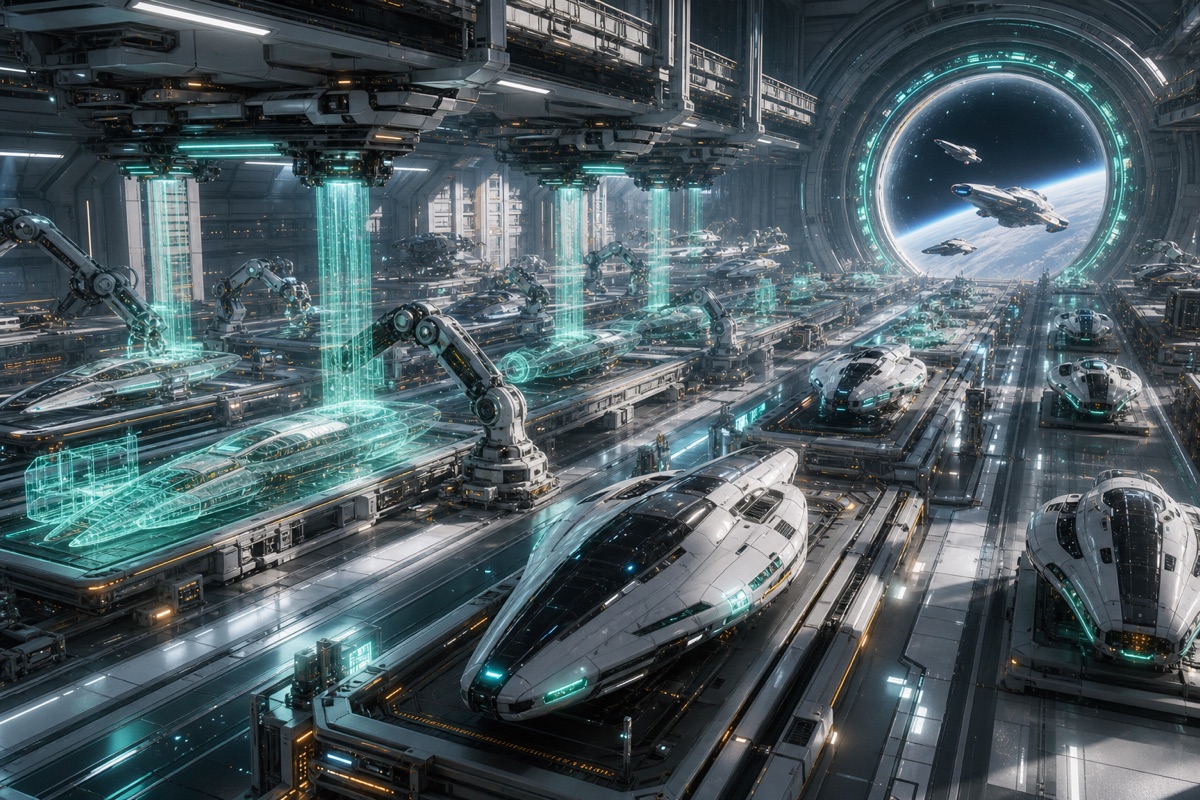
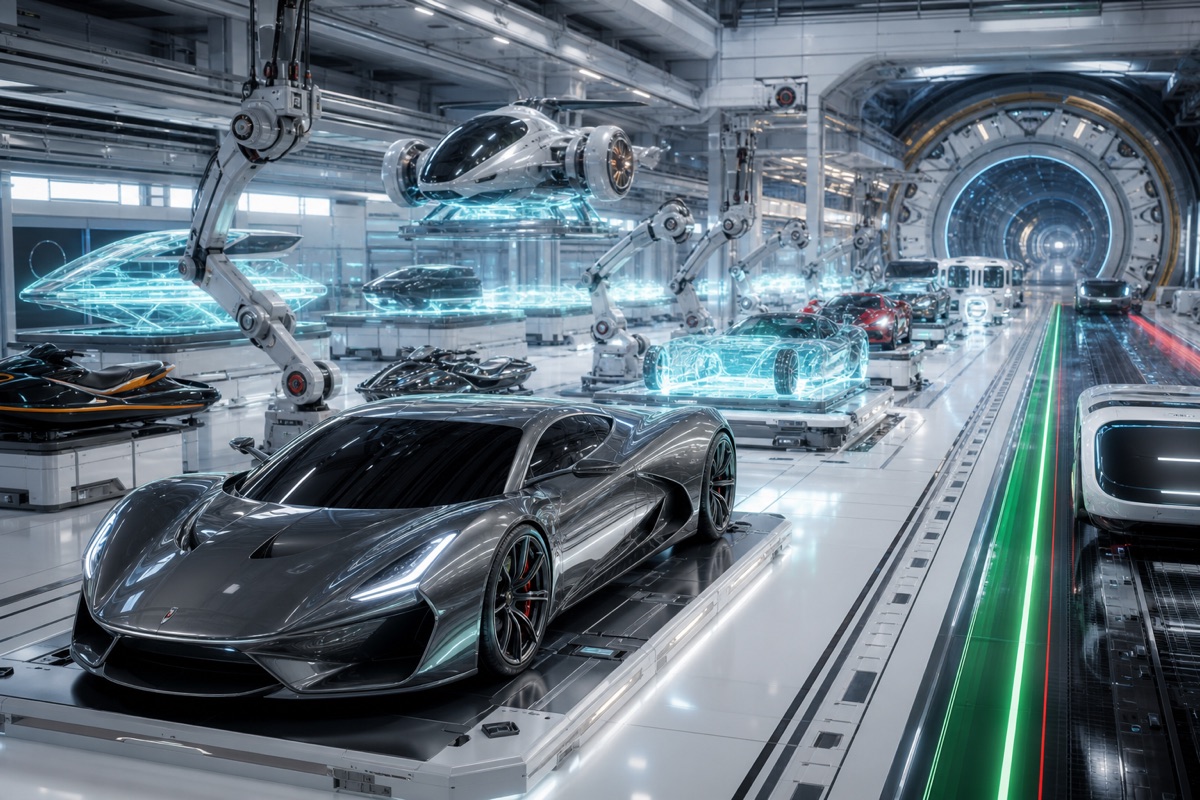
Image provenance: this page uses the local Superfactory visual set in assets/wn-superfactories/ and its published provenance file, wn-superfactory-visuals-20260628.provenance.json. The images are conceptual/editorial assets, not operational evidence.
The cleanest first move is not promising a factory. It is naming the intended output, the proof burden, the smallest testable subsystem, and the owner who decides whether the work moves forward.
Product, vehicle, spaceship, verse, replicator bay, or operations queue. The page routes each lane to a concrete next room.
Separate book-scale ambition from live site surfaces, concept art, demos, and research questions.
Commission a feasibility memo, safety case, benchmark plan, visual dossier, or operating protocol.
Use a Trust Center, CMS route, or lab protocol before any warmer capability language is added.
Use the scoped route when the question is real but unresolved: what should be made, what can be tested first, what proof is missing, and what should not be claimed yet.