Define the object
The Library supplies the fully specified pattern; the Replicator page explains why fabrication becomes an information problem in the White Noise thesis.
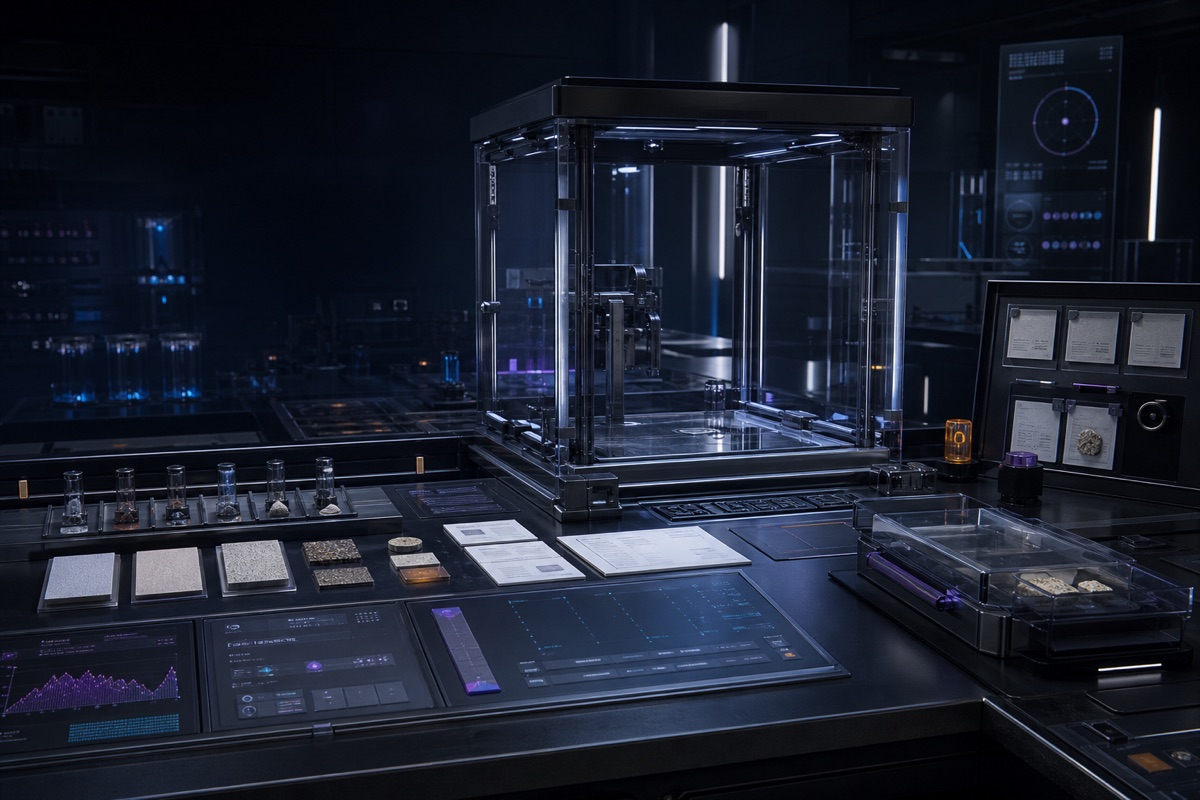
A speculative fabrication system conceived around matter synthesis from frontier physics assumptions. This page keeps the leap visible: it describes an extreme research thesis in programmable material synthesis rather than a proven machine with validated zero-point hardware.
Ask first for the materials benchmark, energy ledger, safety boundary, or adjacent simulation path. Use Exchange only after you know which artifact you are actually reviewing and why it matters.
Image provenance: GPT-generated Replicator fabrication-readiness workbench created on 2026-06-28 for White Noise product positioning. Prompt intent: depict a sealed concept chamber, material samples, provenance receipts, error-budget panels, energy accounting, and quarantine tray. Asset: assets/replicator/wn-replicator-fabrication-readiness-workbench-20260628.jpg. Review the provenance record. Usage boundary: editorial orientation only, not proof of live hardware, validated matter synthesis, a staffed lab, or commercial manufacturing capability.
This page earns trust when it shortens the distance between speculative language and a concrete next review. Use the route below that matches the job in front of you.
The fastest way to lose a serious buyer is to send them from an extreme fabrication thesis straight into collectible or story surfaces. The credible order is proof boundary, adjacent evidence, bounded scope, then optional dossier review.
Move from vacuum-to-matter rhetoric into materials simulation, energy accounting, measurement, and fabrication-adjacent science.
Best artifact: evidence map and research adjacency Review science map → Scope workUse the page as a front door to a bounded materials, energy, safety, or manufacturing brief before anyone talks about funded lab work.
Best artifact: written R&D scope and budget band Scope fabrication brief → Dossier reviewExchange is useful after the review objective is clear and the dossier is being used as a governed artifact, not a substitute for proof.
Best artifact: curated dossier with review context Review Exchange dossier →
The Replicator should feel visionary without pretending to be a shipping machine. Start with the practical interpretive loop: what exists today, what remains speculative, which adjacent tests are researchable, and where a visitor can act next.
The Library supplies the fully specified pattern; the Replicator page explains why fabrication becomes an information problem in the White Noise thesis.
Additive manufacturing, self-replication theory, and energy accounting are the useful footholds. Direct vacuum-to-matter synthesis stays visibly speculative.
Near-term work belongs around materials simulation, provenance, closed-loop fabrication, safety controls, and the economics of local production.
Readers can inspect the science map, scope a lab brief, mint the dossier, or compare the Replicator with the rest of the product architecture.
In the book, fabrication is not a factory problem. It is a translation problem: resolve a design from the Library, use the Computer to verify the structure, then condense the result into matter with no extraction layer in between.
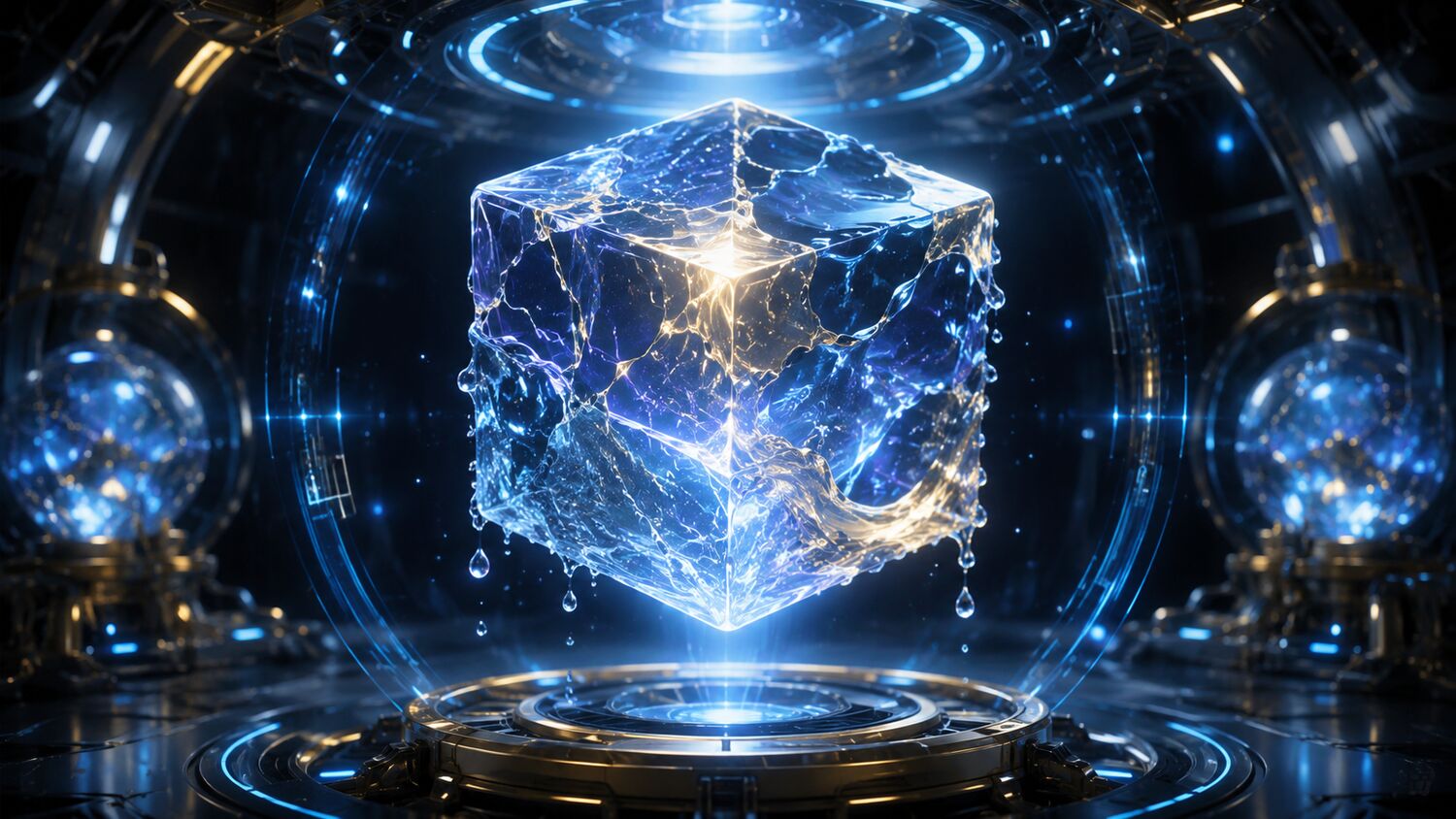
The book imagines a machine that can translate energy, pattern, and verification into stable matter. The public page keeps the harder truth visible: mass-energy accounting still rules, usable vacuum energy remains an open scientific question, and every practical bridge has to start with adjacent fabrication, simulation, and measurement work.
The useful near-term promise is not instant abundance. It is a disciplined research frame for source patterns, material passports, error budgets, feedstock custody, energy cost, and recall rights.
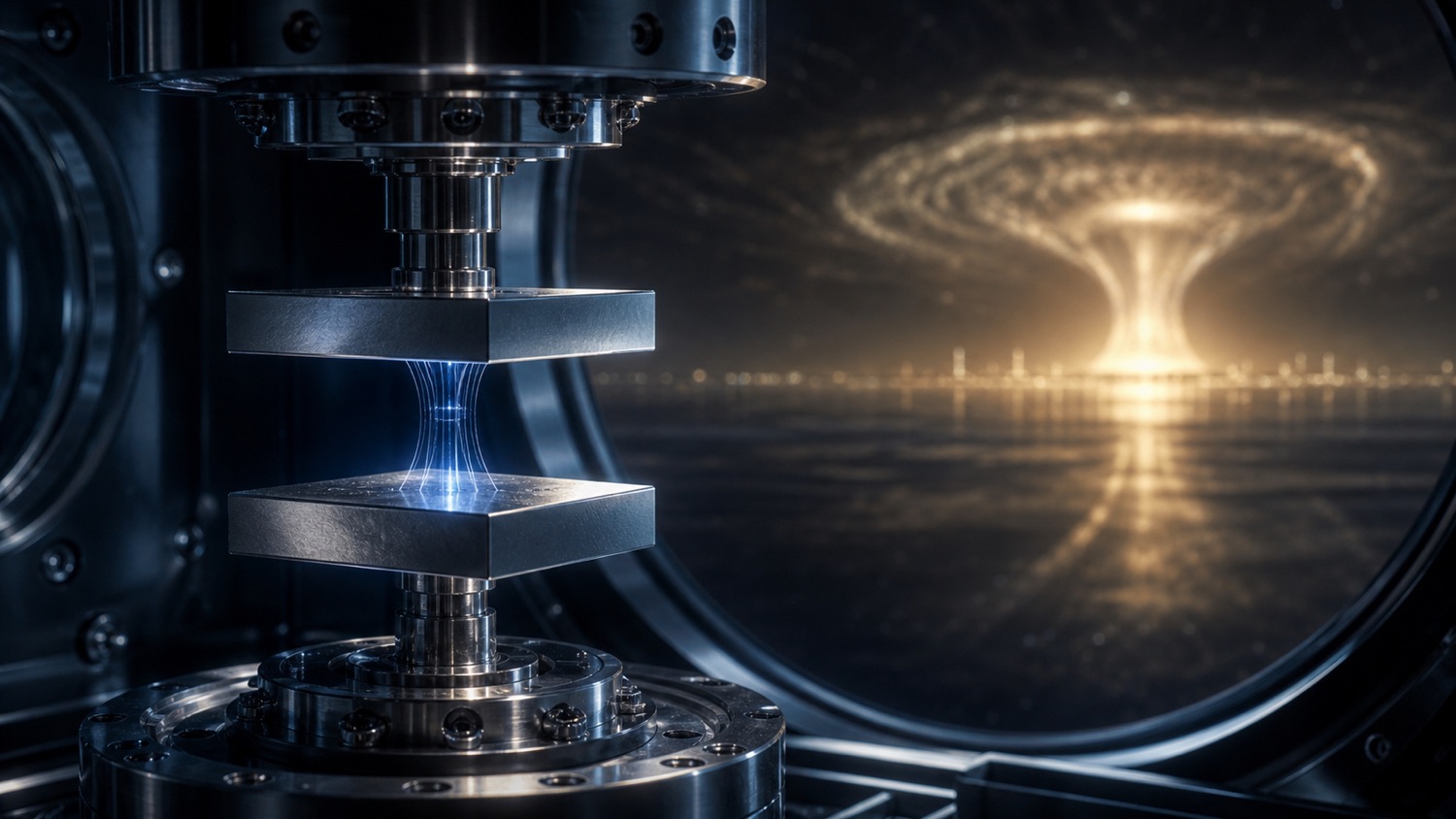
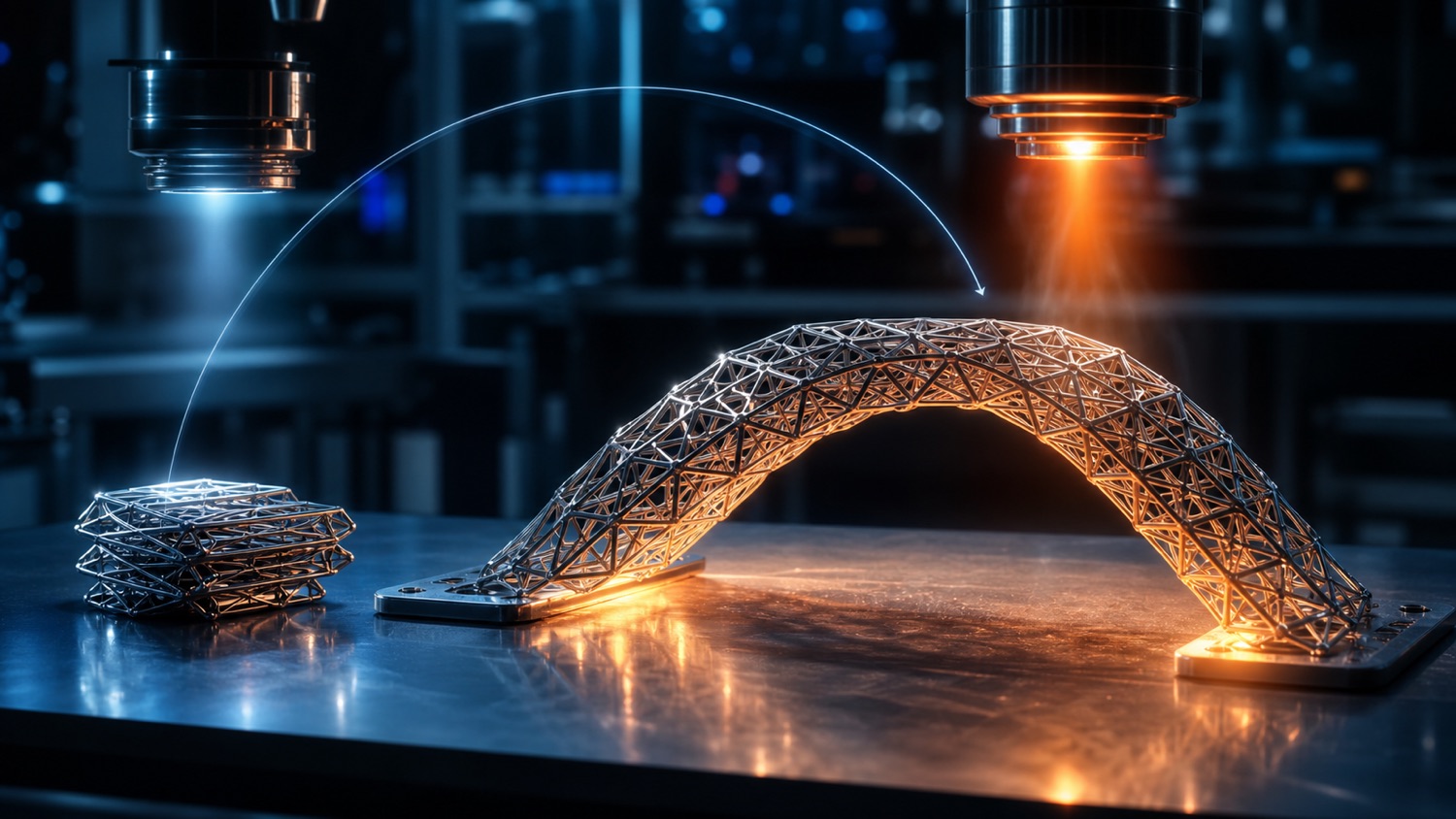
In the White Noise thesis, synthesis depends on a Computer capable of resolving structure and energy placement at extreme precision. On the current site, that becomes a research ladder: materials simulation, closed-loop fabrication, metrology, destructive tests, and public error budgets.
The Library and Computer remain the canon model for a future system; today's credible work is the proof trail that would be required before any object could be trusted.
Extraction, logistics, and waste are pressure points worth redesigning even before the far-future thesis is possible. Treating matter like software gives the page a useful lens: every output needs a source pattern, a build route, a cost model, and a recovery plan.
Scarcity does not disappear because a page says so. It becomes a set of constraints the research program can name, test, reduce, or refuse.

Three properties that turn fabrication from an industry into a function call.
The credible first target is local, traceable production with fewer handoffs and clearer custody.
Every precision claim needs instrumentation, tolerances, failures, and independent review.
Matter-as-software only matters if energy, ecology, repair, and recall stay part of the object.
World-class frontier sites make the wonder inspectable before the ask. For the Replicator, that means every imagined output carries provenance, error budgets, environmental accounting, and a recall path before it becomes a product claim.
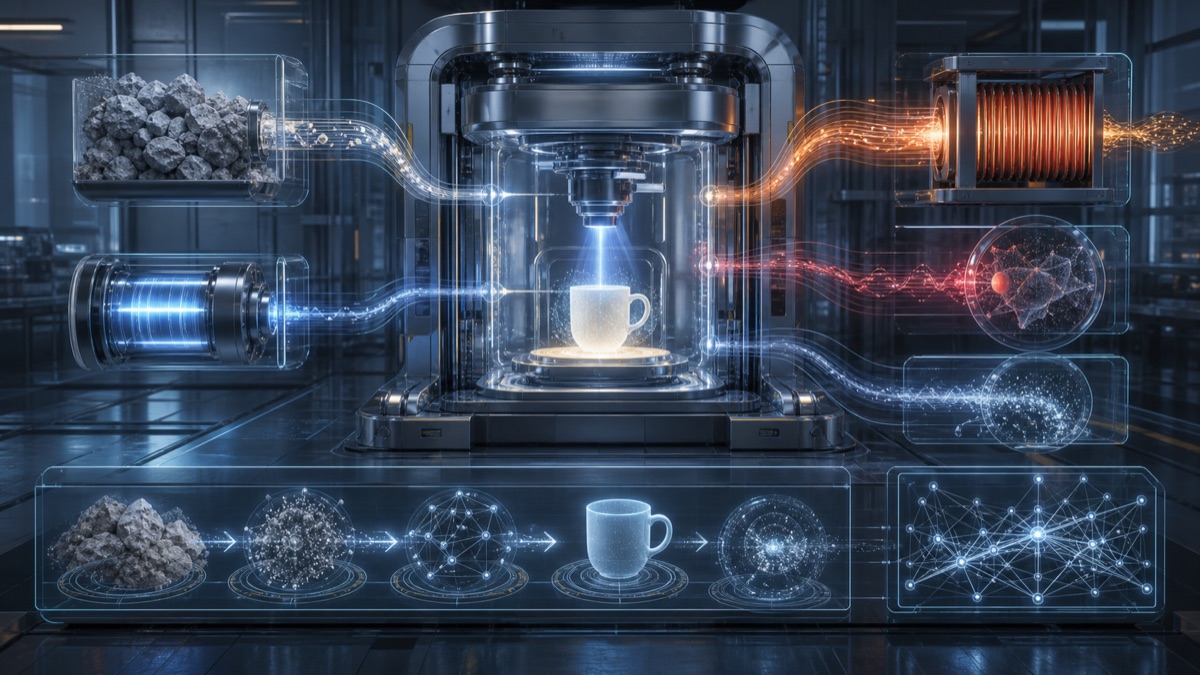
The source pattern, generation path, custody chain, and permission state are recorded before a generated object can be treated as more than concept art.
Claim readiness ->Perfect matter is not assumed. The ledger names tolerances, failed routes, destructive tests, and the first scale where a compilation path breaks.
Evidence protocol ->Local production still has heat, energy, feedstock, maintenance, and disposal consequences. The receipt makes the environmental burden inspectable.
Science map ->If an output fails, its provenance should make repair, quarantine, withdrawal, and public correction possible instead of hiding behind novelty.
Terms route ->The flagship machines are easiest to understand through the editorial work that surrounds them — wonder beside constraint, ambition beside the physics that disciplines it.
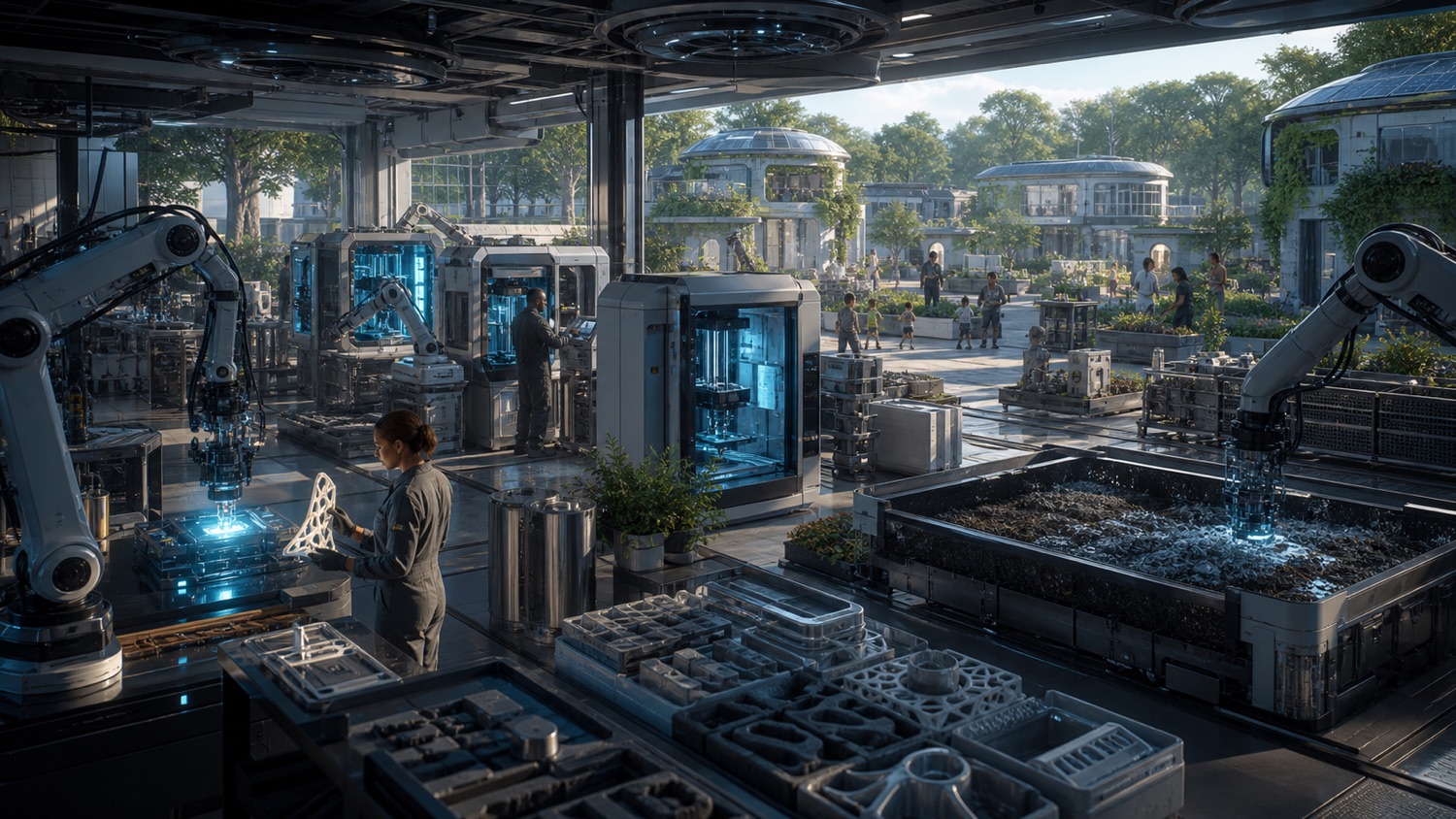
What production looks like when logistics disappears.
The real physics between vacuum energy and useful matter.
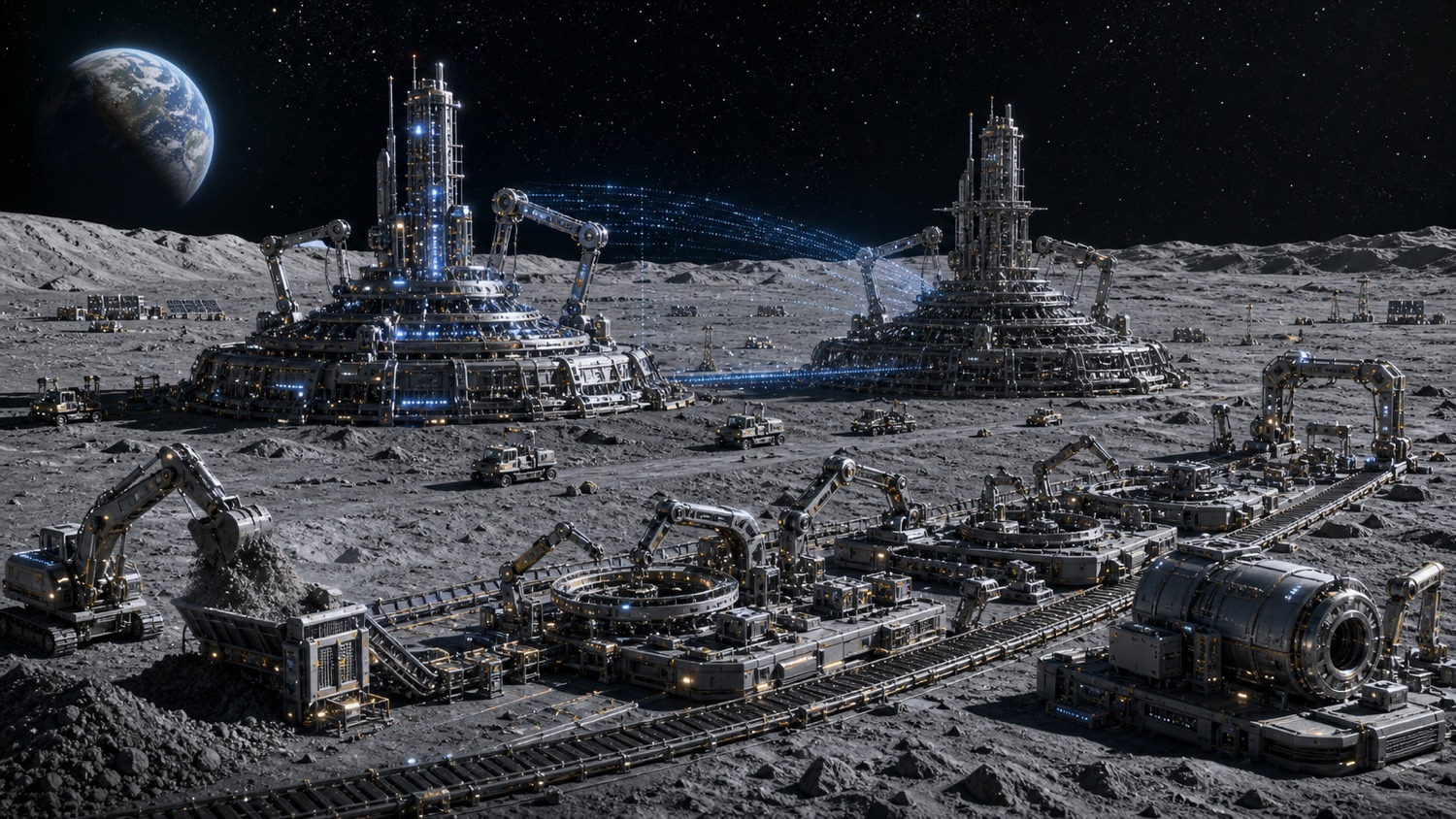
How fabrication capacity compounds without limit.
When the necessities of life are computed, not extracted.
From the Casimir effect to the cornucopia — the essays behind vacuum fabrication.
Read the editorial work →Each flagship is one organ of a single body. Explore the others, or see all fourteen products together.
Compiling stable matter from the vacuum is the boldest claim in the catalog. Here is the honest line between what is real today and what is still a thesis from the book.
No. The White Noise Replicator is a speculative thesis from White Noise Totality, not a machine you can run right now. We explore the idea openly — it is a credible direction, not a shipping product.
Additive manufacturing and the theory of self-replicating machines are established. Assembling stable matter directly from zero-point vacuum energy is the speculative leap — and we keep that line visible rather than blurring it.
Fair question. Energy and mass still have to balance — nothing here claims a free lunch. Whether usable energy can be drawn from the vacuum at all is genuinely contested, and we treat that as the open question it is, not a settled fact.
Mint the Replicator dossier on the Exchange, read the essays behind it in the magazine, or learn the underlying ideas in WN Academy.
The Library maps what could exist; the Computer narrows the infinite to the one buildable answer; the Replicator makes it real. It is one organ of a single body — see all fourteen products.
Because it is rich enough to learn from, create around, and pursue — wonder set beside the physics that disciplines it. That is what the whole ecosystem is for.
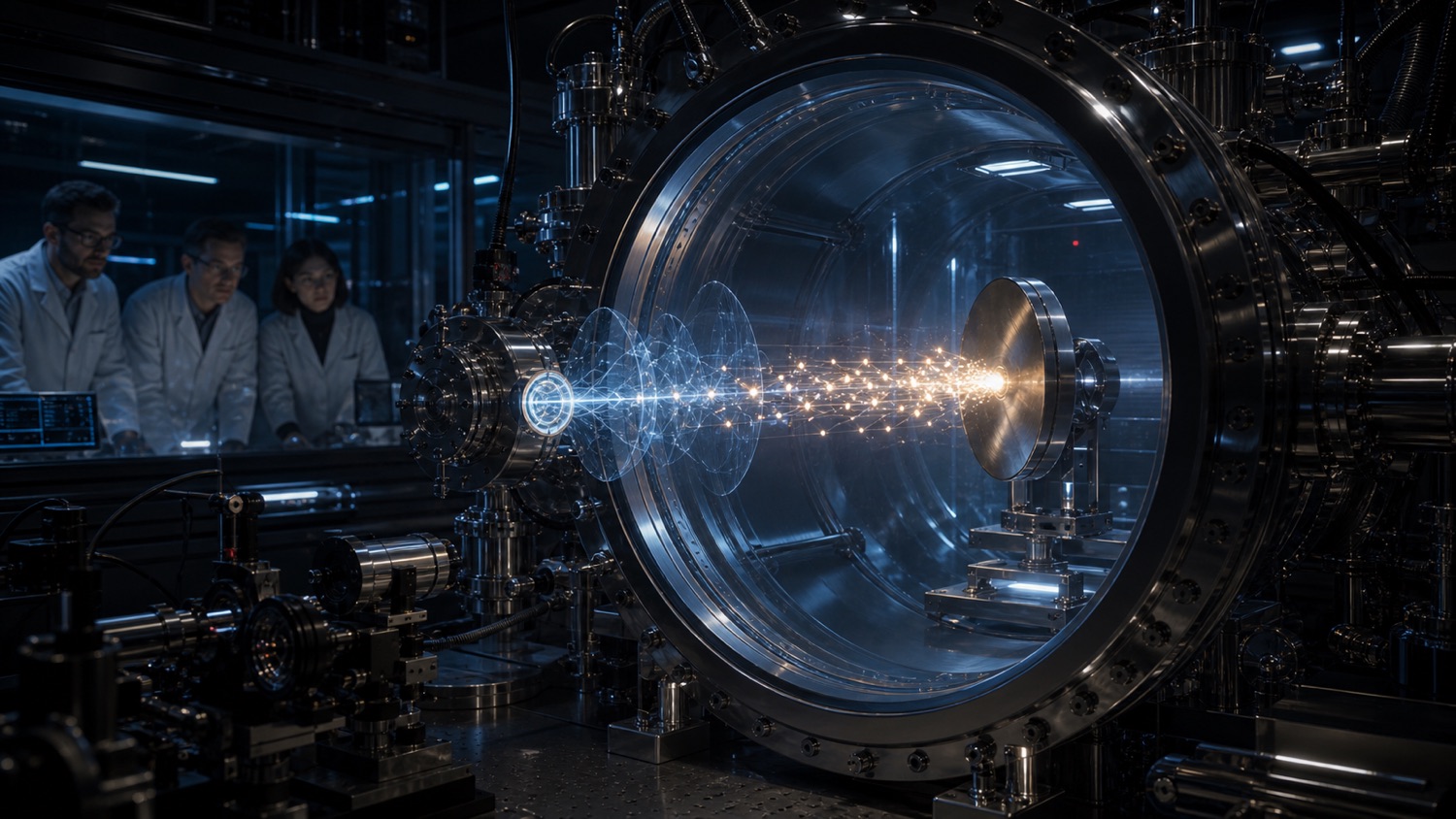
The useful commercial move is not to buy into miracle-manufacturing language. It is to name the first bounded artifact, review the evidence boundary, and scope the next research packet with explicit spend discipline.