Turn one serious inquiry into a routed first-note receipt.
Use this page to choose the right desk, attach the right boundary, generate a local fallback packet when needed, and send one bounded ask that can return a real artifact instead of a vague handoff.
Route choice, explicit packet export, and the route-state readout are live on this page. Use them to send a bounded first note or decide that the safer next move is fallback instead of assuming a staffed inbox.
Reply expectation
When configured delivery is live, White Noise can attempt a best-effort routed first reply based on the current route state. Demo fallback should preserve a local receipt and point you to the safer next step instead of implying a staffed desk or guaranteed turnaround.
Privacy boundary
This public page is for first-pass routing only. Do not submit sensitive records that require a secure diligence room.
Not live yet
Do not infer a secure diligence room, staffed CRM, guaranteed turnaround, or shipped product capability from this contact surface alone. Consulting and Custom R&D still begin with scoped discussion or a written plan.
Operational statusChecking whether this page is routing into a configured inquiry path or draft-only fallback.
Use this readout before you assume a monitored inbox. The page will tell you whether this environment reports configured delivery, or whether the safest move is to treat it as a bounded draft and use the fallback path.
Checking route mode
Current modeRoute-state check in progress
Waiting for this environment to report whether configured inquiry delivery is available.
Safest next moveKeep the note bounded
Choose the route and first-return artifact now so the note is usable whether delivery is live or not.
Do not assumeNo staffed workflow implied yet
A route-state check is not proof of CRM maturity, response metrics, or a secure diligence process.
Fastest serious routePreload the right desk from the hero instead of hunting for the qualifier below.
High-intent visitors should be able to choose consulting, research, investor, or general company routing in one move, then land directly on a prefilled form with the first artifact and boundary already attached.
Conversion ruleChoose lane first, type second.
This is the shortest path from homepage traffic to a usable first note without weakening the trust boundary or implying live workflow maturity.
EnterpriseConsulting fit
Use this when the first useful reply is service fit, scope shape, pilot posture, or advisory clarity.
ResearchCustom R&D scope
Use this when the first useful reply is a methods path, benchmark plan, scoping memo, or budget band.
InvestorDiligence truth
Use this when the first useful reply is a capital note, evidence route, or current formal-process boundary.
GeneralCompany and trust route
Use this when the next step is orientation, the right public packet, or a route recommendation before narrowing the ask.
Inspect the right proof surface before you write the note.
The highest-value contact improvement is not another open text box. It is a short path to the exact artifact that resolves uncertainty: proof shape, materials freshness, privacy boundary, first-response standard, generated-image disclosure, or contact-routing evidence.
Contact ruleRead first when the blocker is clarity, not absence of a form.
If the right public artifact answers the question, use it. If not, the routed note below should ask for one named follow-up artifact instead of a broad introduction.
Proof
Start with the proof pack.
Use this when you need the public shape of real work, not a warmer description of capability.
Mobile quick startReach the routed form fast, then let the page preload the right lane for you.
Use the smallest route that matches the decision. The longer route maps and packet explainers stay available on larger screens, but mobile visitors should not have to scroll through four strategy blocks before they can act.
EnterprisePreload consulting
Use this when the first useful reply is service fit, scope shape, or delivery clarity.
ResearchPreload Custom R&D
Use this when the first useful reply is a scoped methods path, benchmark, or budget band.
InvestorPreload diligence
Use this when the question is current proof depth, materials availability, or formal-process truth.
GeneralPreload company route
Use this when you still need the right public packet, route recommendation, or trust surface first.
Choose the first return you need before you send the note.
The strongest contact-page upgrade is to stop making serious visitors infer the answer format. Pick the lane that matches the first useful reply, preload the route, then send one bounded note from the form below.
Return contractOne route, one artifact, one next step
If the right material is not ready, the expected reply is an explicit non-claim or route redirect, not a warmer promise.
Consulting
Need a decision-support reply.
Use this when the first useful answer is whether White Noise belongs in a strategy, advisory, or scoped services conversation.
First return: service-fit note, walkthrough, or route redirect.If the question is really a methods or benchmark problem, switch to Custom R&D instead.Custom R&D
Need a bounded research reply.
Use this when the first useful answer is a scoping artifact, benchmark path, budget band, or methods note.
First return: scoping memo, methods path, or explicit not-ready boundary.If the question is mostly institutional fit or sponsorship, use the company route first.Investor diligence
Need the current proof posture fast.
Use this when the first useful answer is a diligence artifact, claim-boundary note, or material-availability truth.
First return: capital note, evidence route, or formal-process boundary.If the question is operational fit for a paid project, use Consulting instead of warming the capital lane.General company
Need orientation before narrowing the ask.
Use this when the first useful answer is which public surface, trust artifact, or commercial route should be reviewed first.
First return: trust-surface walkthrough or route recommendation.If you already know the work belongs in consulting or R&D, skip this and preload the narrower lane.
Start here in 20 seconds
Pick the role that matches the real decision.
The highest-friction part of this page is choosing a route when the question is still vague. This qualifier turns that into one concrete recommendation, one expected first artifact, and one boundary to keep the note commercially useful.
Routing ruleOne route, one first ask
Choose the role that best matches the decision-maker on your side. The page will preload the strongest route and the smallest useful first-return artifact before you send the note.
Use the arrow keys to move between roles. Press Enter or Space to preload the selected route.
Enterprise buyer
We need services clarity before a meeting.
Best when the live question is delivery shape, scope fit, security posture, or whether White Noise belongs in a services or advisory process.
Recommended route: ConsultingStrategic partner
We need fit, surfaces, and the right public packet.
Best when the decision is partnership, distribution, sponsorship, or institutional collaboration rather than a paid project quote.
Recommended route: General companyInvestor or board
We need the current diligence truth fast.
Best when the question is evidence depth, governance, commercial readiness, material availability, or what the public build does not yet prove.
Best when the question should resolve into a scoped brief, benchmark, methods path, or budget band instead of broad company discussion.
Recommended route: Custom R&D
Recommended next stepChoose a role to preload the right route.
The page will set the route, draft subject, first-return artifact, and main boundary so the form below starts from a defensible ask instead of an empty box.
Public contact routing is still first-pass only. Keep the note limited to the decision, surface, evidence request, or risk boundary you want addressed first.
If you need private diligence handling, ask for the formal next step instead of pasting confidential, personal, credential, or regulated material into a public route.
Give serious counterparties a better first read than a generic contact note.
This packet turns the contact page into a cleaner enterprise, partnership, and capital gateway. Each lane points to the smallest public artifact that should be inspected before anyone asks White Noise for a meeting, dataroom, or undefined follow-up.
Freshness ruleReviewed June 29, 2026
Use one bounded ask, one named risk boundary, and one expected first-return artifact. Treat this page as public routing only, not a secure diligence room or proof of enterprise workflow.
Enterprise buyers
Start with the starter brief, pilot gate, and security baseline.
Use this path when you need to understand current services posture, pilot-sized scope, data-handling language, and what still is not represented as enterprise-ready.
Best next ask: pilot-readiness review, public-surface walkthrough, or scoped services route.
Start with fit, proof shape, and live commercial surfaces.
Use this path when the decision is sponsorship, institutional collaboration, distribution, or ecosystem fit rather than a generic company introduction.
Best next ask: partner-fit walkthrough or boundary memo.
Start with capital posture, material availability, and route-state truth.
Use this path when the real question is proof depth, current delivery maturity, missing formal-process materials, or what the public stack can verify today.
Best next ask: capital-readiness response or claim-boundary memo.
Start with company context, trust surfaces, and proof anatomy.
Use this path when you need the broad company picture first and want to separate public trust artifacts from speculative product language before narrowing the inquiry.
Best next ask: trust-surface walkthrough or one named follow-up route.
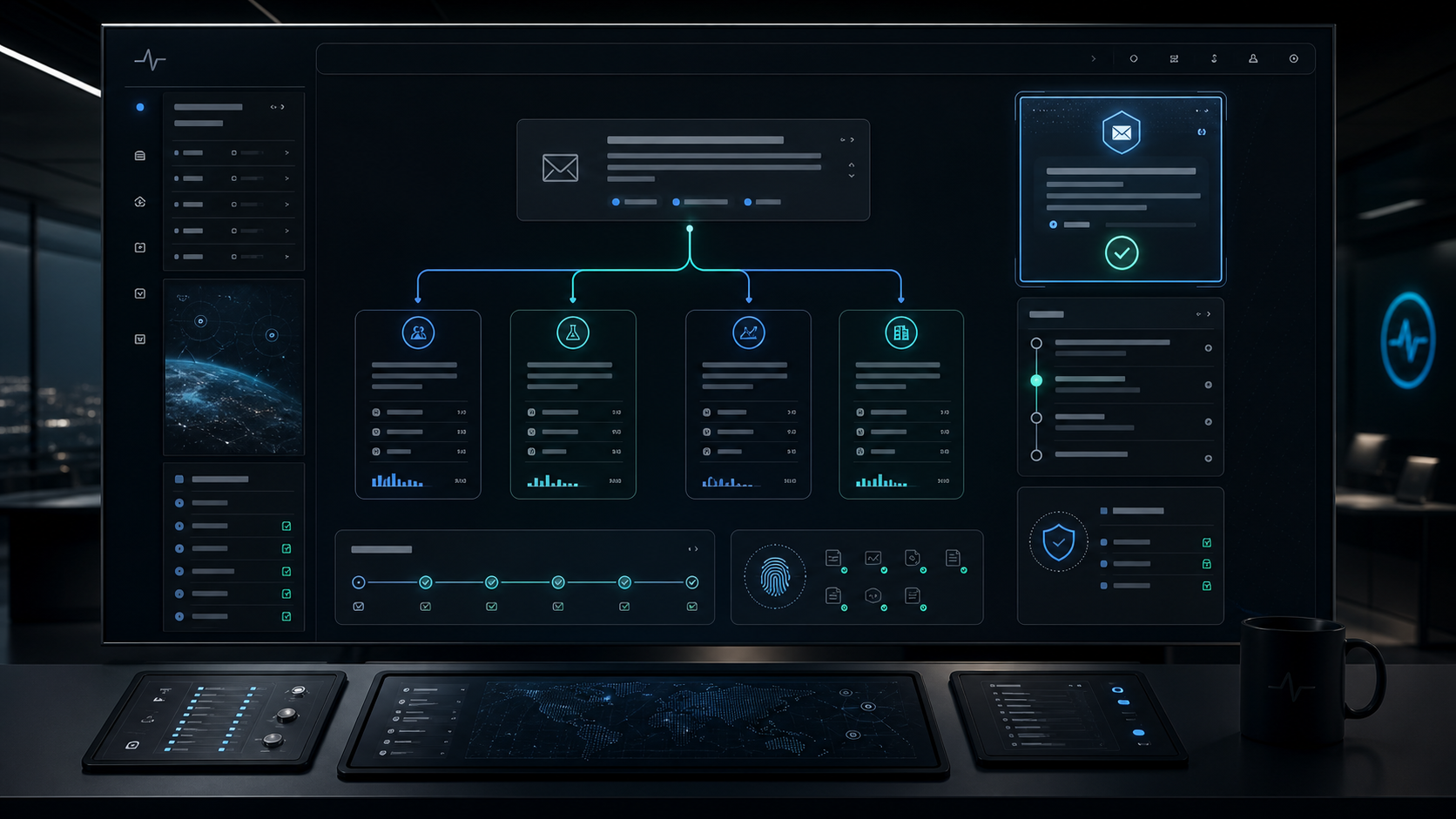
Visual note: the hero image is a dedicated GPT-generated contact-route asset. It supports orientation only and does not represent a staffed CRM, live diligence desk, legal workflow, secure dataroom, production provider receipt, or guaranteed response state. Asset: assets/contact/white-noise-contact-intake-routing-surface-20260701.png. Review the provenance record.
Response contract
Make the first reply inspectable before the note is sent.
Current reference sites make the artifact, route, and operating boundary visible close to conversion. This contact layer applies that pattern to White Noise: every serious note should carry the expected first-return artifact, the boundary it needs answered, and the fallback if live routing is not configured.
Contact standardOne answerable packet, not a broad invitation
If the requested material is not ready, the best first reply is a clear not-ready boundary and the next public route.
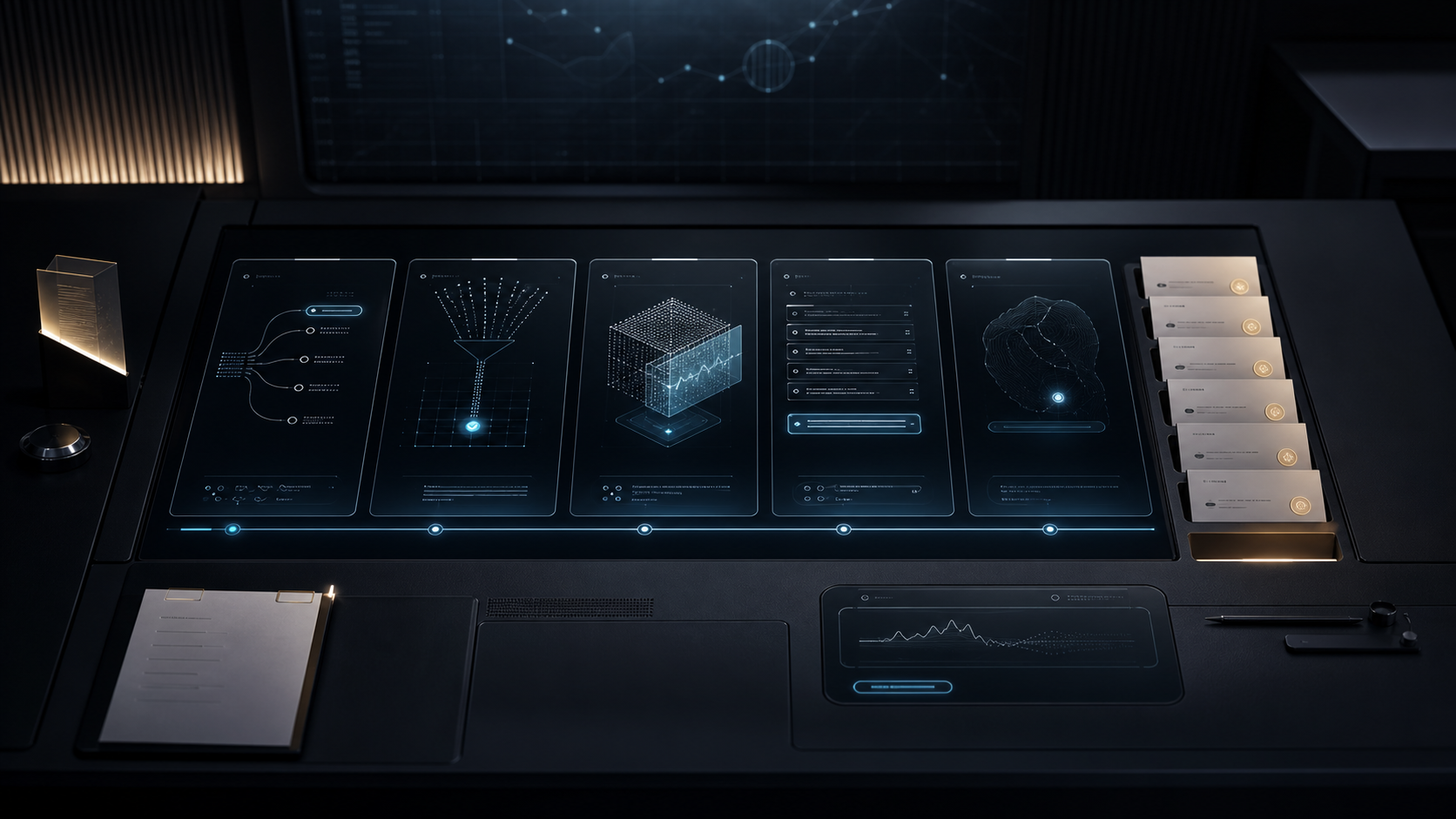
Image provenance GPT-generated contact response-contract art created for this section. Asset: assets/contact/white-noise-contact-response-contract-room-20260701.png. Review the provenance record.
Routing controls
Serverless routing supports production providers, but warmer public routing claims still require the dated source record defined in the contact-routing evidence pack. Static demos still keep a CMS-visible local copy. Investor and WN Coin inquiries remain public first-pass routing only, not an offer of securities, investment advice, or proof of a formal financing process. Contact-route submissions should stay limited to route context, not private diligence records.
Send the first note
Finish the contact step on this page.
This intake turns the route chooser into an actual first-pass handoff. It keeps the note bounded to one route, one decision, one artifact need, and one risk boundary, then gives the sender a receipt-shaped packet instead of an empty contact form.
Use boundaryPublic routing only
Use this form for orientation, routing, and first-return artifact requests. Do not send confidential, personal, credential, or regulated records through this public intake.
Routed contextThis inquiry arrived from a named White Noise route.
The source page, product focus, first artifact, and main boundary stay visible here so the contact handoff does not reset into a generic note.
Spend postureNot specified
Review this first so the outbound note stays aligned with the route that brought you here.
SourceNot specified
Public route not specified.
Product or surfaceNot specified
No first artifact carried in yet.
Main boundaryNot specified
Selection context will appear here when available.
The page is checking whether this environment reports configured delivery or should stay in demo fallback mode. When delivery is live, White Noise can attempt a best-effort routed first reply based on the current route state. That route-state check is not the same as source-backed proof of staffed workflow or response metrics.
Waiting for route-state check.
Outbound previewChoose a route to inspect the exact first note.
Subject: White Noise inquiry
Use one bounded ask so the first reply can return a real next artifact.
First-note rulesKeep the first pass legible enough to answer honestly.
SendDecision, page, boundary, artifact.
Name the route, the surface being reviewed, the main risk, and the smallest acceptable first return.
Do not sendPrivate records or formal-process assumptions.
Do not paste decks, credentials, customer data, contracts, or anything that assumes a secure diligence room already exists.
Expect backOne route, one artifact, one next step.
The right reply is a concrete note, memo, walkthrough, redirect, or explicit statement that the requested material is not ready, returned on a best-effort basis when live routing is configured.