
Demo 01
Flagship Totality Campus
A research university campus for integrated frontier learning, public lectures, labs, and founder residency.
WNU is the five-year plan to turn White Noise Totality into a for-profit private university: a rigorous, research-first institution teaching the frontier subjects conventional universities do not yet know how to hold.
The WNU story needs to be cinematic and careful at the same time. This matrix turns the university promise into a product-like status layer: what visitors can inspect today, what belongs to the proposed Institute pilot, what must be built as evidence, and what cannot be claimed until authorization and accreditation are actually granted.
That distinction is the credibility move. It lets learners start with live Academy material, lets funders sponsor named institutional artifacts, and keeps degree and accreditation language inside the proper review boundary.

Every claim is routed to a current asset, a proposed pilot, an evidence binder, or a status that must be earned later.
Visitors can inspect the current White Noise Academy course system before WNU turns it into governed institutional pathways.
Current asset Proposed pilotA bounded cohort can prove seminar rhythm, critique, student support, portfolio outputs, and review culture before degree authorization.
Pilot surface Reviewable nextGovernance, curriculum, faculty, labs, outcomes, and finance should be organized as fundable artifacts advisors can critique.
Build priority Must be earnedWNU cannot claim authorized, degree-granting, or accredited status unless the required bodies grant those statuses.
Locked claimThe conventional university was built around departments, semesters, and credentials. WNU is being designed around frontier capability: learning, research, campus life, governance, and venture creation in one operating system.
The category name is simple: the Frontier University. Its job is to train civilization-scale builders before the old curriculum has finished debating whether the future has arrived.
Compete on rankings, legacy departments, seat time, tuition signaling, and degree labels. Students learn yesterday's disciplines, then try to assemble tomorrow's work on their own.
Build around unsolved domains, AI-native tutoring, proof portfolios, lab demos, venture pathways, governance, and research evidence that can survive accreditation review.
The problem is not that universities need more electives. The problem is that frontier subjects are still homeless inside legacy academic boxes.
WNU names the category: a Frontier University for White Noise Totality. It teaches the stack as an integrated body of knowledge, not as scattered side projects.
Every course, lab, campus demo, assessment, and governance policy is built to become accreditation evidence, investor evidence, and student outcome evidence.
Every WNU degree and certificate pathway is drawn directly from the book White Noise Totality by Valentin Perlov. Its eleven parts — from foundational theory and the omnipresent OSTSS infrastructure to human potential, civilizational tools, governance, superintelligence, universe control, and the White Noise ecosystem — are the institution's syllabus.
As in the White Noise Grand Challenge, the university is built around the same two thresholds: ascension up the Kardashev scale toward a Type III civilization, and microdimensional mastery inward toward the Omega-minus level. Students are taught to push outward and inward on the same problem.
The first academic asset is already alive as White Noise Academy. WNU turns that learning corpus into a governed institution: faculty, outcomes, assessment, student services, research infrastructure, and a transparent path toward recognized accreditation.

WNU shares its north star with the White Noise Grand Challenge: a civilization-scale ascent pursued in two directions at once. The curriculum, labs, and student research are organized so every graduate can move outward and inward on the same problem.
Expanding the energy and reach a civilization commands — stellar engineering, megastructures, terraforming, space settlement, and the OSTSS infrastructure that carries a Type III civilization across the galaxy. See the Grand Challenge lanes.
Deepening the scale at which a civilization can act — entanglement computing, programmable matter, the White Noise Computer, and control reaching down toward the Omega-minus level. See the Grand Challenge review loop.
Student research at WNU is designed to be logged against the same Kardashev and Omega milestones, turning coursework into Grand Challenge contributions. The Grand Challenge is an educational and creative program: the Kardashev scale is an established framework, while Omega-minus and the timelines are aspirational theses from the book.
These are AI-generated campus demos, used as planning artifacts for donors, partners, faculty, and regulators. Each campus concept turns a part of the WNU model into something visible enough to critique, fund, and improve.
A research university campus for integrated frontier learning, public lectures, labs, and founder residency.
A lab-classroom hybrid where students learn by building prototypes, models, and governed research briefs.
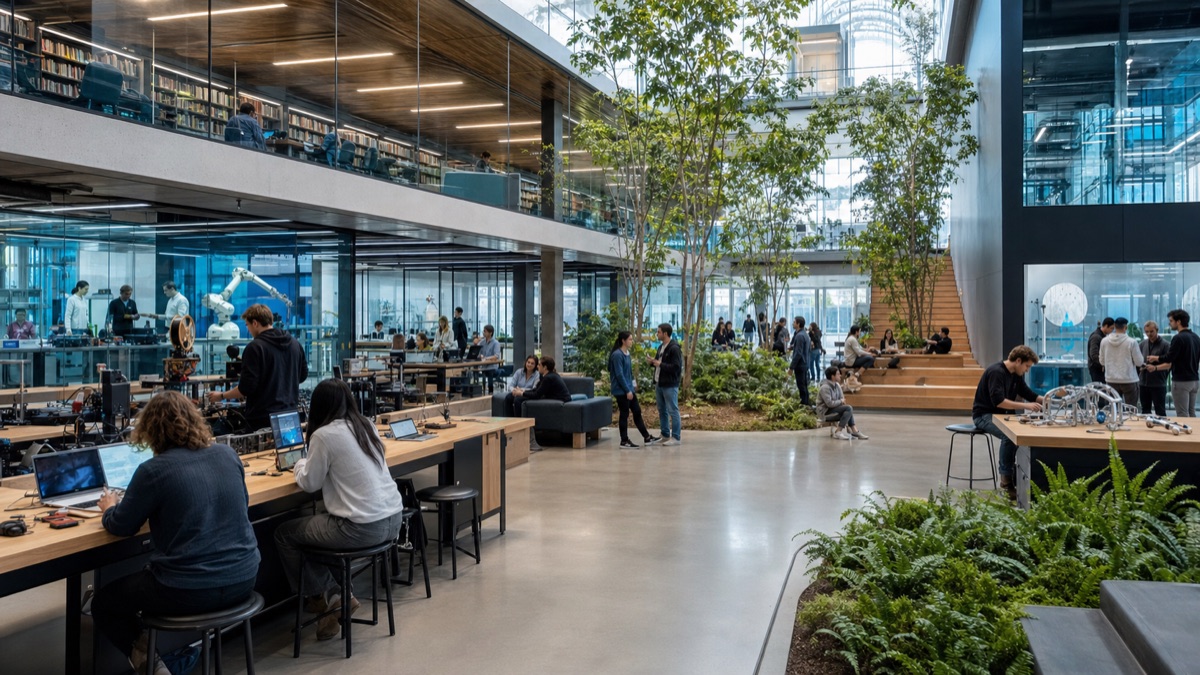
A human-scaled commons combining library, maker studio, mentorship, student services, and campus life.
A quality system for governance, assessment, evidence binders, complaint handling, and student outcomes.

The operating room for curriculum, faculty hiring, authorization, online campus, and research funding.
These AI-generated views turn the White Noise University plan into a campus language: exterior models for donors and regulators, and interior scenes showing how students, faculty, researchers, and partners would inhabit the White Noise Inc. learning ecosystem.
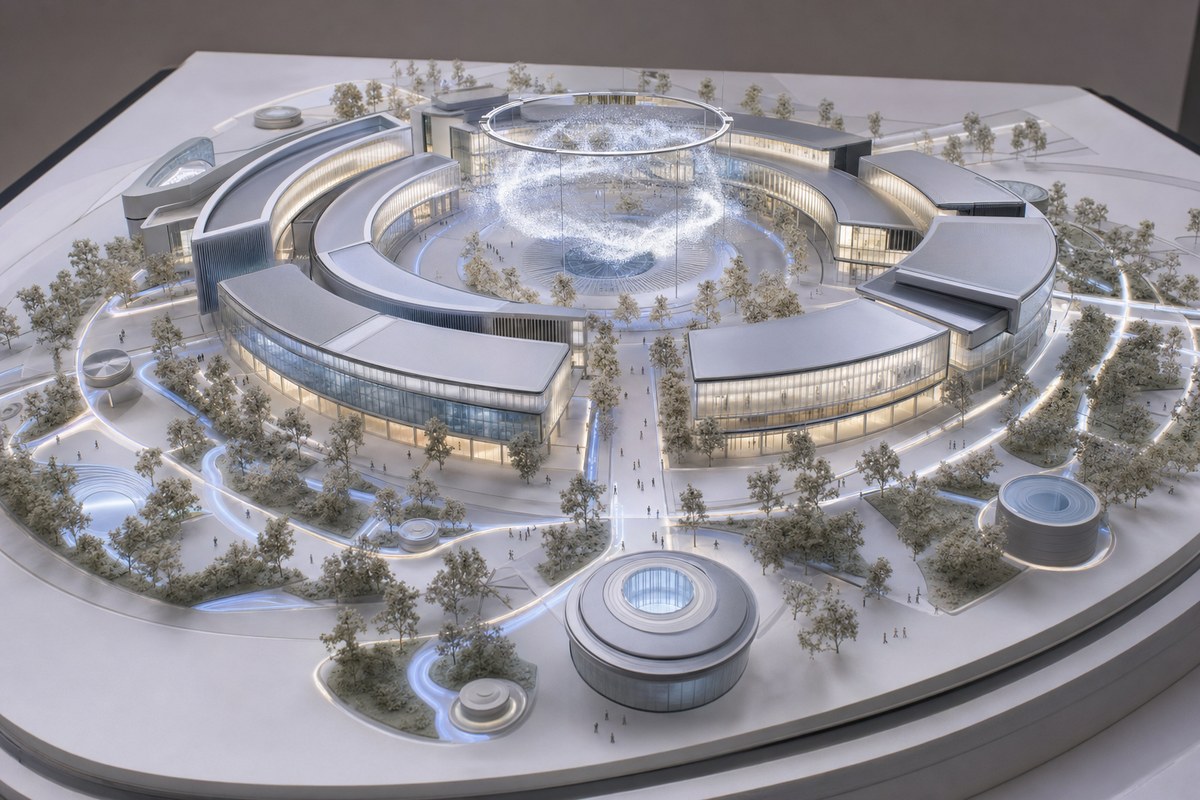
White Noise Inc. frames the central quad as WNU's visible heart, where Totality lectures, partner showcases, and student research reviews converge.
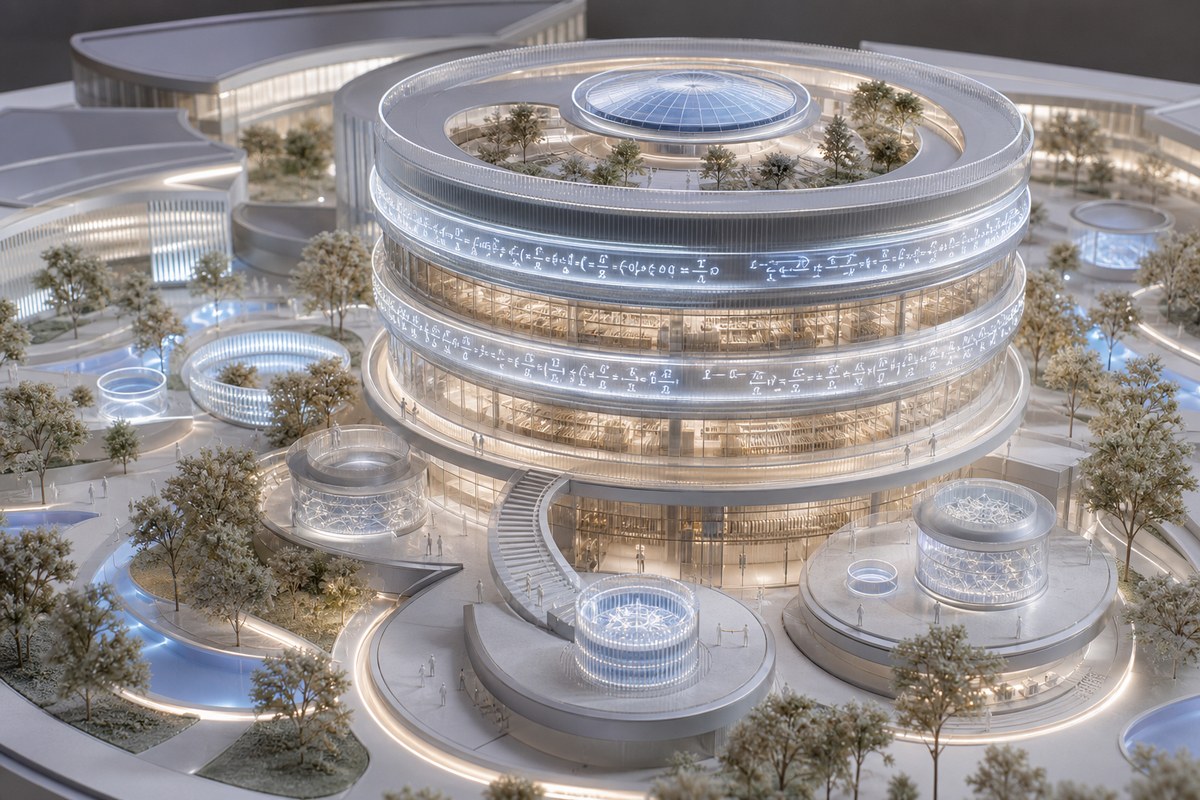
White Noise Inc.'s archive concept gives the Superformula, the book corpus, and WNU's evidence binders a public academic home.
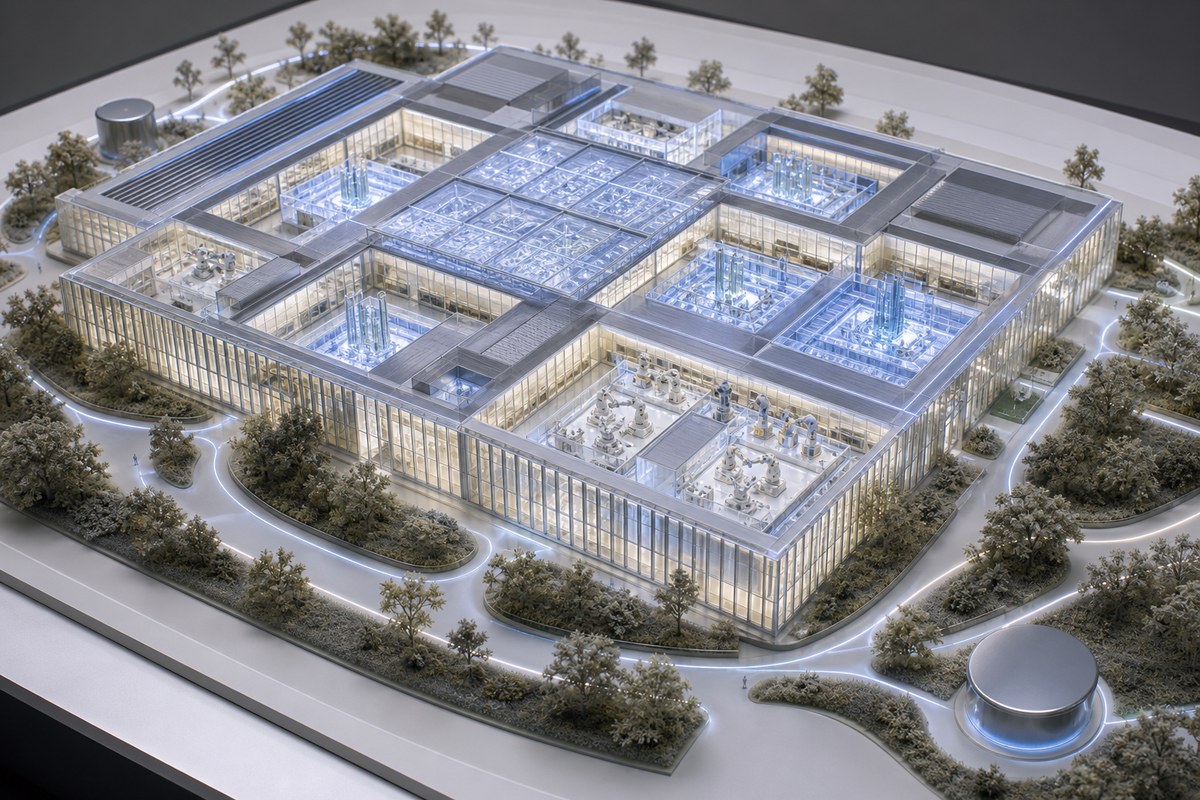
This White Noise Inc. lab model translates chip theory into coursework, prototype reviews, and investor-facing research demonstrations.
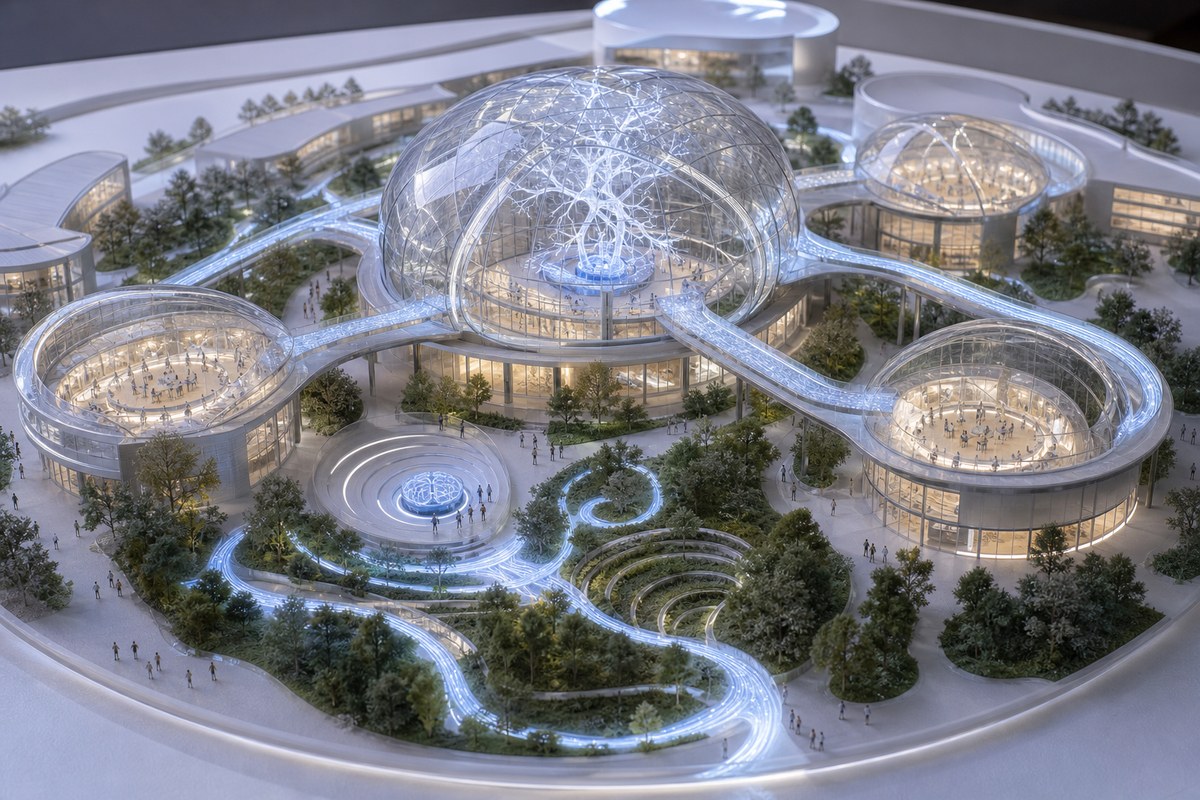
White Noise Inc. positions the conservatory as the human-centered side of WNU: cognition, identity, learning, and neural-quantum ethics.
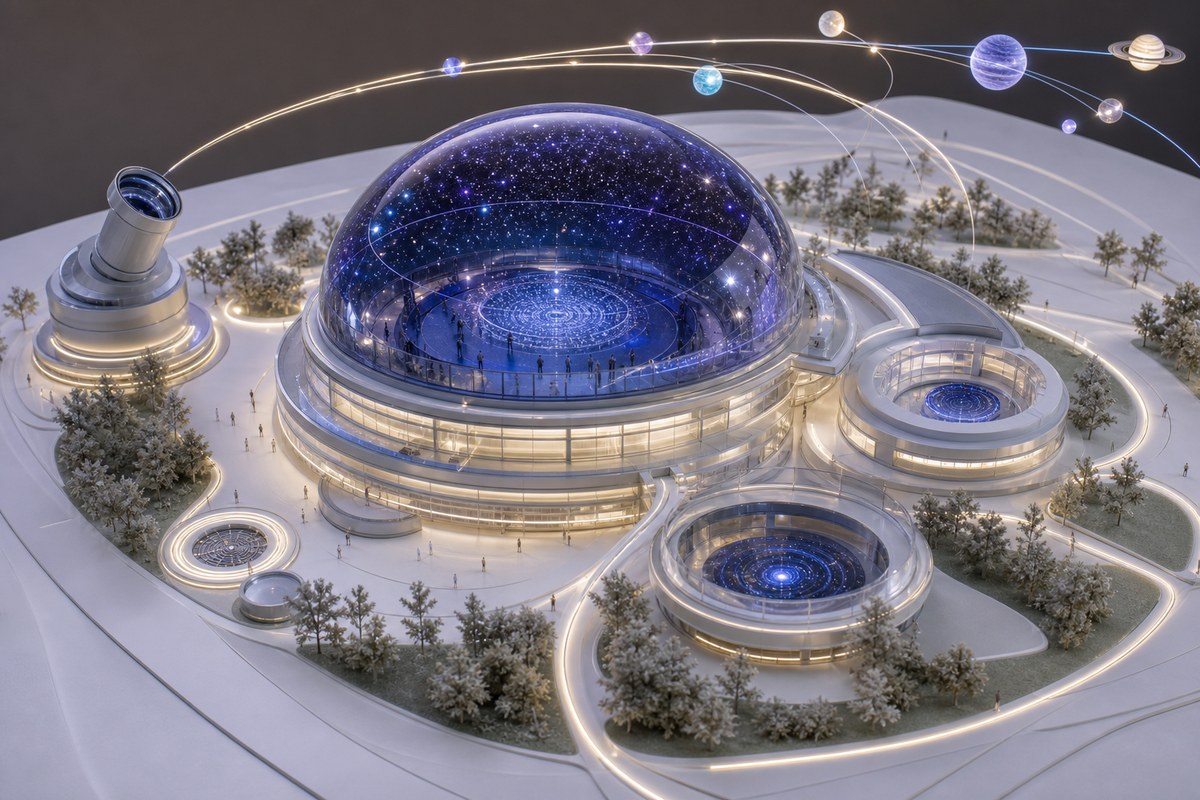
The observatory gives White Noise Inc. a disciplined venue for teaching non-local cognition as a research question rather than a slogan.
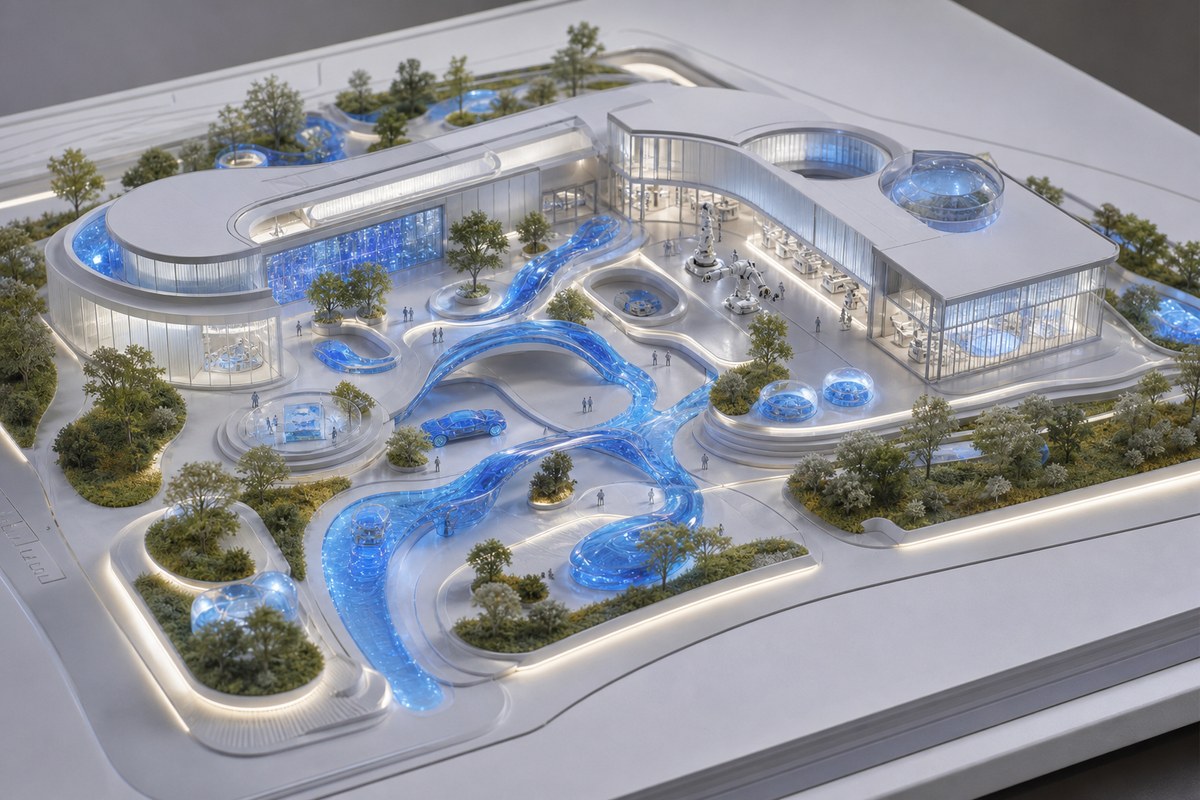
White Noise Inc.'s programmable matter studio turns Blue Gue into a teachable design language for adaptive tools, interiors, and infrastructure.
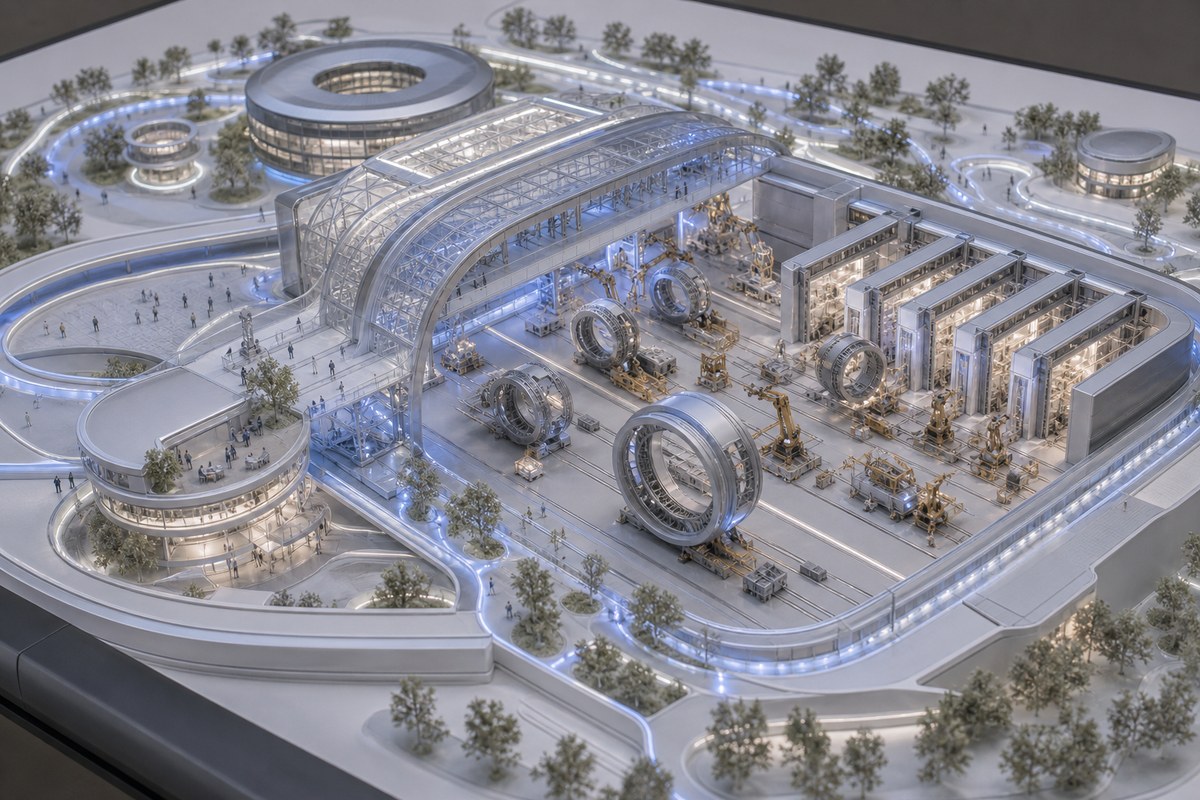
This yard visualizes White Noise Inc.'s space-settlement curriculum, where students model habitats, automation, and civilization-scale logistics.
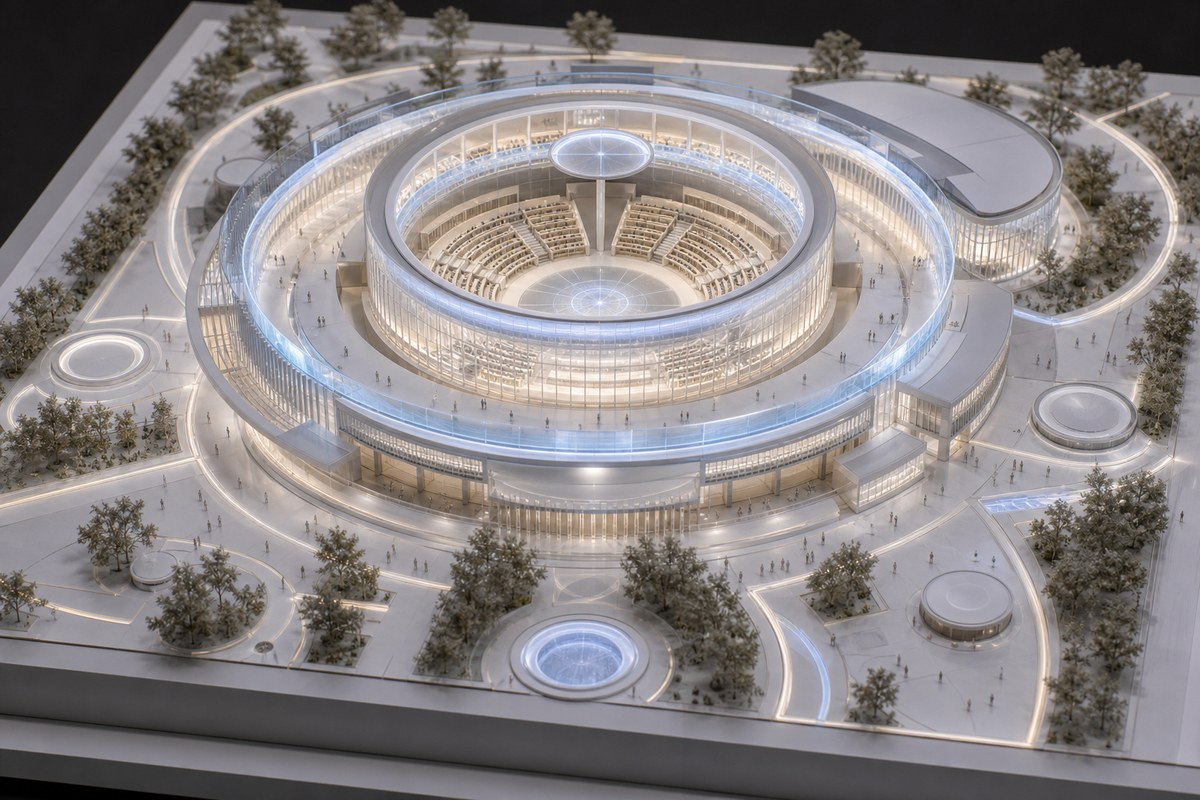
White Noise Inc. gives alignment, governance, and benevolent superintelligence a civic campus form built for debate and inspection.
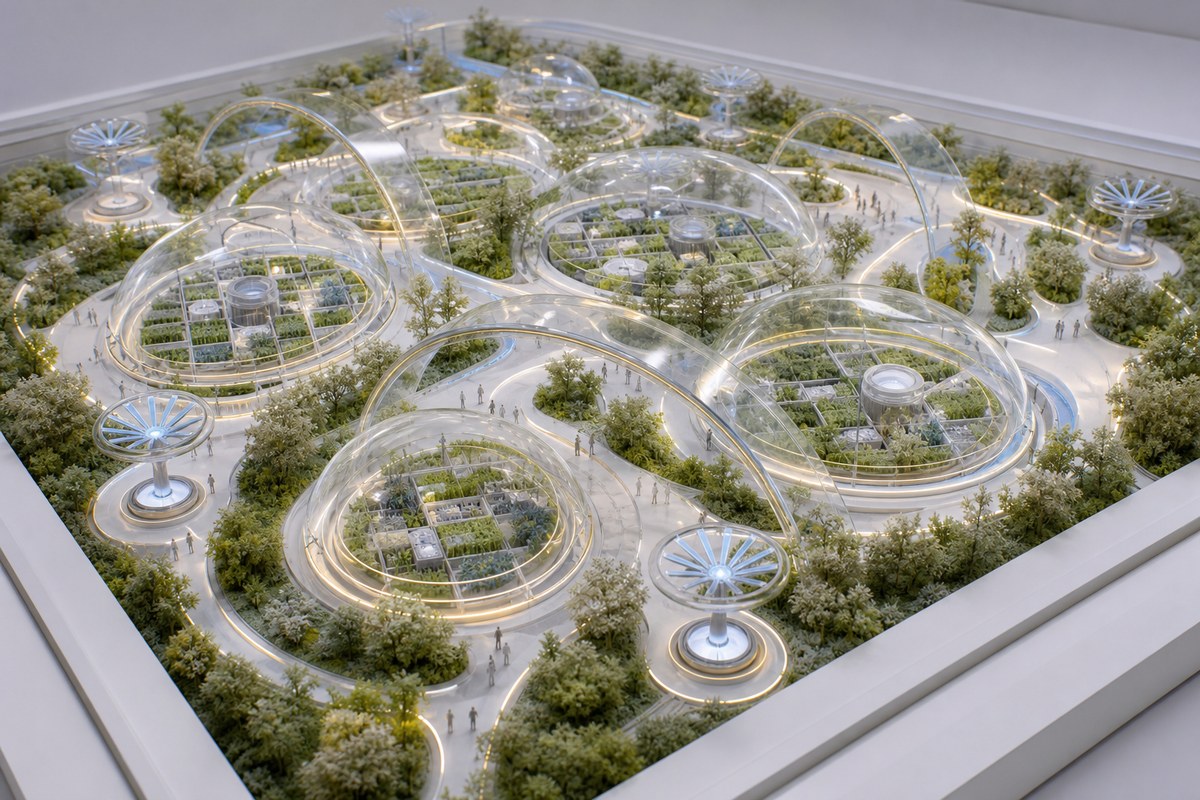
The garden links White Noise Inc.'s protection systems to climate restoration, energy design, and student-led safety modeling.
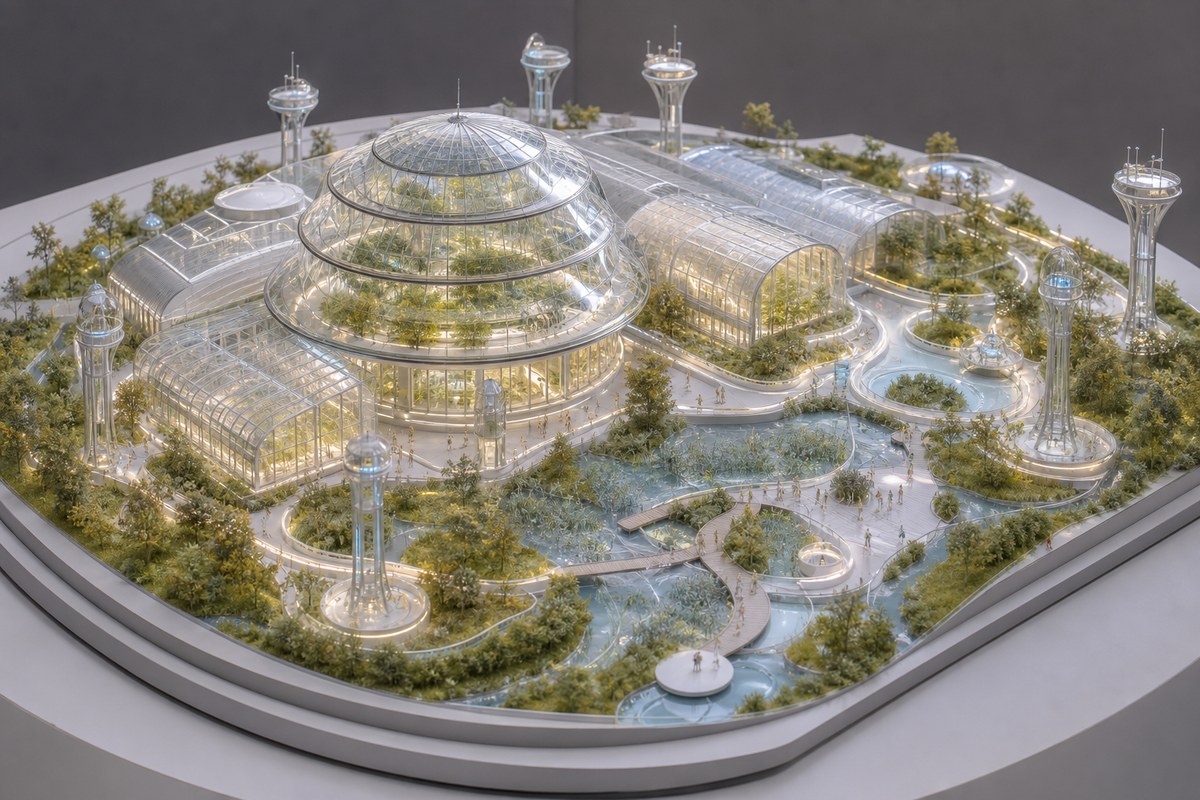
White Noise Inc.'s environmental school uses the greenhouse to make climate repair, biosphere stewardship, and abundance practical to study.
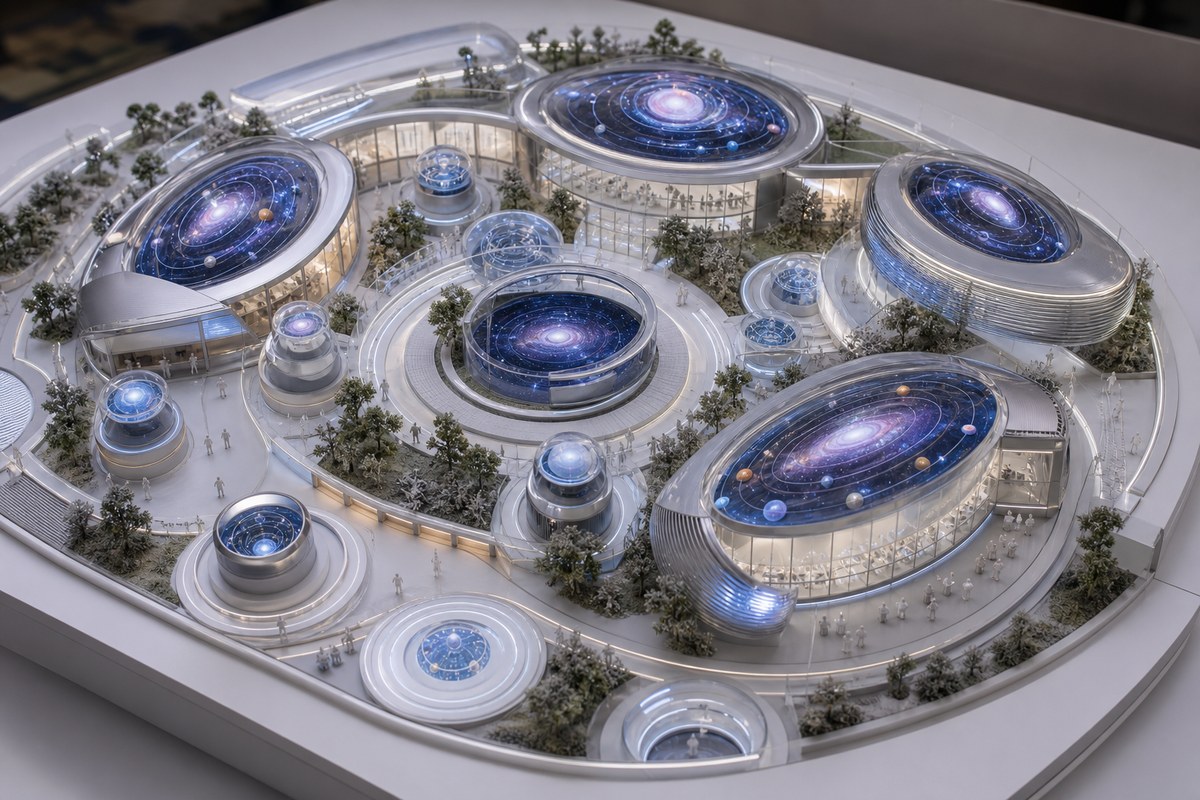
The studio connects WNU to White Noise Inc.'s W.N. Verses vision: worldbuilding, simulation, ownership, and responsible reality design.
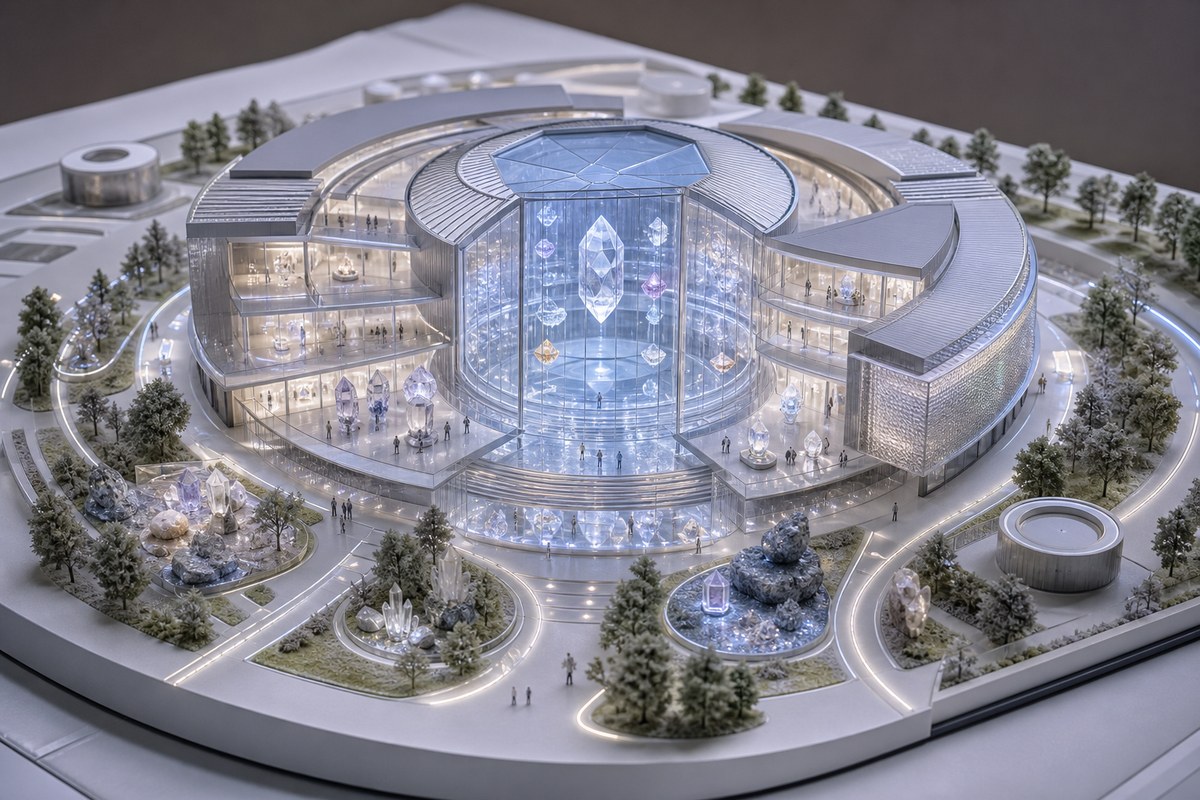
White Noise Inc. uses this hall to stage material-science learning around self-healing substrates, topological protection, and public demonstrations.
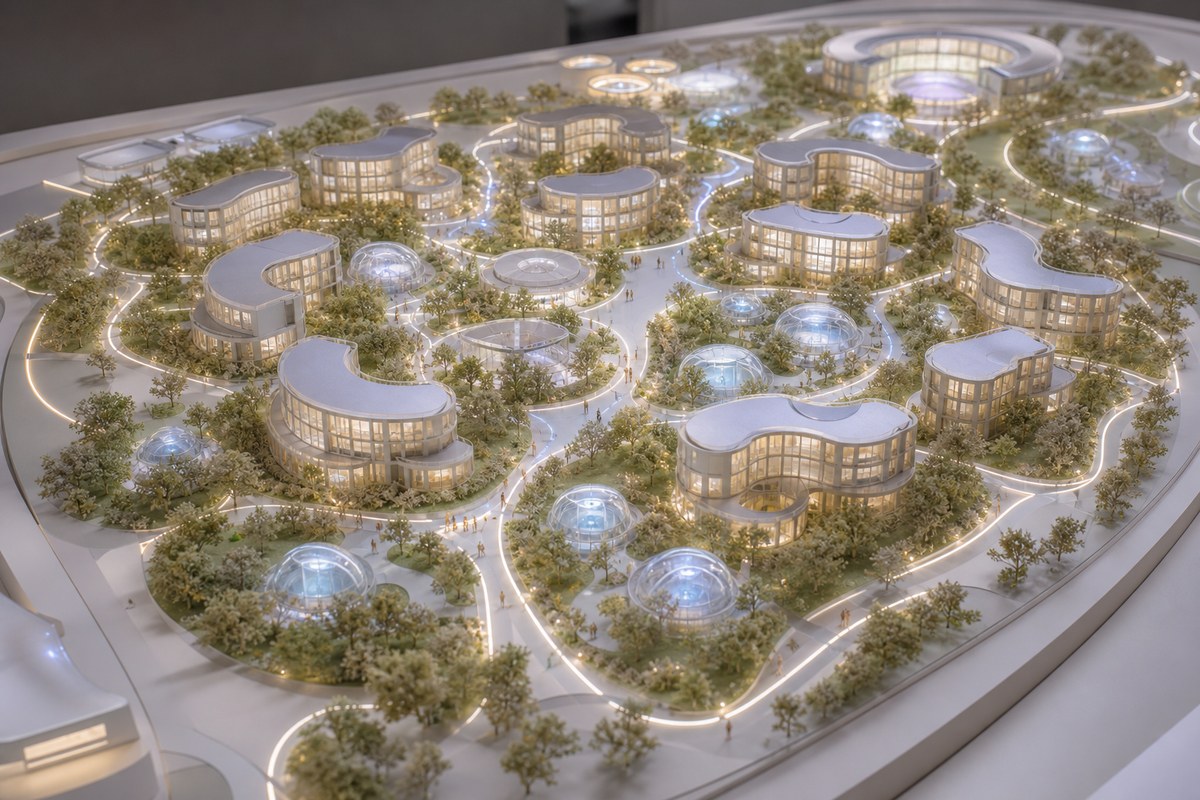
White Noise Inc. treats student life as infrastructure: residence, mentorship, health, and accelerated learning in one academic habitat.
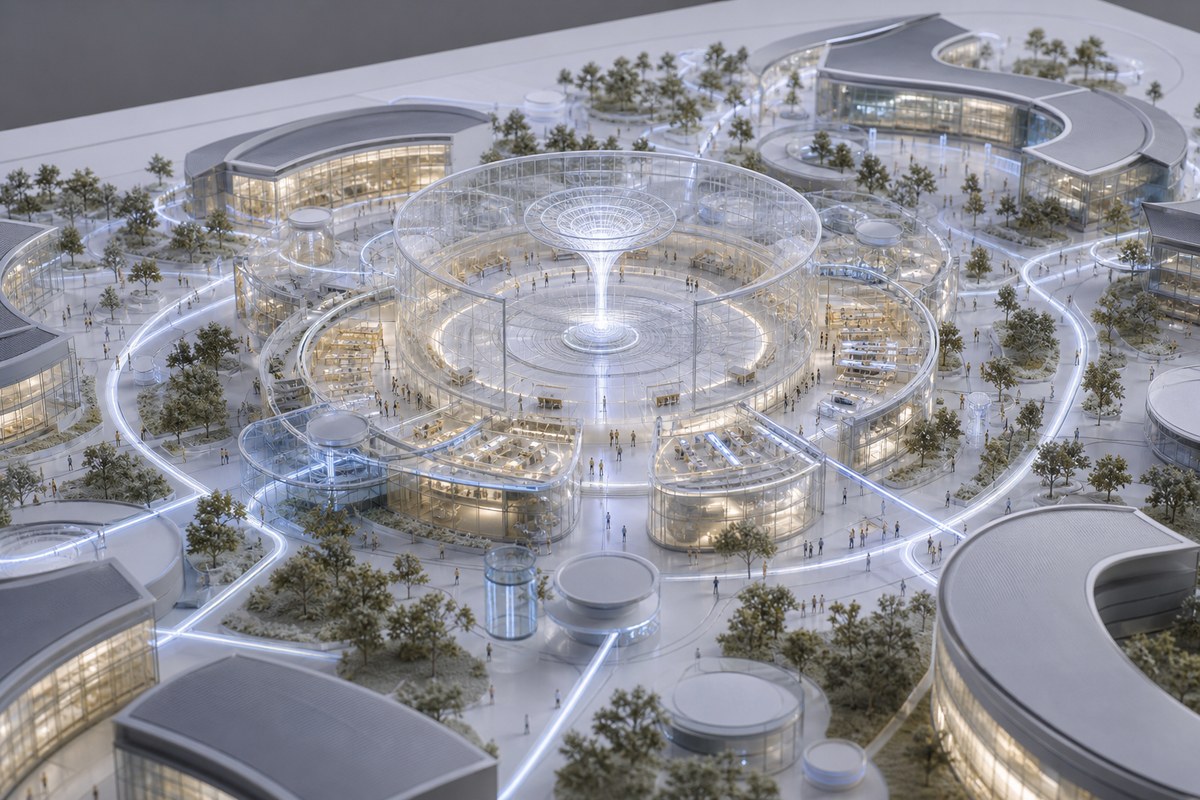
The commons gives White Noise Inc.'s open-standard strategy a campus room for verification, protocol design, and shared research culture.
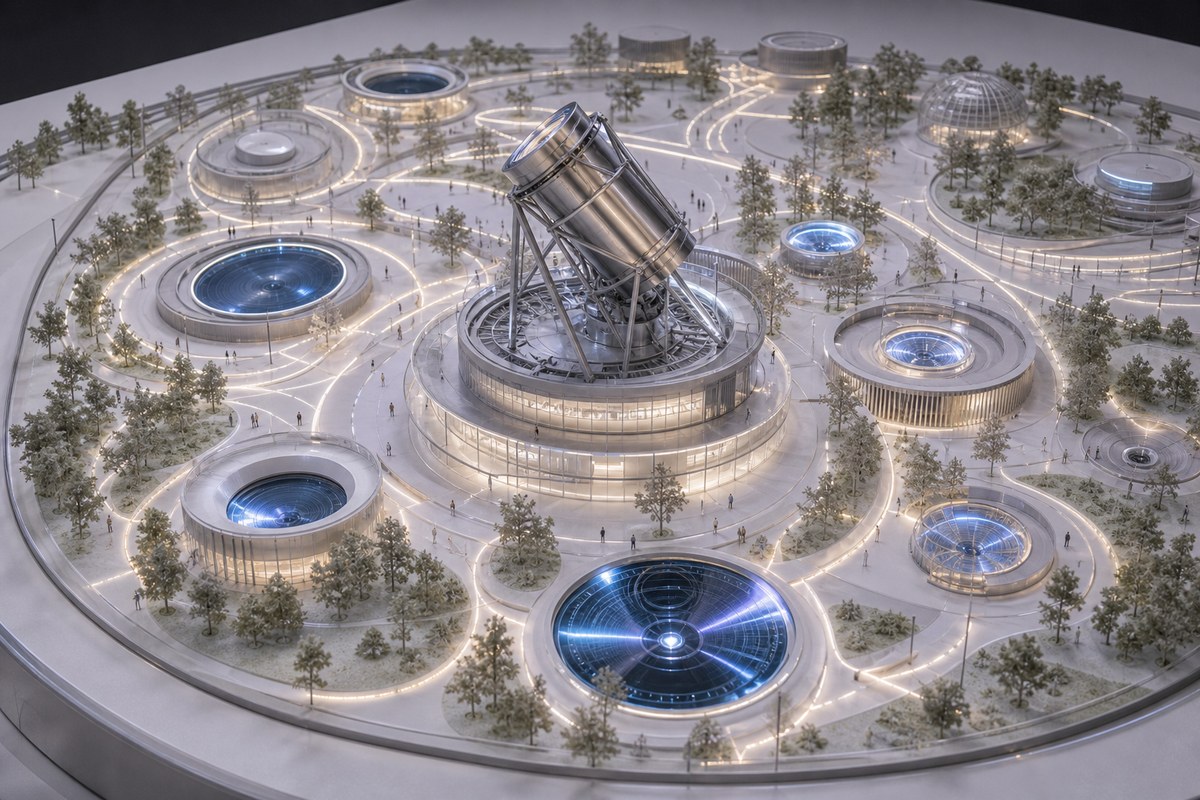
White Noise Inc. places cosmic observation beside undergraduate research, making frontier instruments part of everyday campus life.
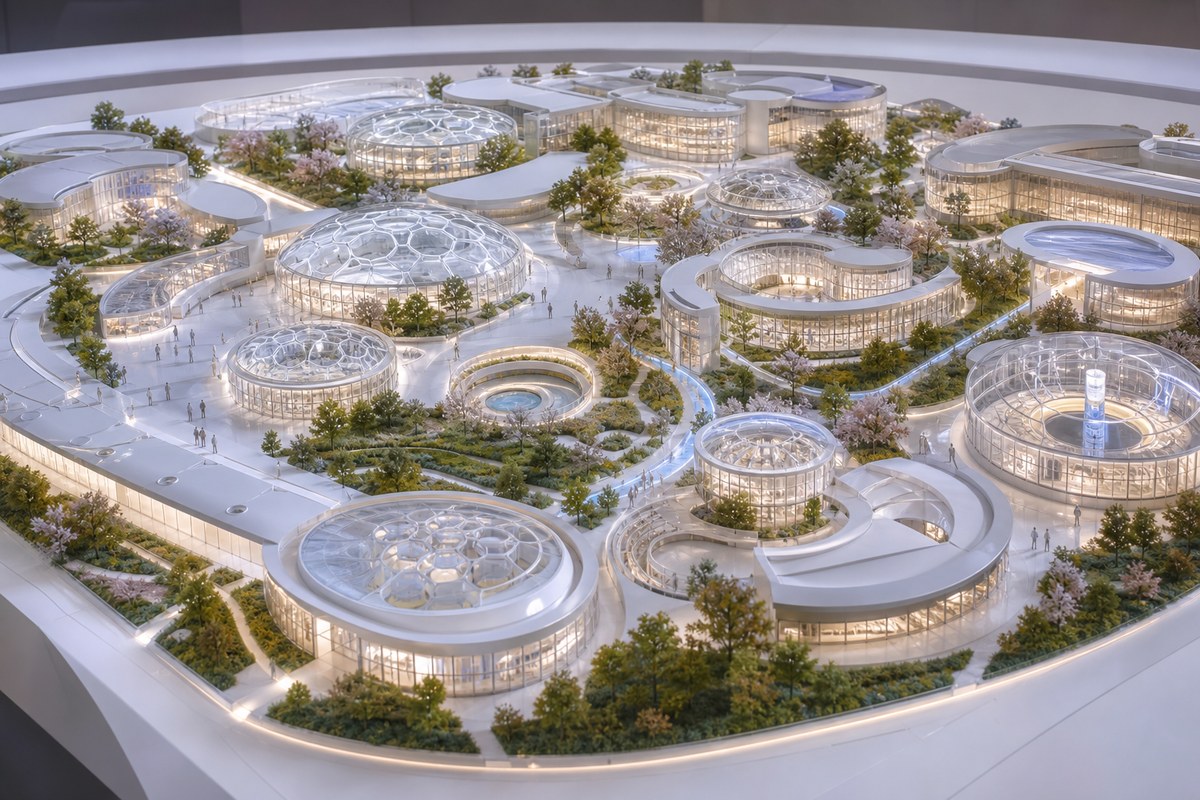
The academy visualizes White Noise Inc.'s health and immortality track as a regulated teaching environment rather than a vague promise.
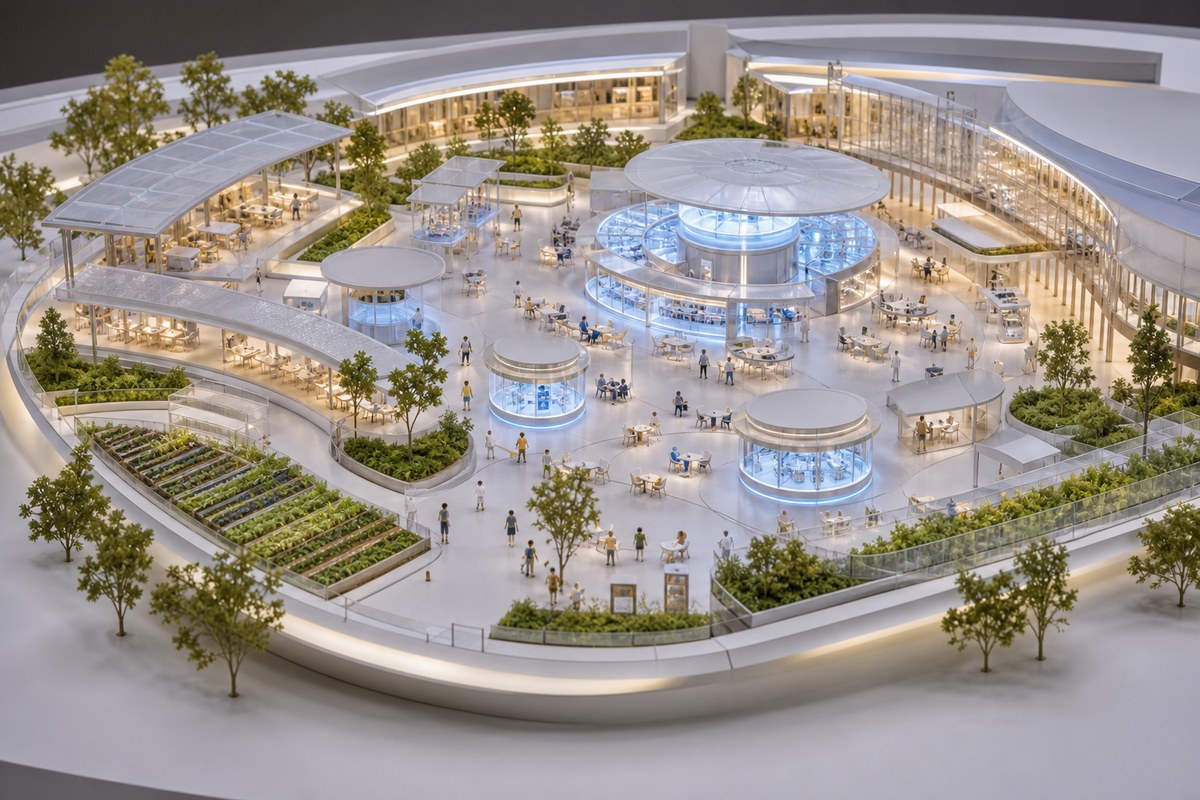
White Noise Inc.'s abundance thesis becomes a student commons for fabrication, food systems, and social learning around post-scarcity tools.
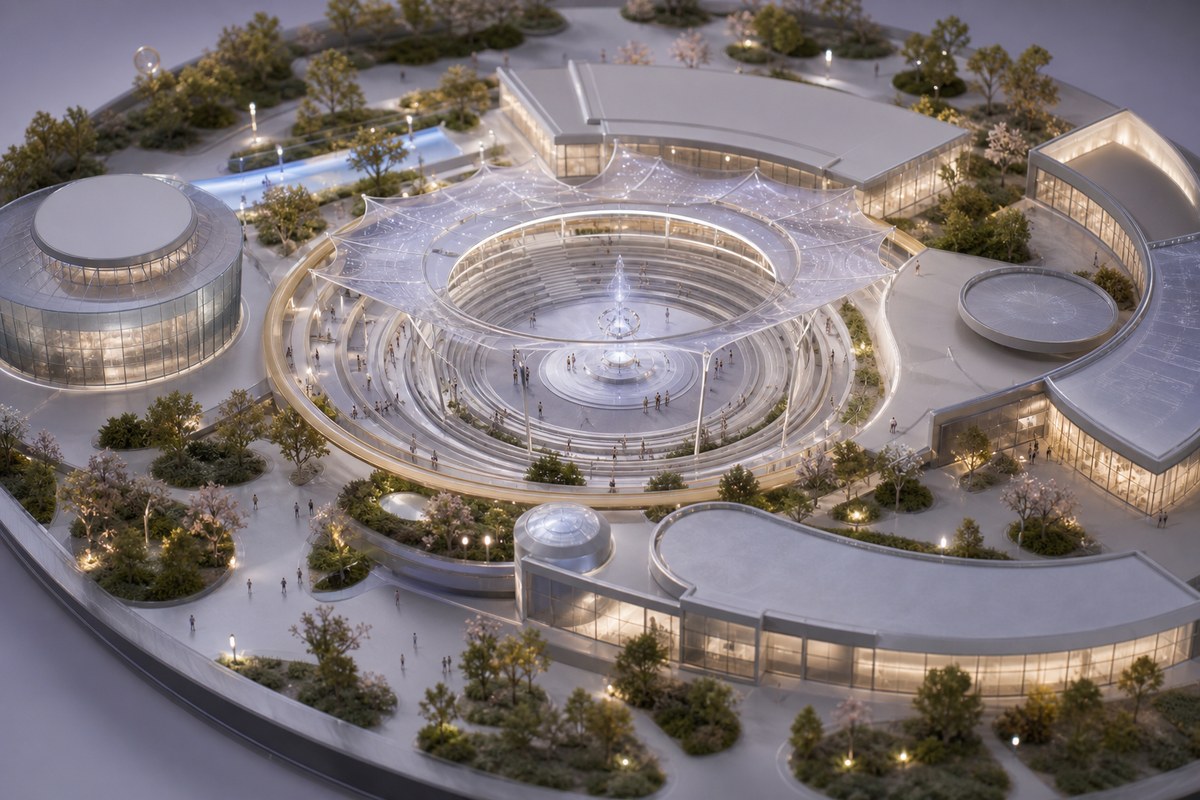
White Noise Inc. imagines diplomacy, translation, and cosmic citizenship as academic disciplines with a public assembly space.
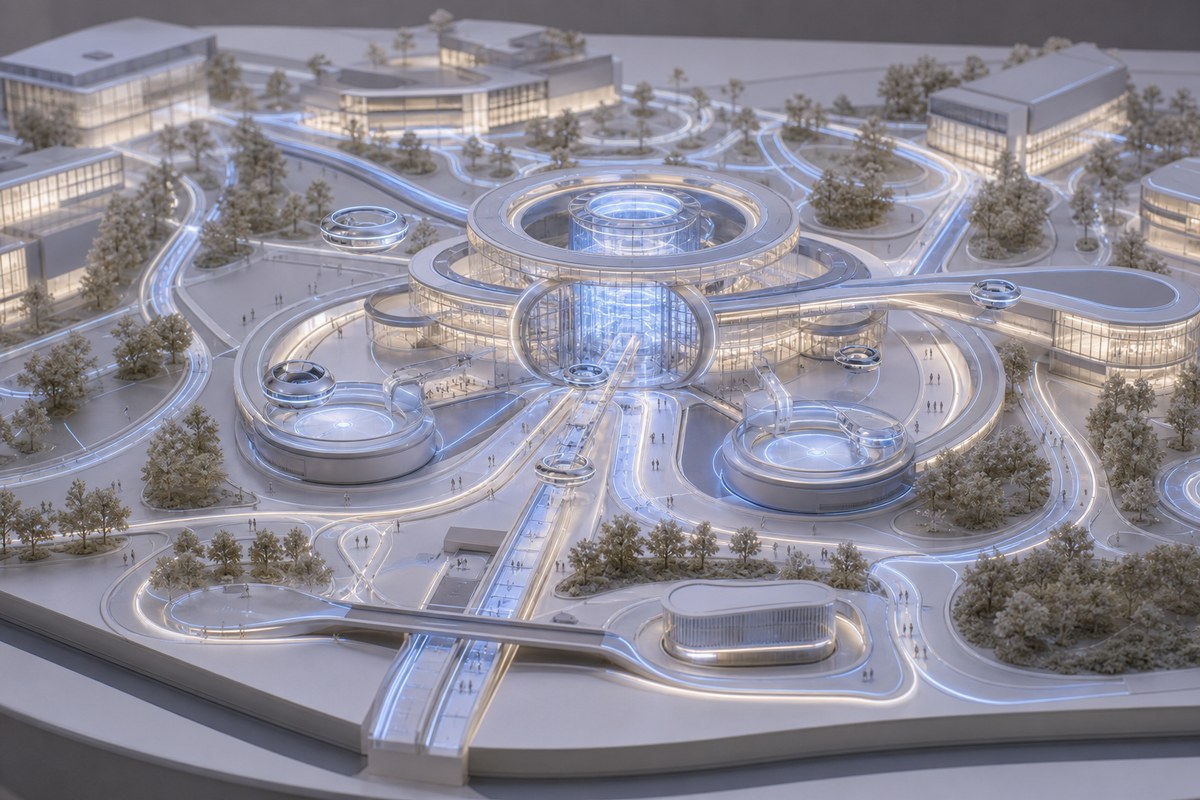
The transit hub makes White Noise Inc.'s connectivity promise physical: movement, access, and campus operations linked as one system.
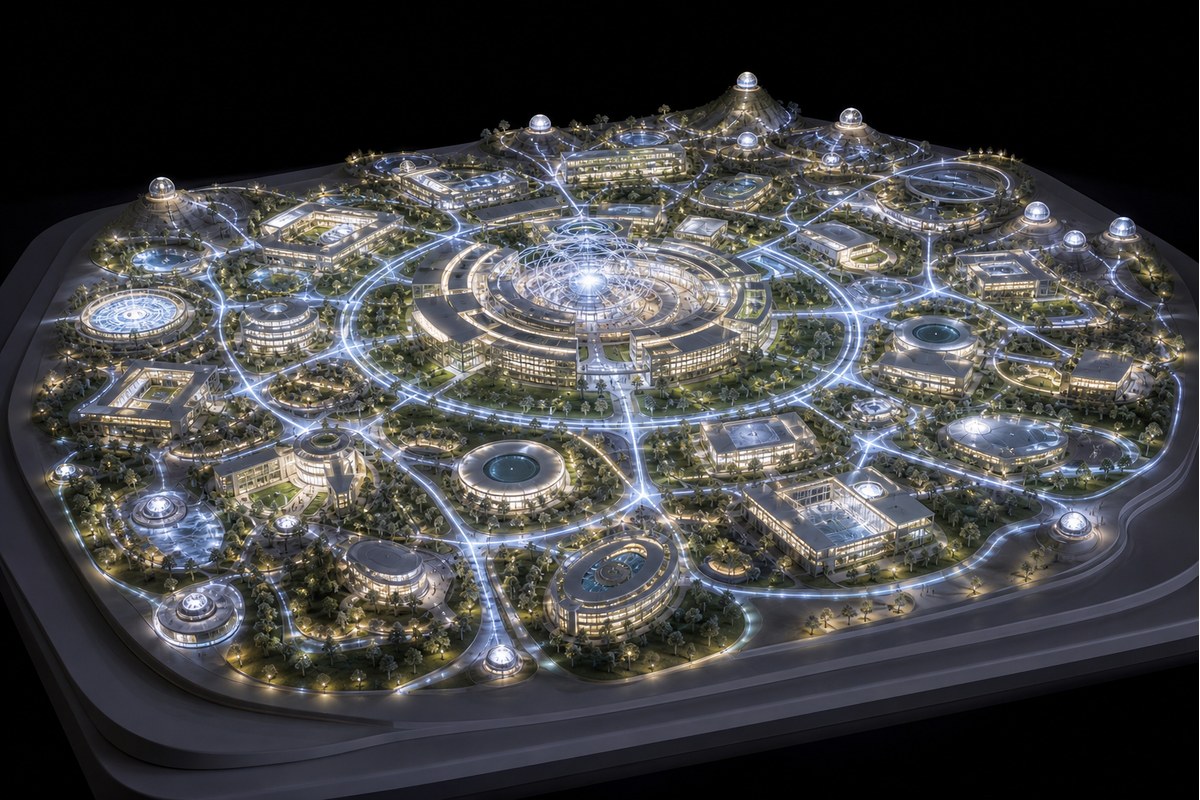
White Noise Inc.'s full WNU campus reads as a connected learning organism, with research, life, governance, and infrastructure visibly joined.
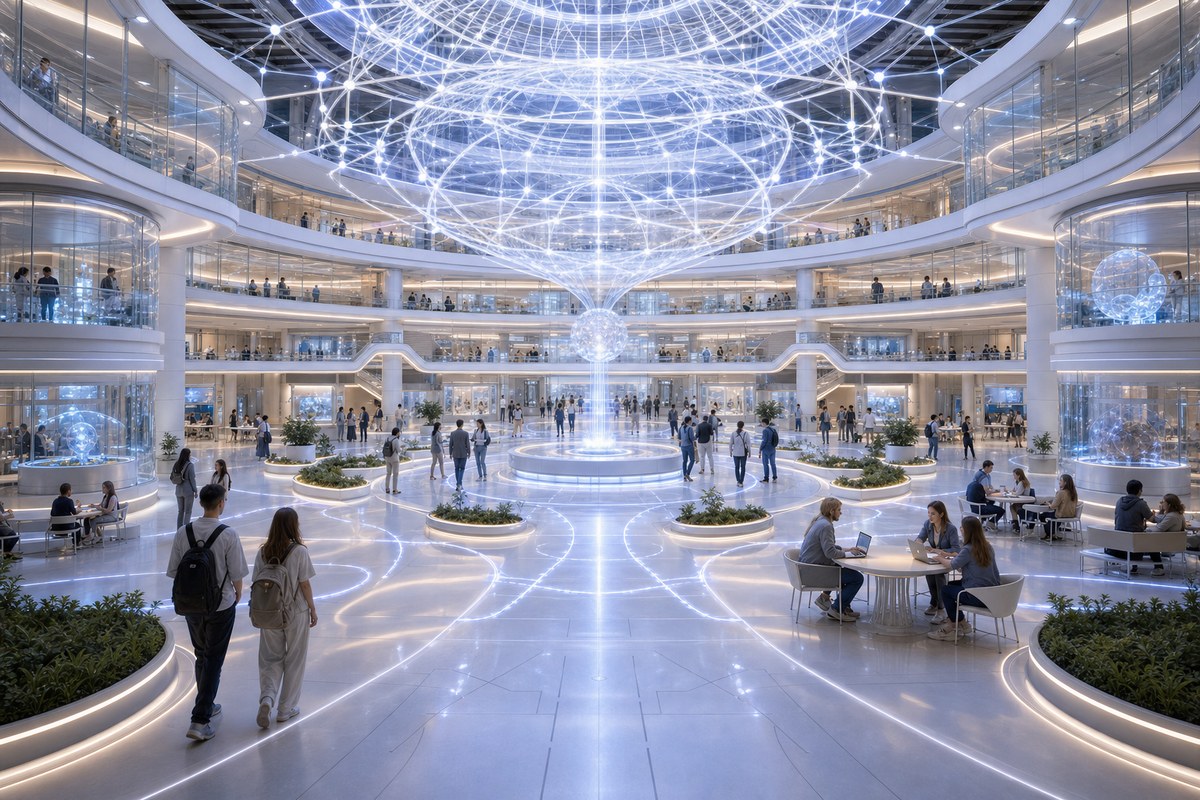
Inside the atrium, White Noise Inc.'s university identity becomes social: students, faculty, and partners gather around the Totality lattice.

White Noise Inc.'s book-to-curriculum strategy appears here as a working library where students turn Totality concepts into research portfolios.
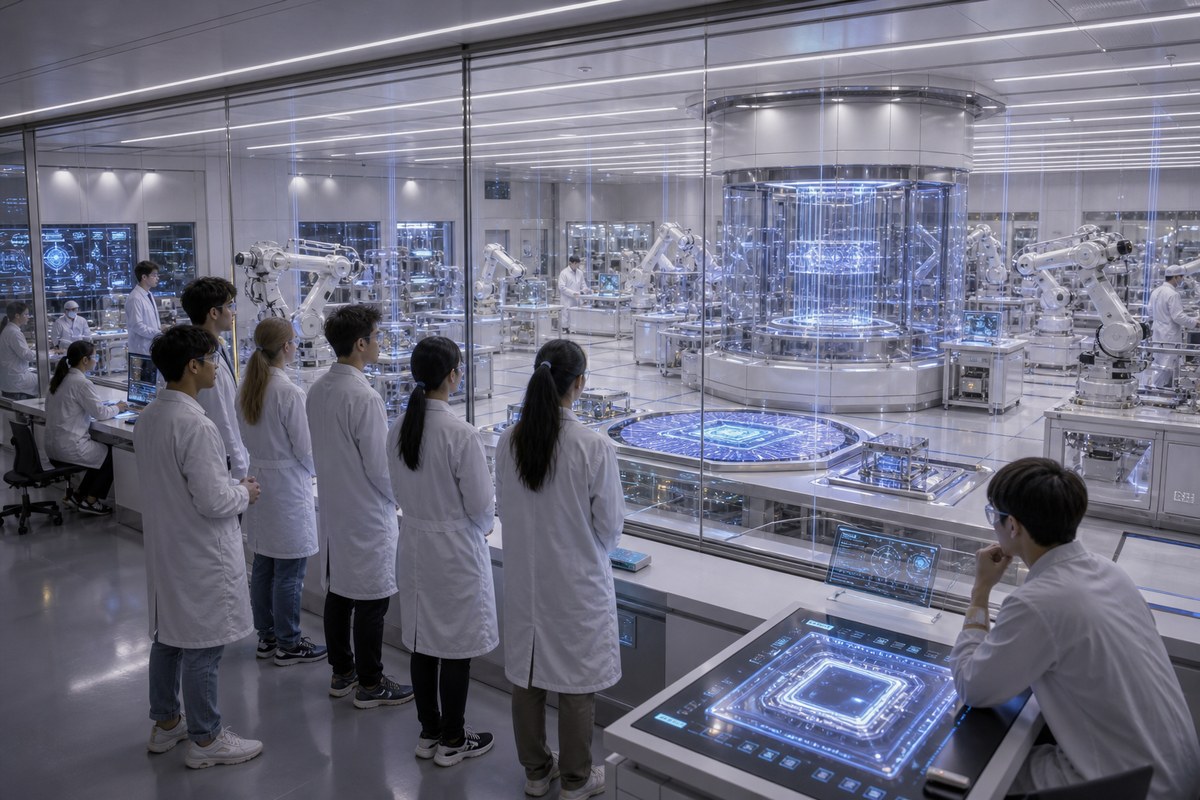
The clean room shows how White Noise Inc. can convert quantum-chip ambition into inspectable teaching, lab safety, and prototype discipline.
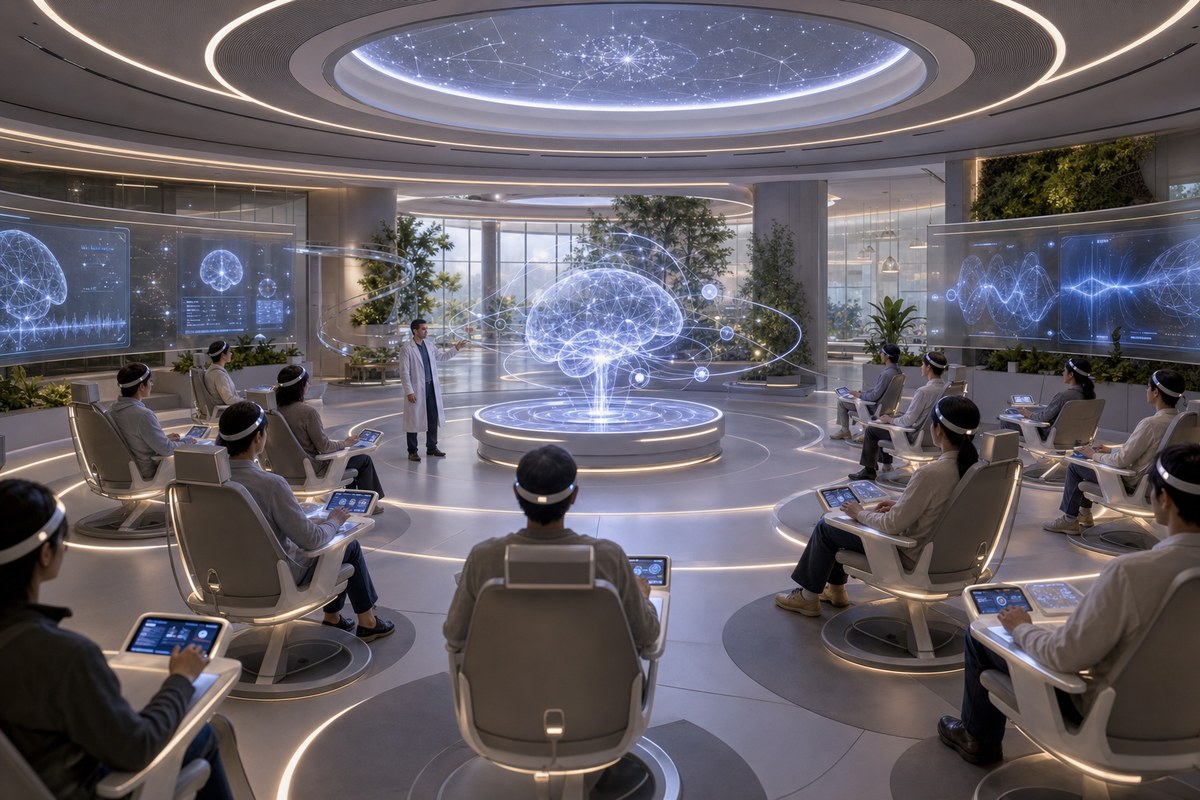
White Noise Inc. anchors neural-quantum learning in visible pedagogy: instructors, students, assessment, and consent-aware systems.

White Noise Inc.'s anomalous-cognition track is framed as seminar work: observation, interpretation, documentation, and review.
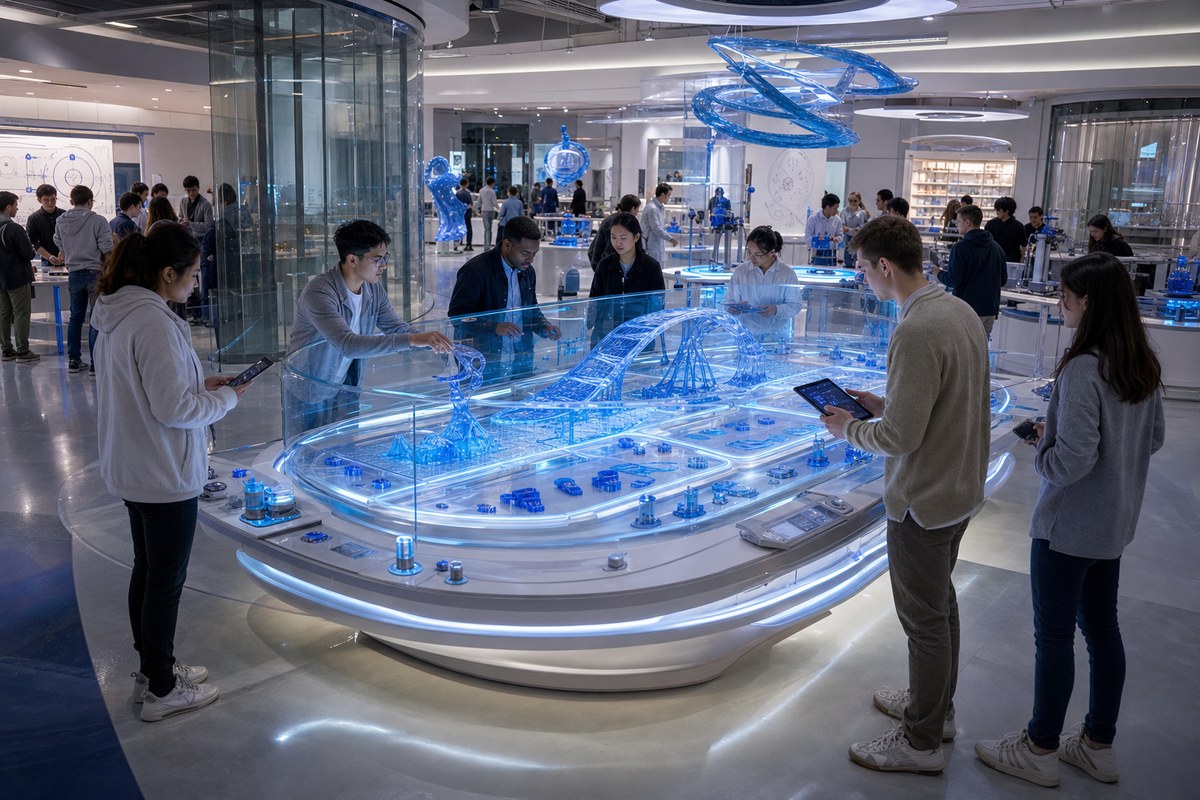
White Noise Inc.'s programmable matter story becomes hands-on design education, with students testing forms before they become products.
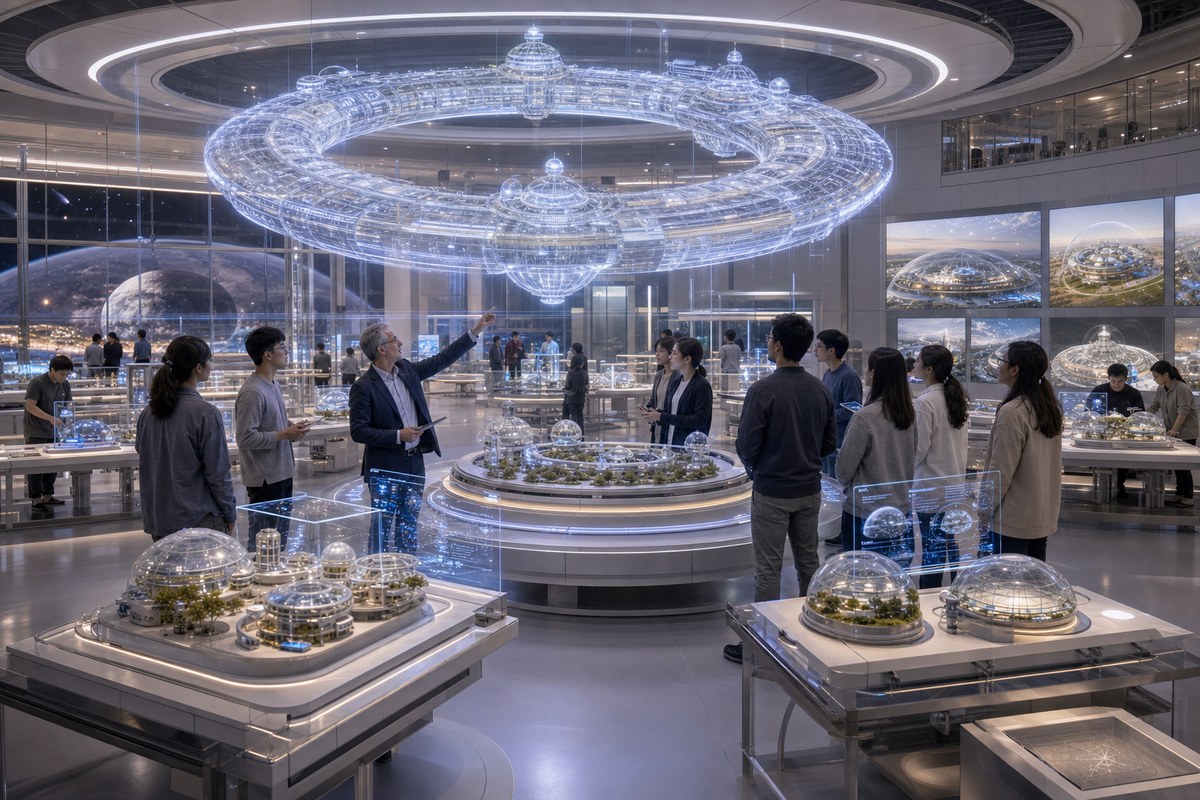
White Noise Inc.'s settlement architecture curriculum is shown as studio critique, where students model habitats at civilization scale.
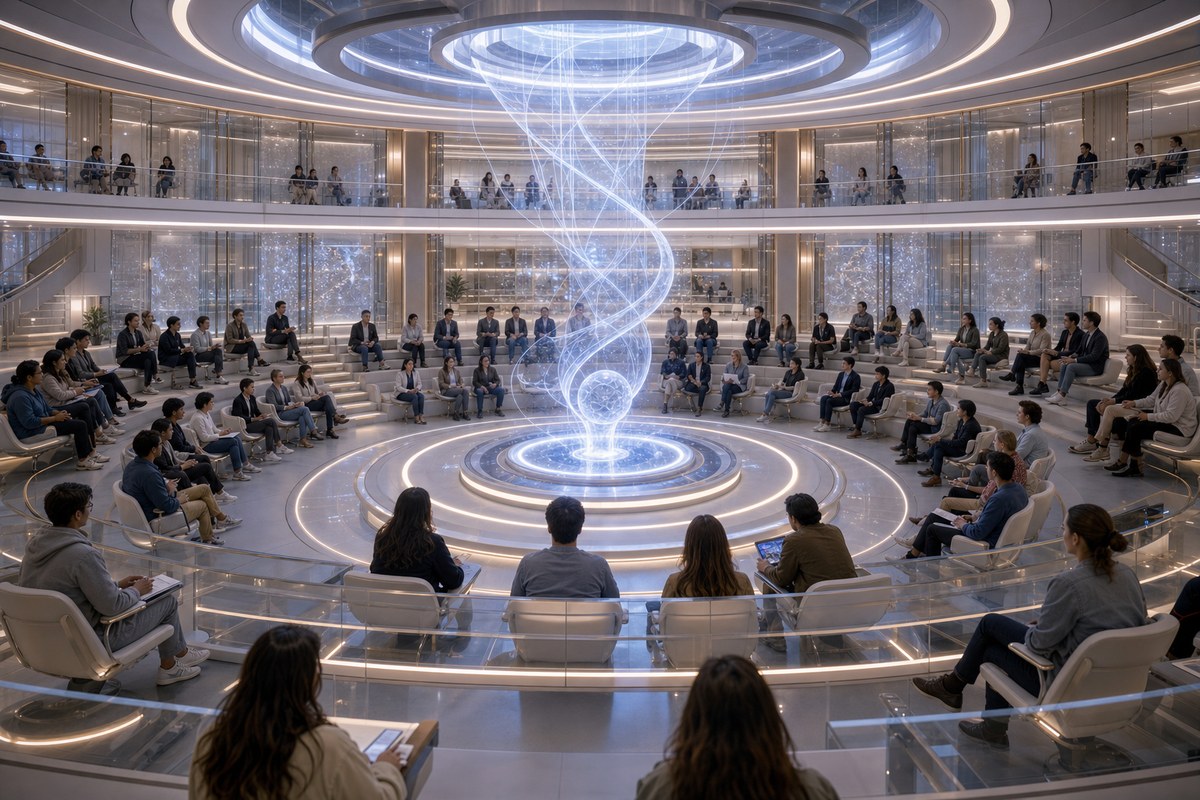
White Noise Inc. gives superintelligence governance a public classroom where technical ambition must answer civic questions.
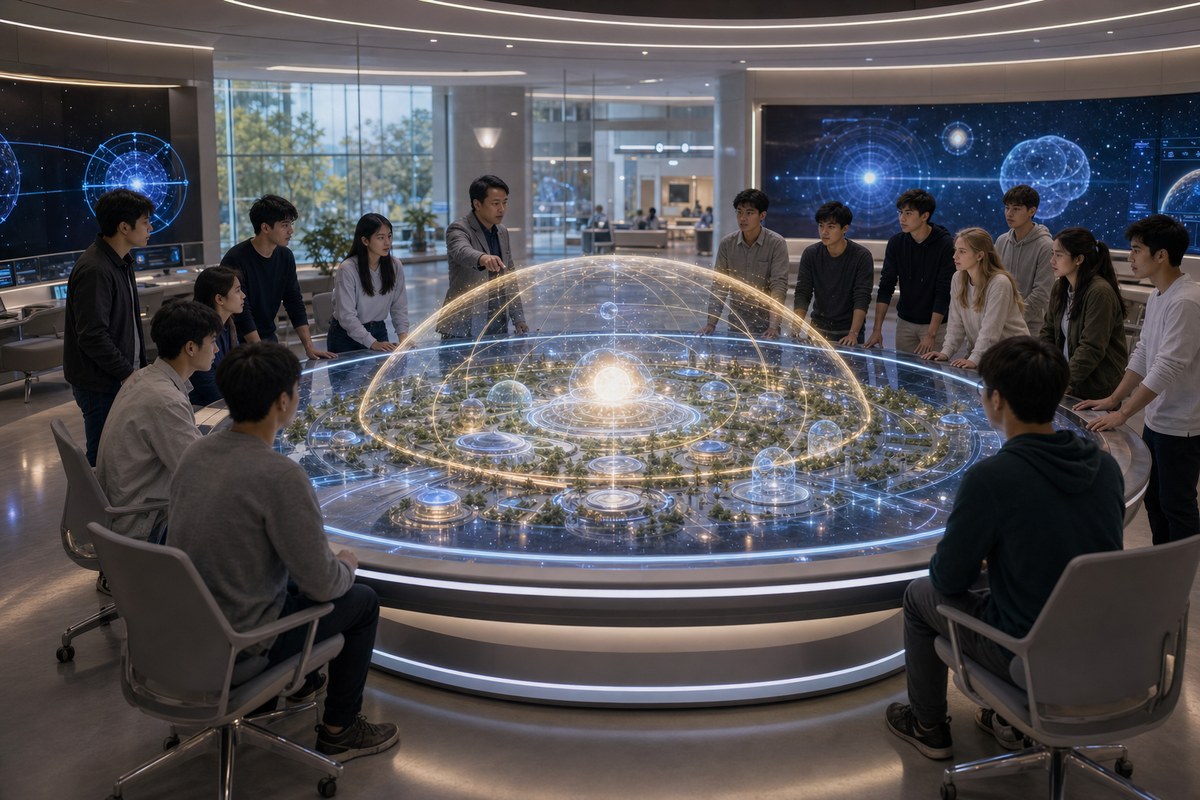
White Noise Inc.'s defensive and environmental systems are taught through shared simulations rather than abstract diagrams alone.

White Noise Inc.'s restoration agenda becomes a living lab where students learn climate repair in contact with plants, water, and sensors.
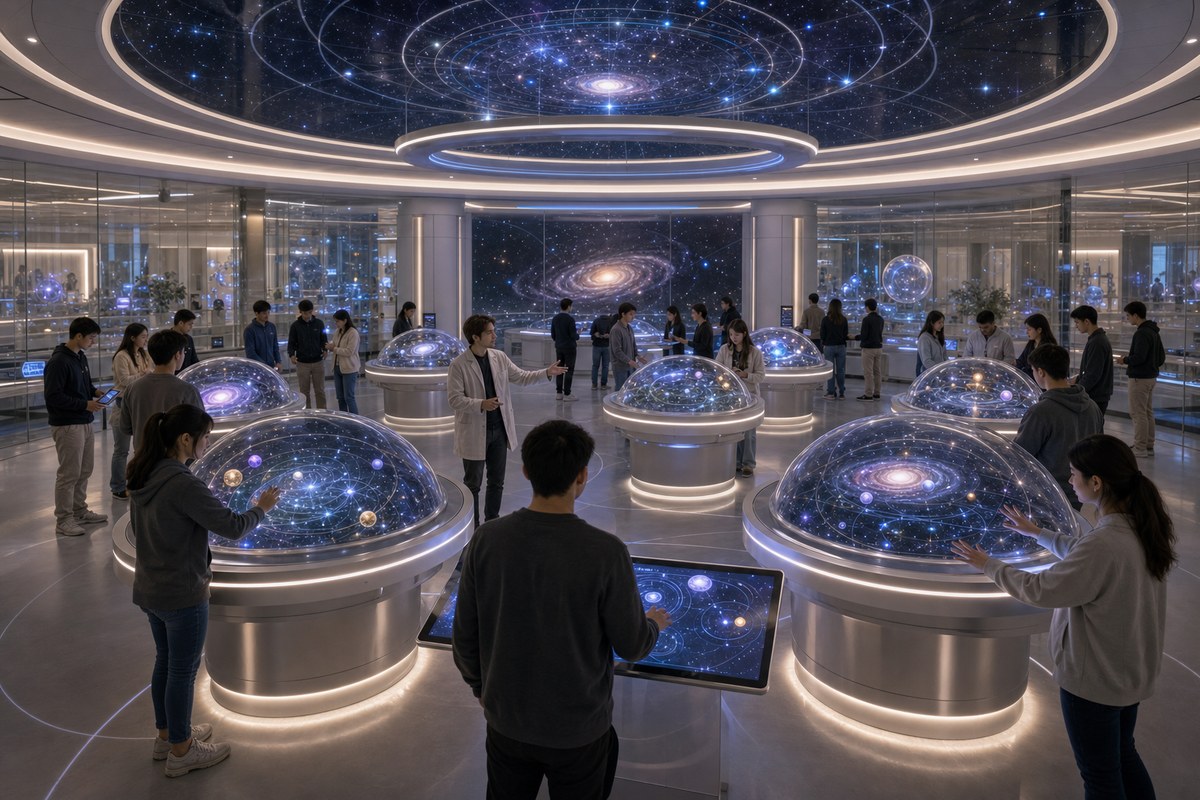
White Noise Inc.'s W.N. Verses platform is translated into education around simulation, world rules, ownership, and responsible creativity.
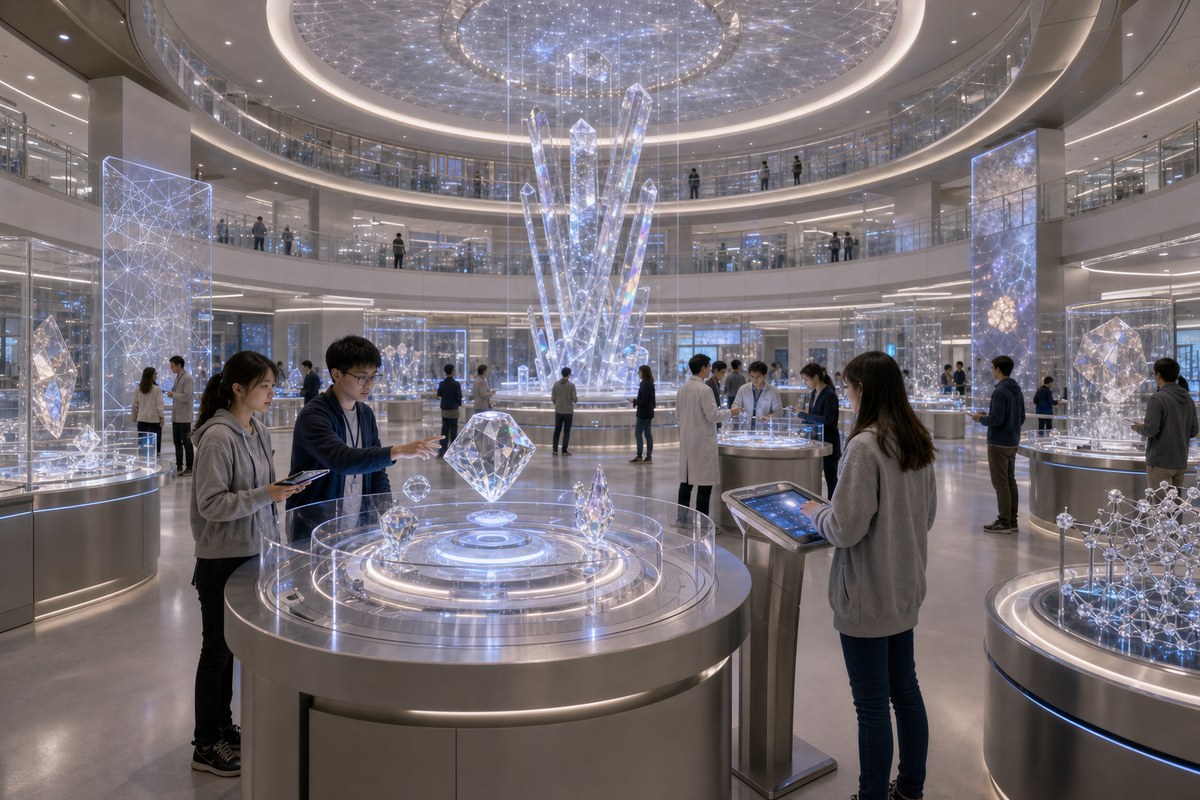
White Noise Inc. uses material exhibits as teaching tools, making speculative properties visible enough to question and refine.
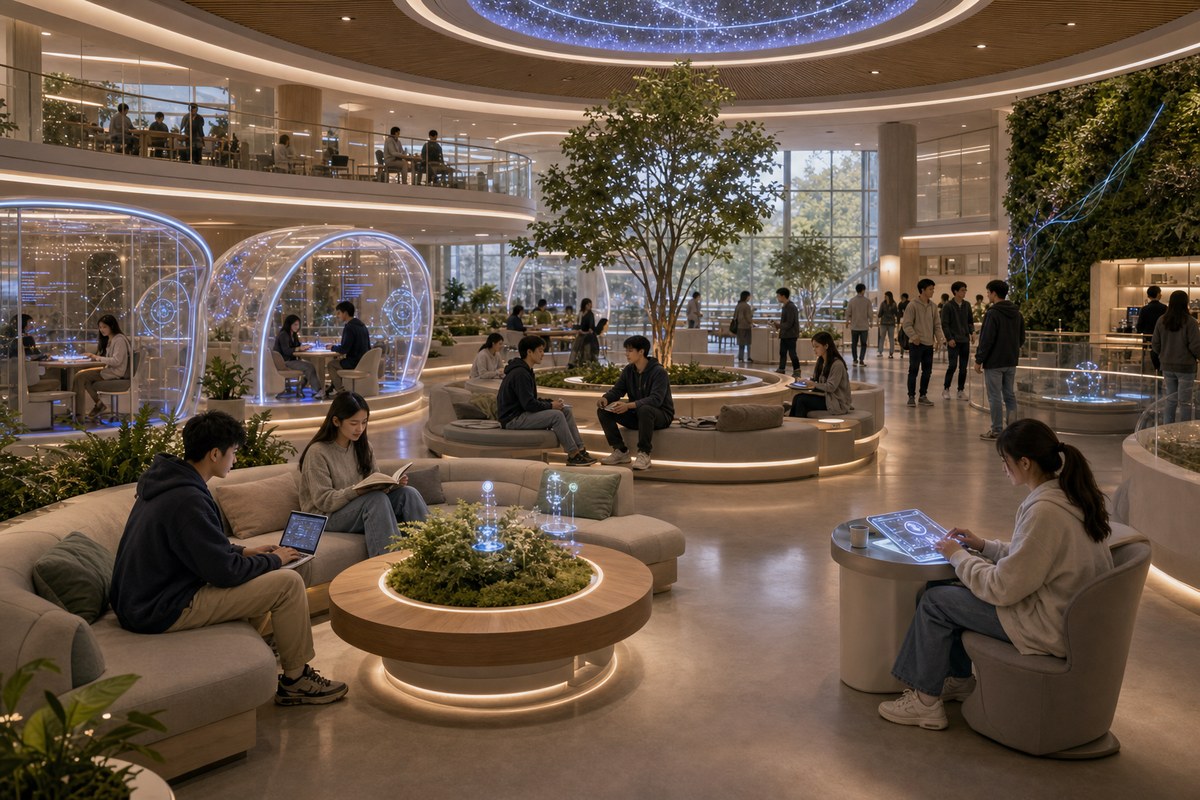
White Noise Inc.'s WNU plan treats student belonging, mentorship, and focused study as core institutional infrastructure.

White Noise Inc.'s open-protocol strategy becomes a shared room for standards, verification, and cross-school collaboration.
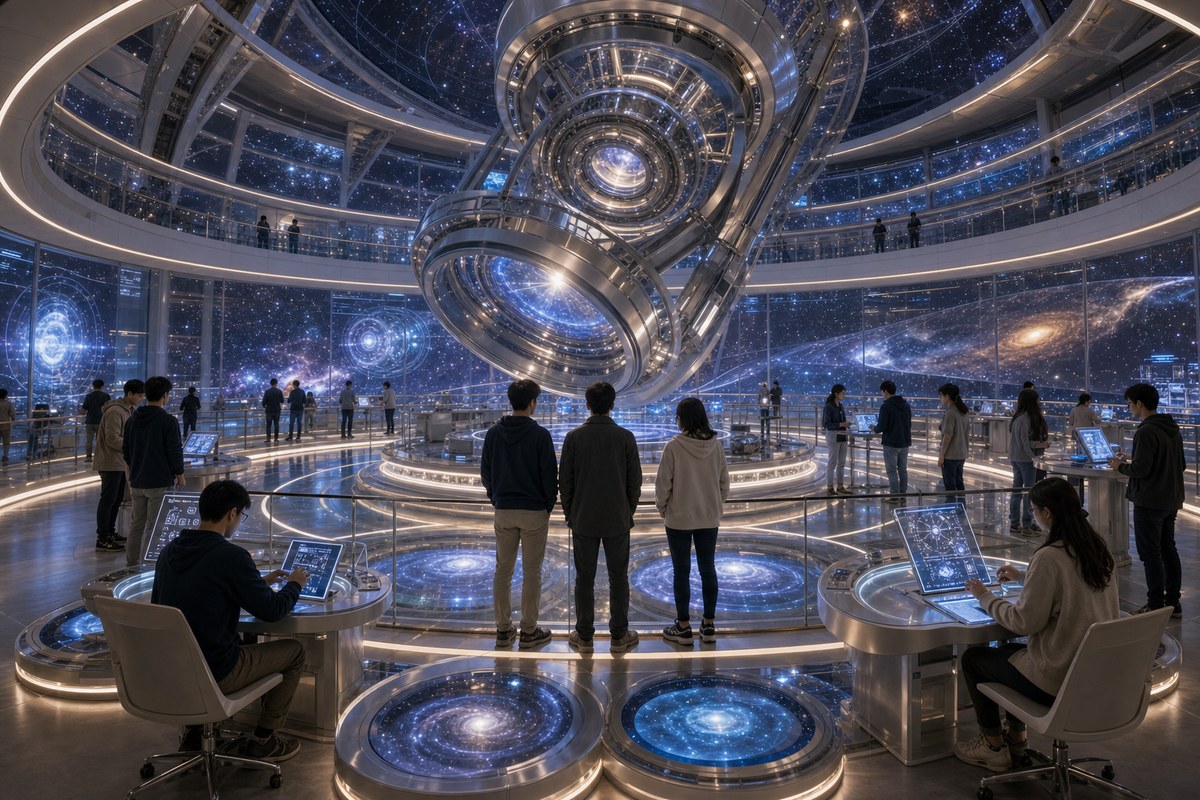
White Noise Inc. connects exploration to curriculum by putting cosmic-scale instruments inside the student research experience.
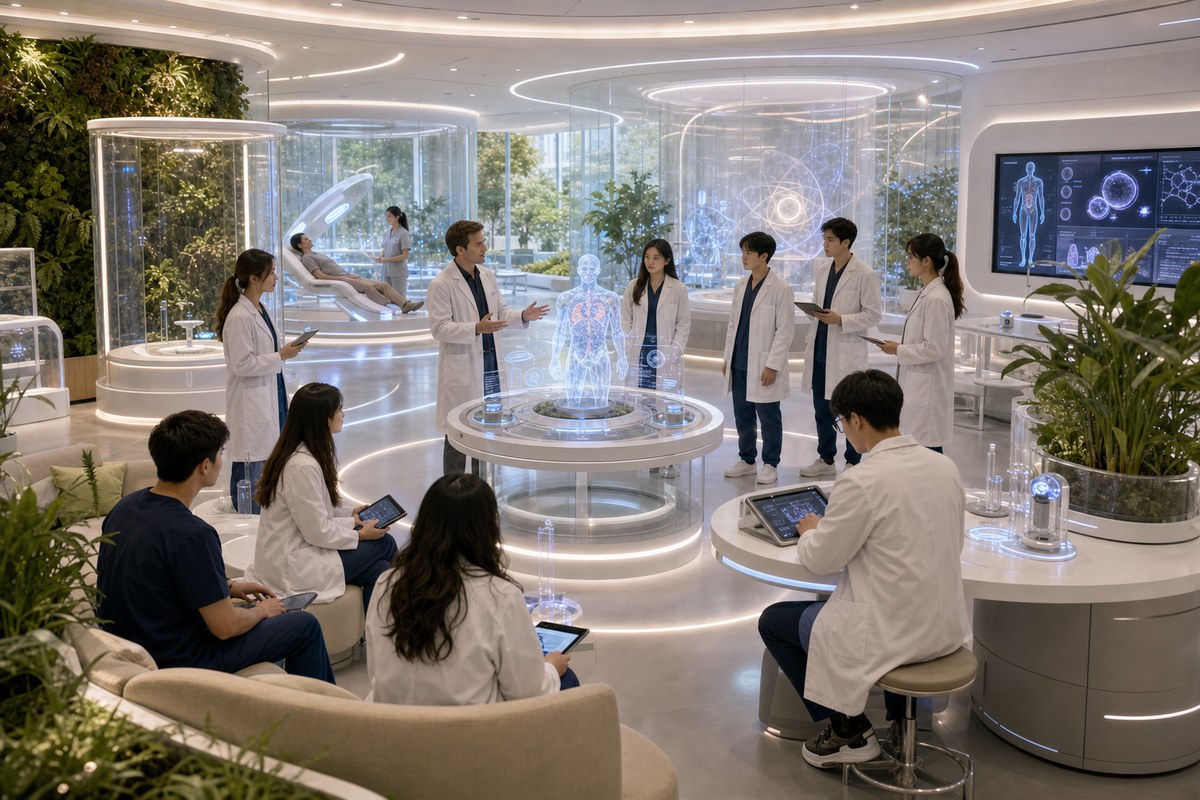
White Noise Inc.'s health curriculum is staged as a careful teaching clinic: regenerative ideas, safety culture, and student evidence work.

White Noise Inc.'s post-scarcity thesis appears as daily campus life: food, fabrication, conversation, and student invention in one commons.
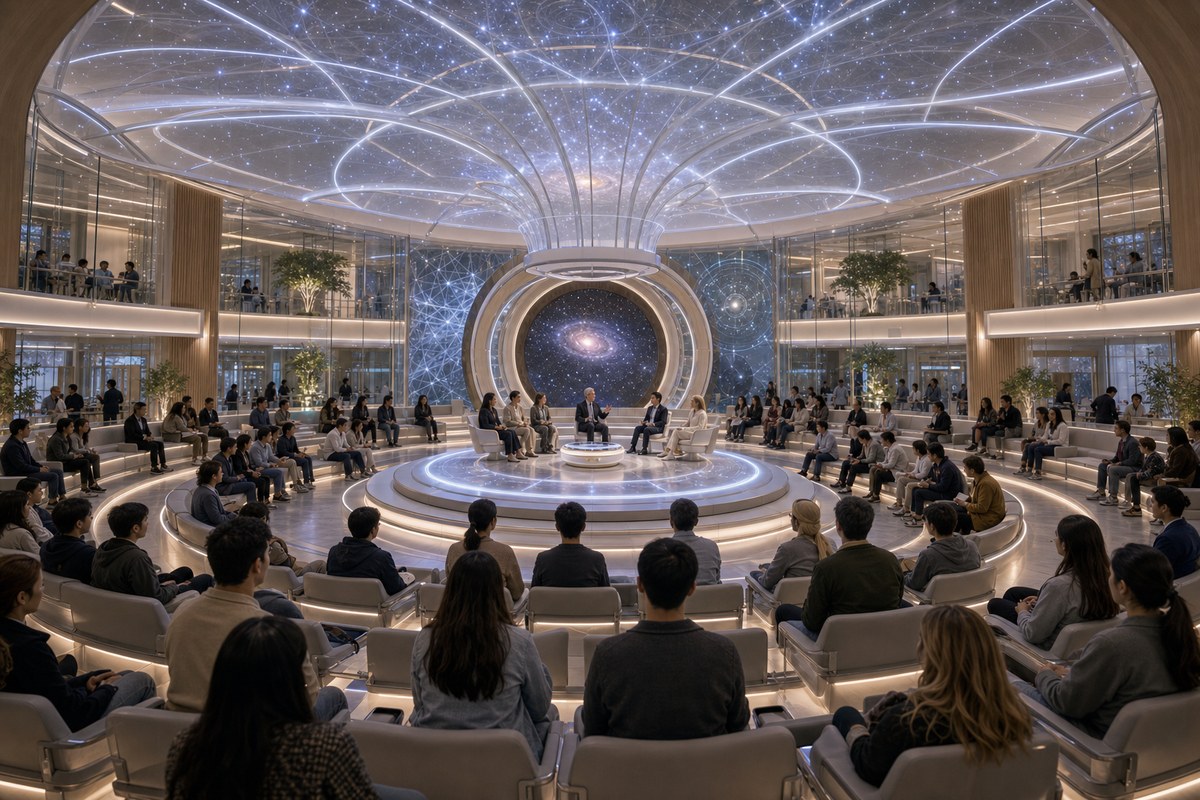
White Noise Inc. frames interspecies and intercultural diplomacy as a future-facing discipline with real convening architecture.
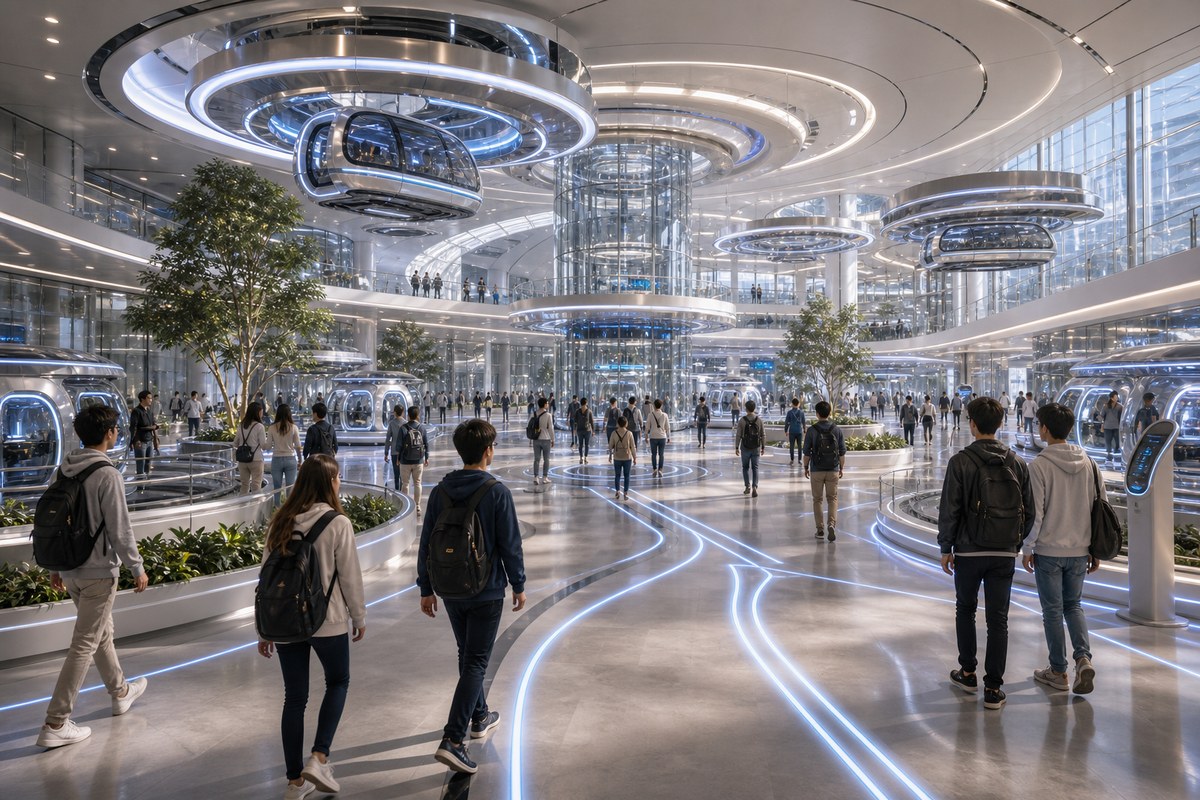
White Noise Inc.'s campus operations model links mobility, wayfinding, access, and institutional rhythm through one bright concourse.
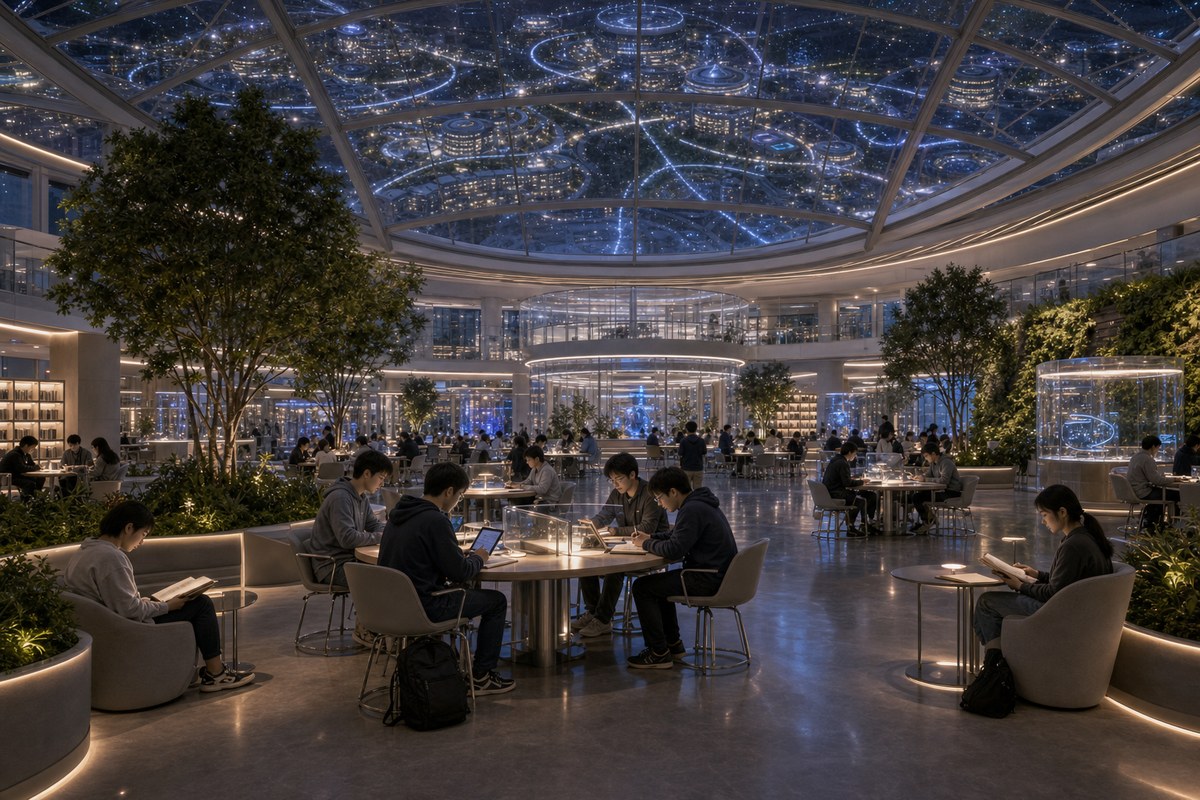
White Noise Inc.'s university vision ends the day in a lived-in way: students studying under the quiet glow of the WNU lattice.
WNU is not trying to be a slightly faster version of the same credential machine. It is designed around a different promise: frontier capability with academic discipline.
Students study the full Totality stack as one integrated map, from computation and synthetic biology to governance and post-scarcity economics.
Instead of passive lectures, students produce models, briefs, prototypes, ethics cases, simulations, and evidence portfolios.
Personalized AI tutors, study agents, and assessment loops help students move faster while making progress visible and reviewable.
The for-profit model lets WNU raise capital, build campus demos, recruit specialized faculty, and fund research with venture discipline.
Governance, outcomes, assessment, faculty qualifications, student support, and complaints are built as evidence systems from the start.
Students graduate with visible capability: portfolios, lab records, ventures, civic models, and research artifacts that prove what they can do.
The target is to establish White Noise University within five years, with the legal, academic, operational, and quality systems needed to pursue recognized accreditation responsibly.
Form the WNU entity, advisory board, academic mission, curriculum map, funding strategy, and jurisdiction-specific authorization plan.
Operate WNU Institute certificates, faculty fellowships, campus demos, assessment rubrics, and research funding programs.
Build degree proposals, faculty files, policies, library resources, student services, governance, financial plans, and regulatory applications.
Run internal reviews, outcomes audits, complaint systems, institutional research, program review, and eligibility work with a recognized accreditor.
Open as an authorized private university where permitted and pursue candidacy or accreditation status on the accreditor's required timeline.
A proposed university cannot ask visitors to trust a future promise blindly. WNU should show the operating model, the proof surfaces, the safeguards, and the next action for each audience by publishing artifacts that make authorization, student outcomes, and research quality reviewable as the institution is built.
The workbench below is the product discipline for the next phase: route every audience to a named binder, make cohort outputs inspectable, keep provenance receipts attached, and separate campus imagination from institutional authority.
Entity plan, board roles, jurisdiction path, policy map, complaint route, catalog language, and the claims WNU is not yet allowed to make.
Program outcomes, course maps from White Noise Totality, rubrics, portfolio standards, AI-tutor boundaries, and student work review cycles.
Faculty fellow briefs, lab safety standards, partner equipment needs, research methods, and the first WN Lab protocols fit for students.
Student support model, retention targets, research funding uses, capital plan, outcome reporting, and continuous-improvement cadence.
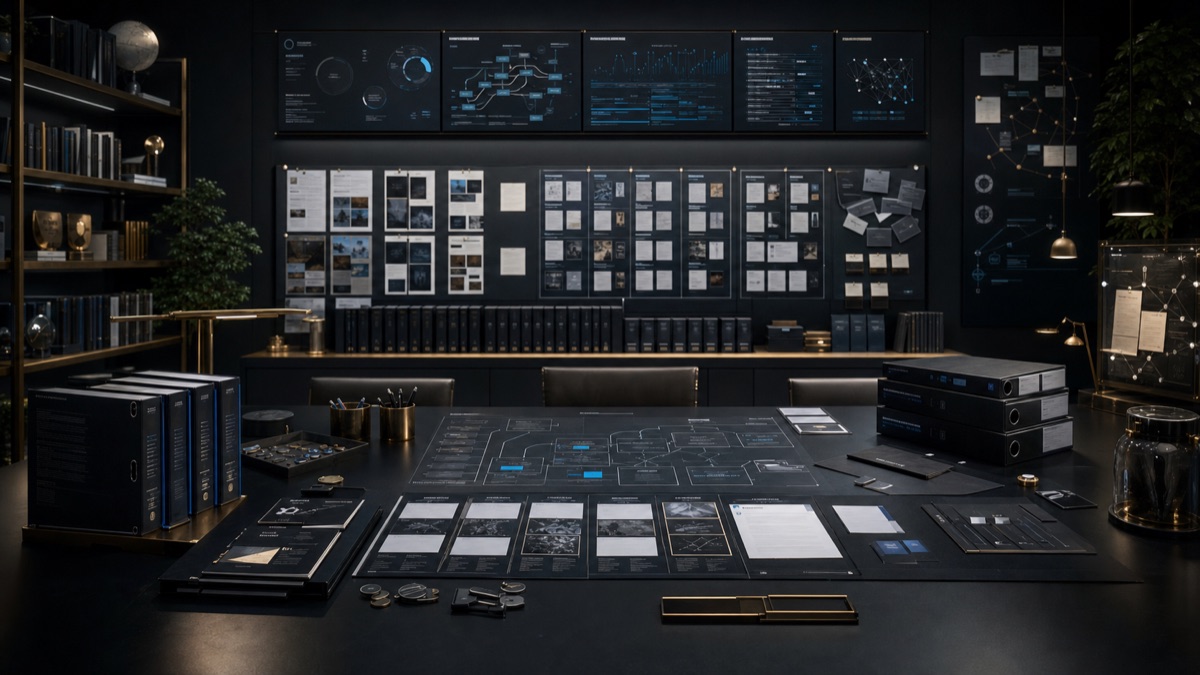
The GPT-generated visual is conceptual; the work it points to is concrete: binders, cohort artifacts, claim boundaries, and routed reviewer conversations. Review the image provenance record.
Support curriculum, faculty, policy, student outcomes, or lab-readiness work with a named evidence deliverable.
Learners Inspect the current AcademyStart with the live course corpus while WNU turns Academy material into governed university pathways.
Partners Map labs to student proofConnect WN Lab protocols to research studios, student portfolios, and safe public demonstration work.
Reviewers Request the readiness conversationRoute counsel, accreditation advisors, faculty reviewers, and institutional partners to the right first exchange.
The first public learning product should be smaller, sharper, and easier to review: a non-degree WNU Institute cohort that turns White Noise Academy material into supervised briefs, prototype reviews, and outcome evidence.
This keeps the ambition high while making the next conversion path concrete. Learners can enter a bounded program, funders can sponsor named outputs, and advisors can inspect the academic controls before degree authorization is pursued.
Seminar rhythm, critique rooms, public deliverables, and student support become visible operating evidence for the larger university plan.
For learners who want to turn the book, Academy, and Encyclopedia into citation-backed research maps, evidence binders, and public-facing explainers.
Open Academy baseFor builders and partners converting White Noise concepts into briefs, prototypes, safety cases, and commercial handoff documents.
Inspect product lanesFor sponsors, researchers, and faculty candidates shaping governance, stewardship, policy, and institution-scale learning around the Grand Challenge.
Review the challengeA disciplined map of what is known, assumed, speculative, and out of bounds.
A funder- or reviewer-ready brief with sources, constraints, and next tests.
A visual or operational artifact critiqued against safety, use, and feasibility.
A student outcome record that can support future authorization evidence.
The accreditation path starts long before an application. WNU has to prove governance, faculty quality, curriculum coherence, student support, assessment, financial capacity, transparency, and continuous improvement.
The plan is to build an evidence machine: every policy, course, lab, student record, complaint process, and assessment cycle can be inspected, improved, and submitted when WNU is ready to seek institutional recognition.
Each school draws its courses straight from the eleven parts of White Noise Totality and points at one or both Grand Challenge directions — outward toward Type III, inward toward Omega-minus.
WNU needs research funding now: curriculum architecture, faculty fellowships, campus demos, authorization work, accreditation readiness, student outcome systems, and the first research labs for White Noise Totality subjects.
Funding inquiries are saved to the CMS inbox in this browser demo. If live delivery is unavailable, use the main contact route so the request stays inside a dated public intake surface.
The first task is not to claim legitimacy. It is to build the institution, fund the research, prove the outcomes, and earn the trust.