Start with provenance
Each entry is useful only if the reader can find the source, medium, authoring institution, and historical context behind it.
 White Noise Inc.

This page gathers the public record around remote viewing: supportive experiments, government archives, critical papers, independent evaluations, participant video context, and declassified image artifacts. Each item is sourced and characterized so the evidence can be inspected without pretending the field is settled.
White Noise Inc. treats remote viewing as a serious research question with historical evidence streams, not as settled fact. The strongest page is the one that shows the signal, the counter-signal, the source, and the caveat together.
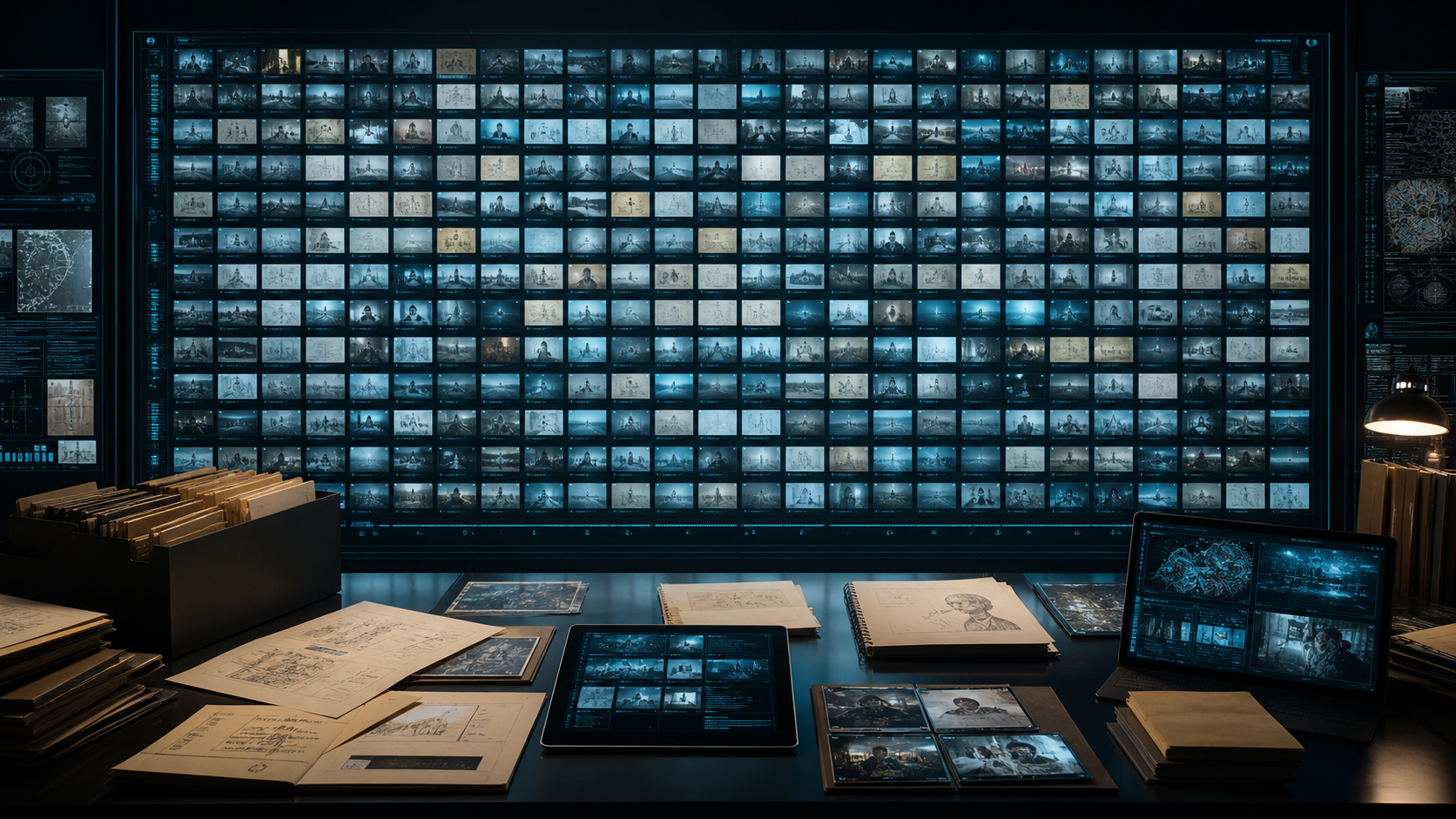
The strongest evidence products use a visible method: plain-language status, searchable records, disclosed uncertainty, and a next experiment. This page now opens the archive through that lens, so readers can separate historical documentation from statistical signal, testimony, critique, and modern test design.
Each entry is useful only if the reader can find the source, medium, authoring institution, and historical context behind it.
A declassified sketch, a peer-reviewed article, a skeptical rebuttal, and an interview do not carry the same evidential weight.
Target blinding, judging separation, timestamp custody, and cue audits decide whether an apparent hit can survive scrutiny.
The responsible conversion is a smaller protocol: preregistered target pools, independent scoring, full data release, and repeat teams.
A remote viewing archive should not flatten everything into one bucket. A CIA session sketch, a Nature paper, a skeptical replication critique, and a YouTube interview are different kinds of evidence.
These records report positive effects or argue that statistical evidence remains after ordinary explanations are considered.
These records test whether the signal survives better controls, independent replication, and adversarial analysis.
These prove a program and record existed, but often separate laboratory effect claims from operational usefulness.
These help explain the people, claims, and methods, while carrying lower evidential strength than controlled studies.
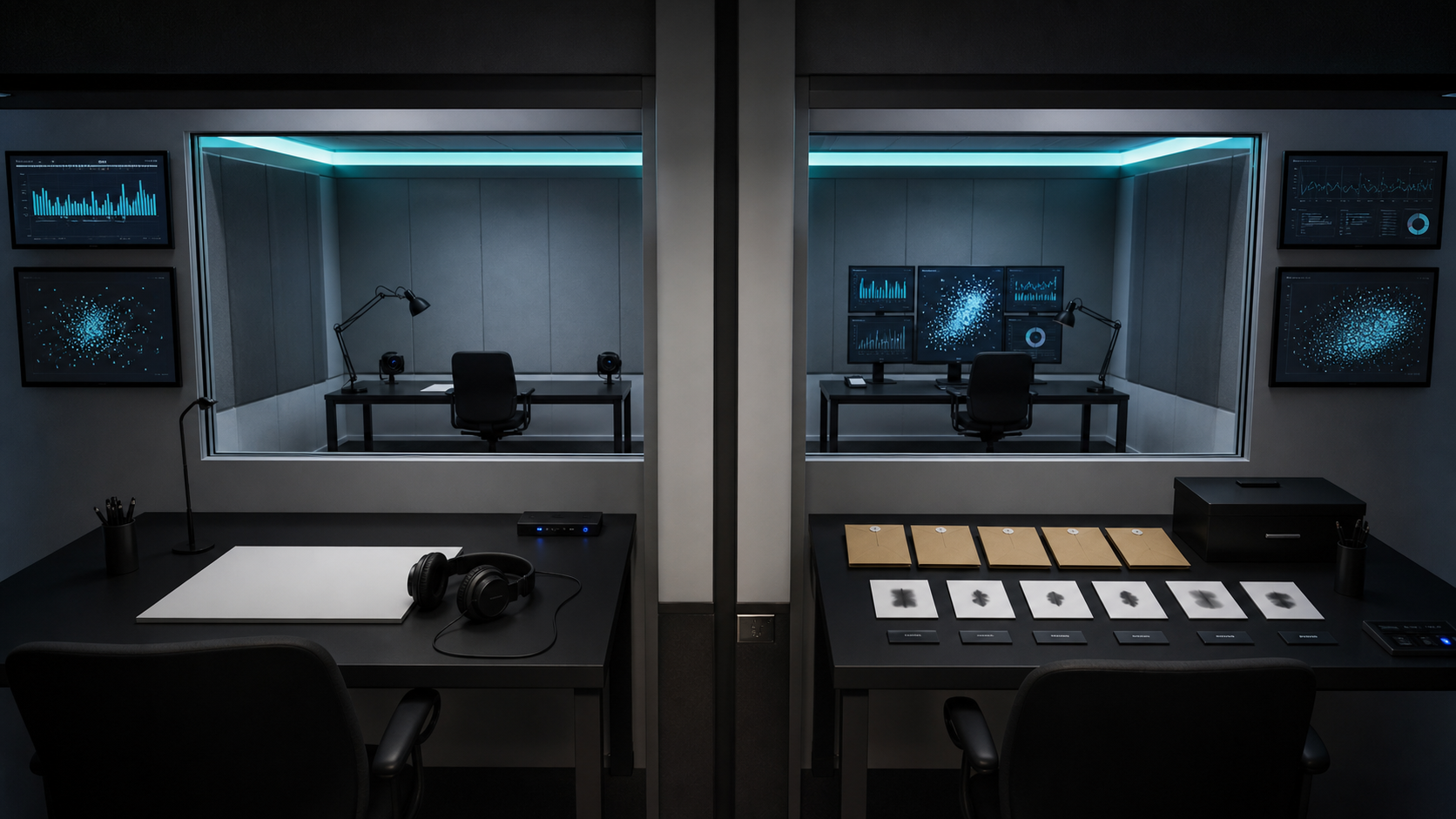
For this page, evidence is weighted by what it can actually support. A source can prove historical existence, suggest a statistical anomaly, document a claimed hit, expose a control failure, or show why further testing is justified.
Targets, viewers, judges, and timestamps need separation strong enough to survive cueing analysis.
Every record links back to its paper, archive, evaluation, video index, or document source.
Records are marked supportive, skeptical, mixed, context, or protocol so readers know what role they play.
Even a strong record is not a mechanism. Remote viewing remains anomalous, debated, and in need of better tests.
The full archive below expands these streams into 1,000 characterized records. These eight show the shape of the debate: supportive early reports, critical cueing analyses, declassified program material, and independent assessments.
Supportive does not mean decisive. Skeptical does not mean irrelevant. Mixed records often prove a program existed while leaving the realness claim unresolved.
Early sensory-shielding paper reporting above-chance information transmission.
Source DOICueing critique arguing that sensory information invalidated early positive findings.
Source DOIDeclassified program archive with memos, scans, session records, and sketches.
Source archiveIndependent evaluation separating statistical claims from intelligence usefulness.
Source PDFStatistician Jessica Utts argued evidence for psychic functioning exceeded chance.
Source PDFRay Hyman's critique emphasized inference limits, replication, and methodological standards.
Source PDFSupportive free-response psi meta-analysis, relevant but debated.
Source DOIReplication-focused critique of anomalous information transfer.
Source DOIThe archive is a review index generated from a transparent source registry. Each row carries a source URL, medium, stance, strength, claim, caveat, and characterization.
The page source registry intentionally includes supportive, skeptical, mixed, protocol, and context sources. That is the evidence character, not a weakness.
The responsible next move is not louder certainty. It is preregistered targets, triple blinding, independent judging, leakage audits, full data release, and replication by teams with incentives to find failure.