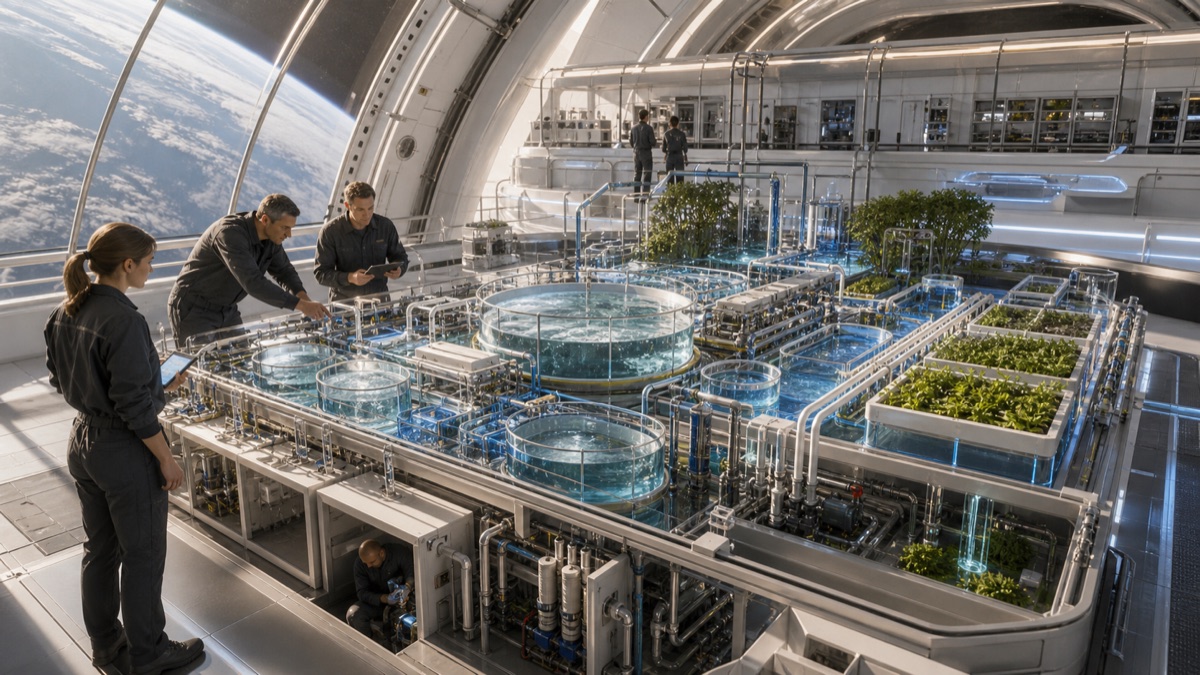
Water loop
Closed ecology must publish its accounting.
Water, food, waste, air, heat, and spare mass belong in a shared ledger before the self-sufficient story is allowed to scale.
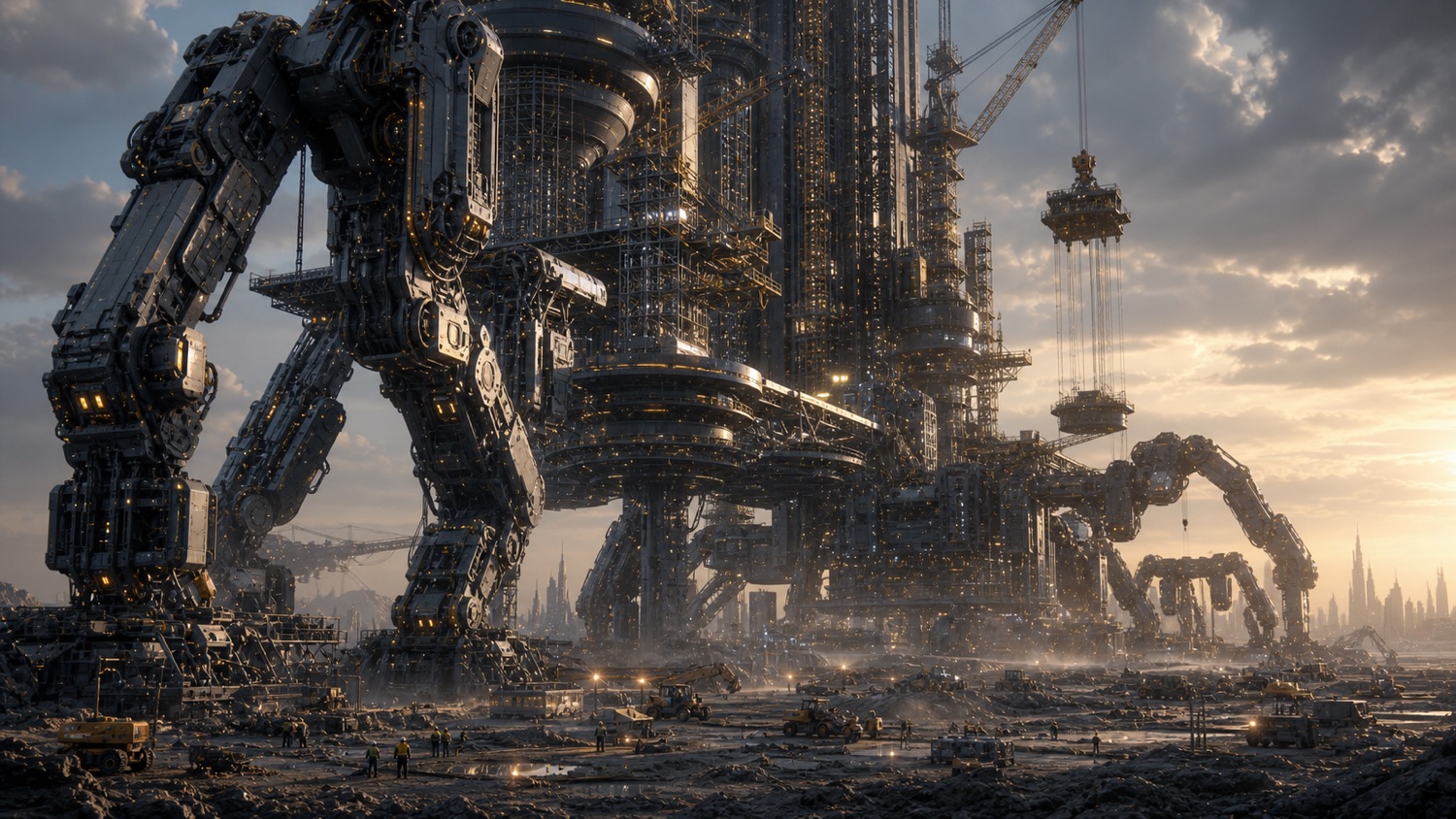
A speculative settlement thesis inside the White Noise canon. OSTSS imagines how self-building habitats, large-scale robotics, and closed ecologies might someday support communities of a hundred thousand residents, while the current site stays at the concept, editorial, and research-brief stage.
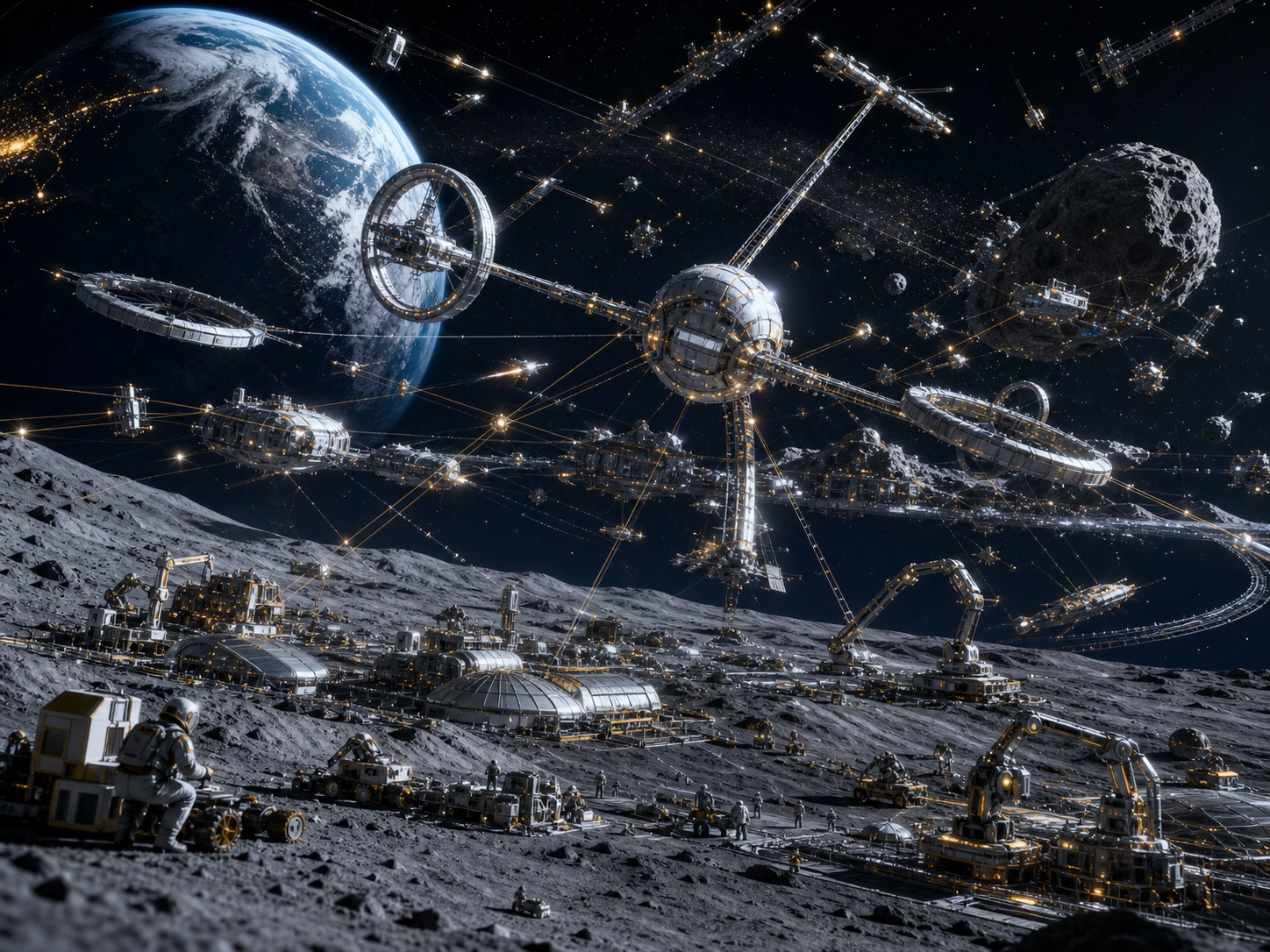
OSTSS needs a clear status front door: what is active, what is evidenced, what is speculative, and what action comes next. The self-building settlement remains visionary without pretending to be deployable.
OSTSS is a White Noise Totality infrastructure thesis: a settlement that grows from a seed and carries governance, ecology, and build logic together.
Rotating habitats and closed-loop systems are research-adjacent; autonomous self-replication at city scale remains the speculative boundary.
Credible work begins with habitat modeling, life-support ledgers, in-situ construction logic, governance controls, and risk registers.
Readers can move into science, lab protocol, R&D scoping, or Exchange dossiers without decoding the whole universe first.
The settlement thesis is not only about living in space. It is about making civilization replicable: builders that make builders, habitats that close their own ecologies, and governance that travels with the architecture instead of arriving later.
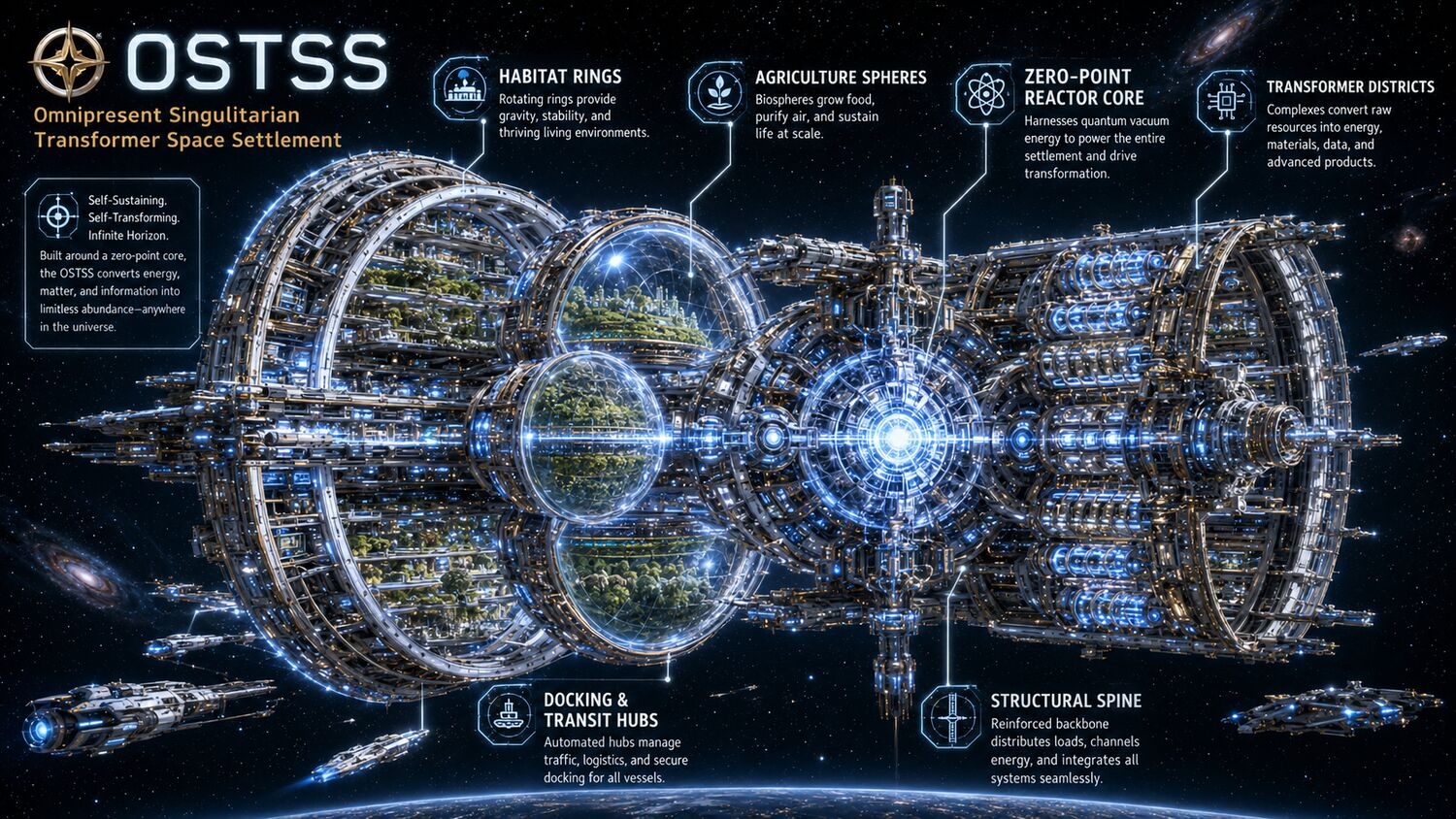
OSTSS — Omnipresent Singularian Transformer Space Settlements — are the physical body of the White Noise vision. Each begins as a compact seed of nanobots, transformer chips and computer interfaces, small enough to deploy almost anywhere.
From that seed, self-replicating builders raise an autonomous habitat for a hundred thousand residents — complete, livable, and self-governing in months rather than decades.
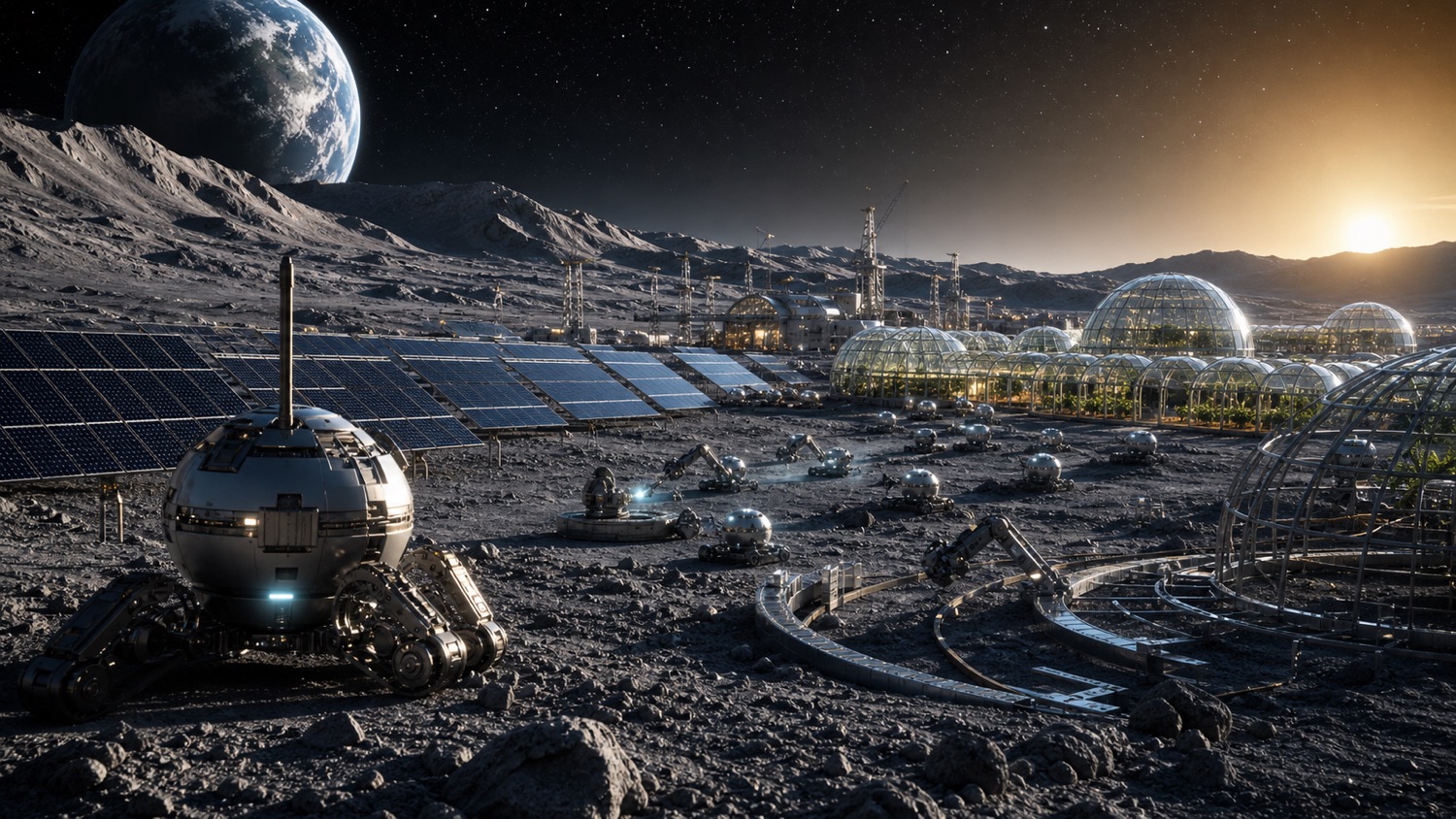
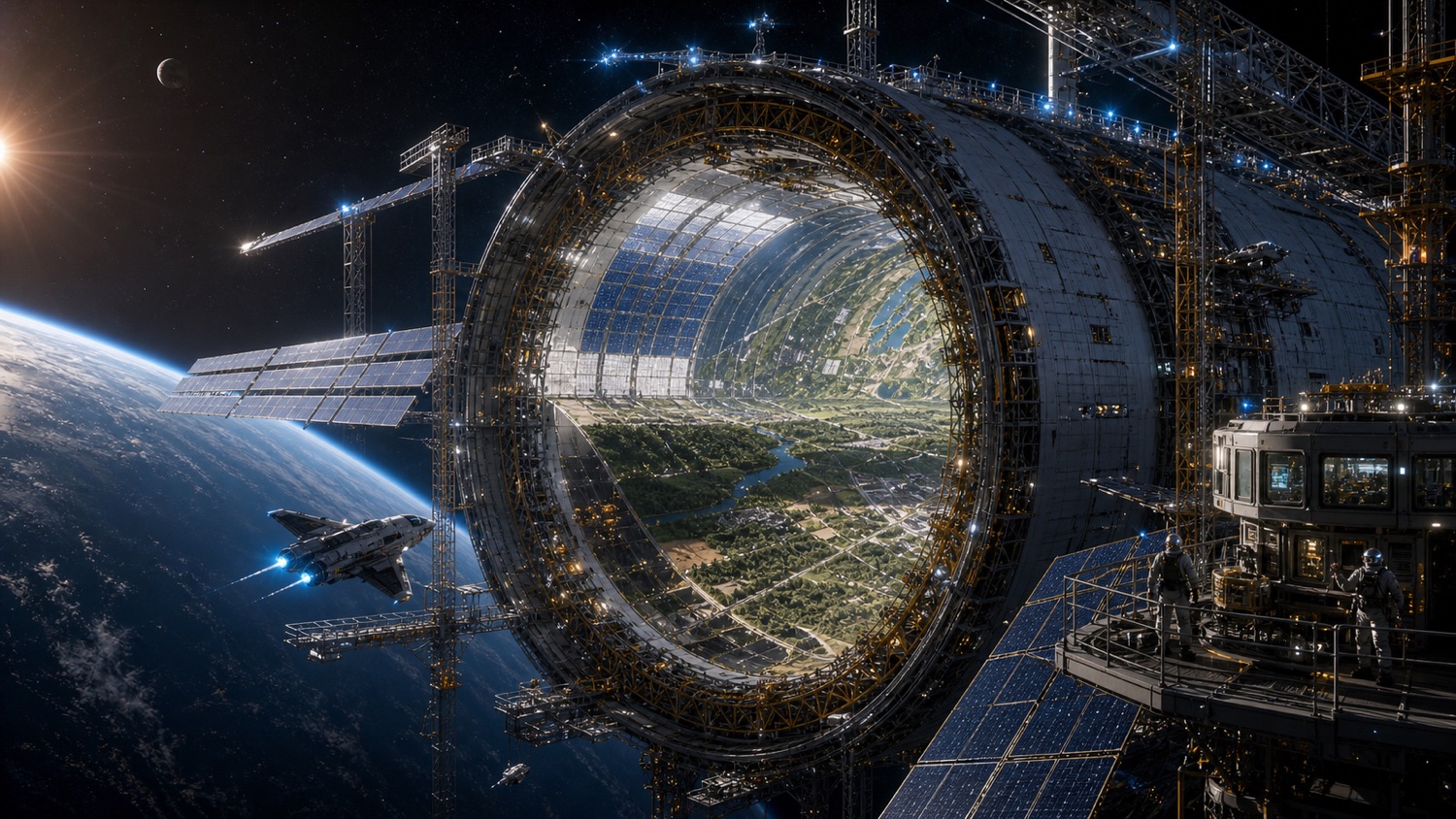
Self-replicating nanobots work from the molecular scale upward; planet-scale macrobots assemble the megastructure itself — rotating habitats, sealed ecologies, and the spin that gives residents weight. The same logic that lets the Replicator compile matter lets a settlement compile itself.
Capacity compounds: every builder can make more builders, so a single deployment becomes a construction force the size of a city.
The surface of Mars, the clouds of Venus, the void between stars: OSTSS imagines how a settlement seed might close its own ecology over time. The page treats design, launch, and governance as speculative thesis work rather than a deployed system.
Image provenance: OSTSS visuals combine editorial illustration and generated civic-ledger scenes used to clarify life-support, emergency, and governance concepts. Key local assets include assets/encyclopedia/generated/habitat-air-ledger.jpg, assets/encyclopedia/generated/settlement-water-table-ledger.jpg, and assets/encyclopedia/generated/habitat-seed-governance.jpg. Review the provenance record.
It is the structured pathway from a single planet to a Type II Kardashev civilization: not one colony at a time, but a self-extending frontier.
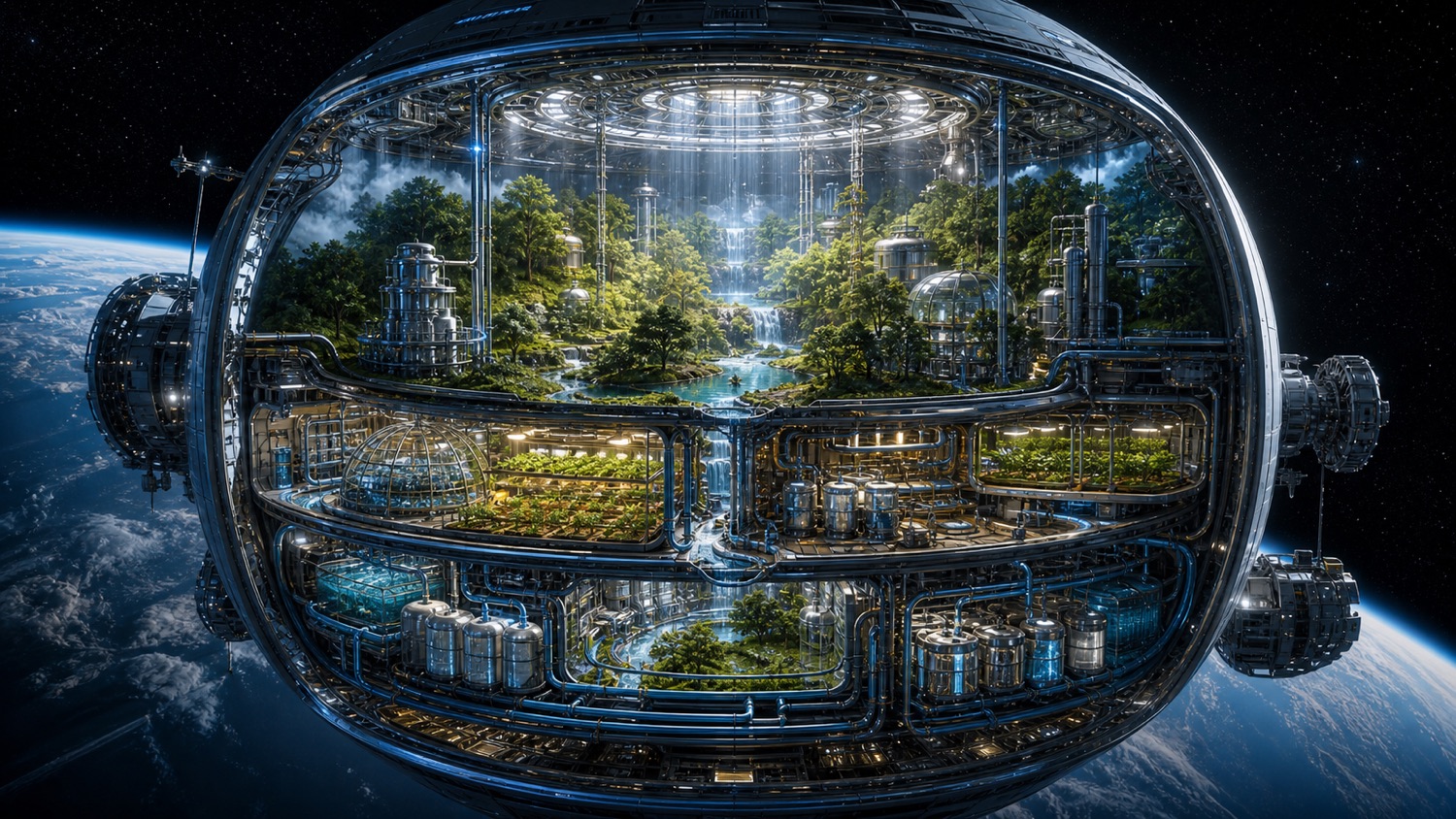
A settlement that builds and runs itself anywhere is one of the boldest ideas in the architecture, so it invites the most honest questions. Here are the plain answers.
No. WN OSTSS is a speculative thesis from the book White Noise Totality — a credible direction explored openly, not a settlement you can deploy or a program running now. We say so plainly rather than dressing a concept up as a release.
Rotating habitats, closed-loop life support, in-situ resource use and additive manufacturing are established or actively researched engineering. The leap — a compact seed that self-replicates an entire settlement and closes a complete ecology with no central control — is the speculative part. We keep that line visible.
No. A colony is built piece by piece and shipped out. OSTSS is meant to grow from a seed, design and launch and manage itself, and extend the frontier on its own — settlement as a self-replicating process, not a single megaproject.
You can mint a piece of the OSTSS dossier on the WN Exchange, read the editorial essays in the magazine, and learn the underlying ideas in WN Academy.
In the thesis the settlement leans on its siblings — the Replicator to compile the matter it grows from and the Computer to model and steer each self-design. Each flagship is one organ of a single body. See all 14 products.
Because an idea can be rich enough to learn from, create around, and pursue long before anything is built. The value here is the thinking — the wonder held beside the physics that disciplines it.
Three properties that turn space settlement from a century-long project into a deployment.
Nanobots and macrobots grow the habitat from a compact seed.
Deploys to planets, clouds, or interstellar space and closes its ecology.
Settlements are proposed as self-directed systems with governance and safety controls that would still need proof.
The strongest space and civic experiences show progress as proof, not atmosphere. For OSTSS, that means every imagined habitat needs a resident-facing packet: air, water, food, emergency drills, maintenance burden, and decision rights before the city becomes a promise.
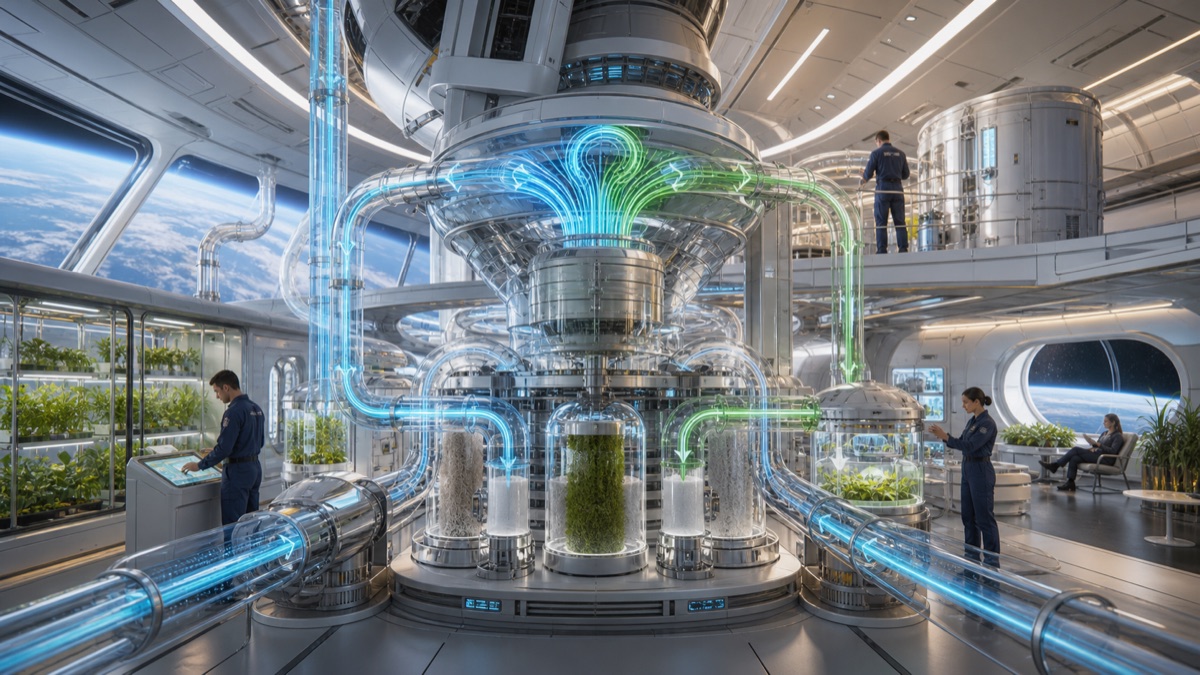
Water, food, waste, air, heat, and spare mass belong in a shared ledger before the self-sufficient story is allowed to scale.
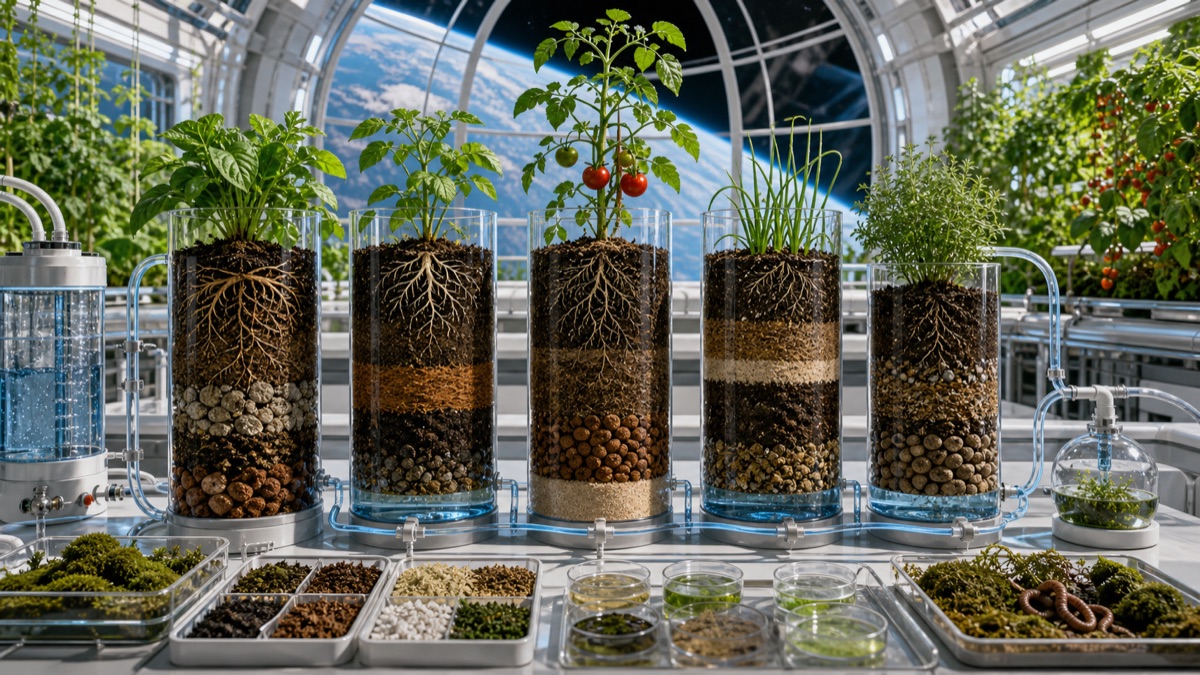
Soil, crop yield, microbial risk, seed stock, and fallback nutrition are acceptance criteria, not background scenery.
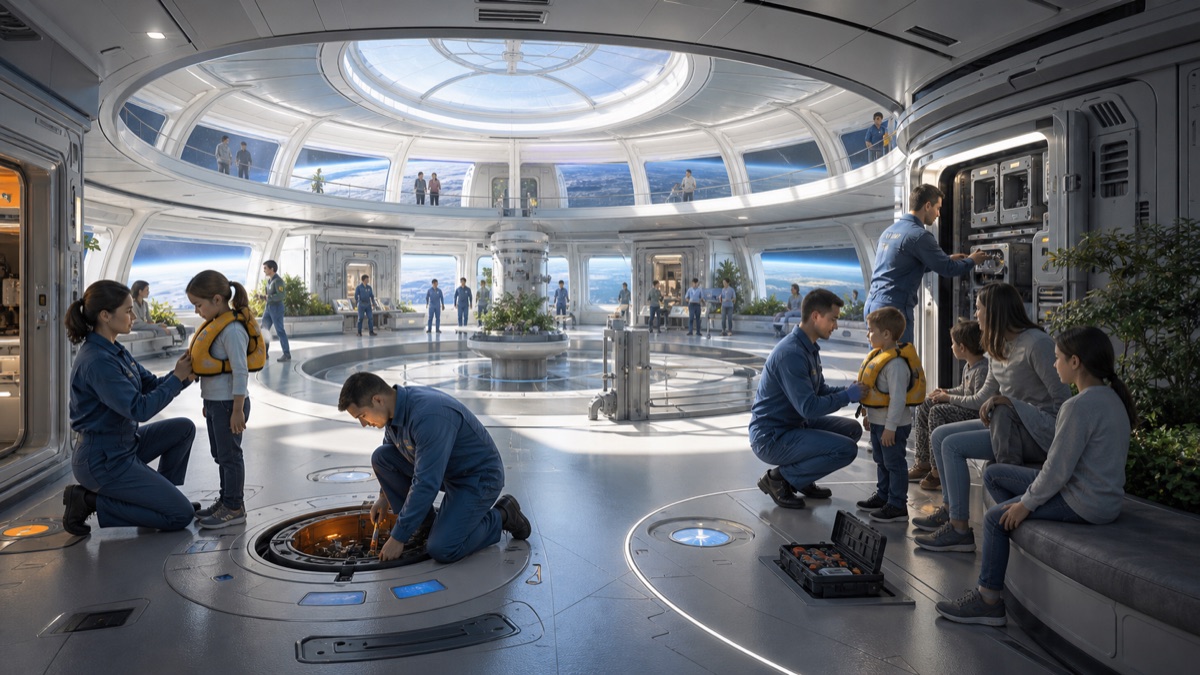
Every self-managing habitat still needs decompression, fire, isolation, medevac, and governance drills that residents can trigger and audit.
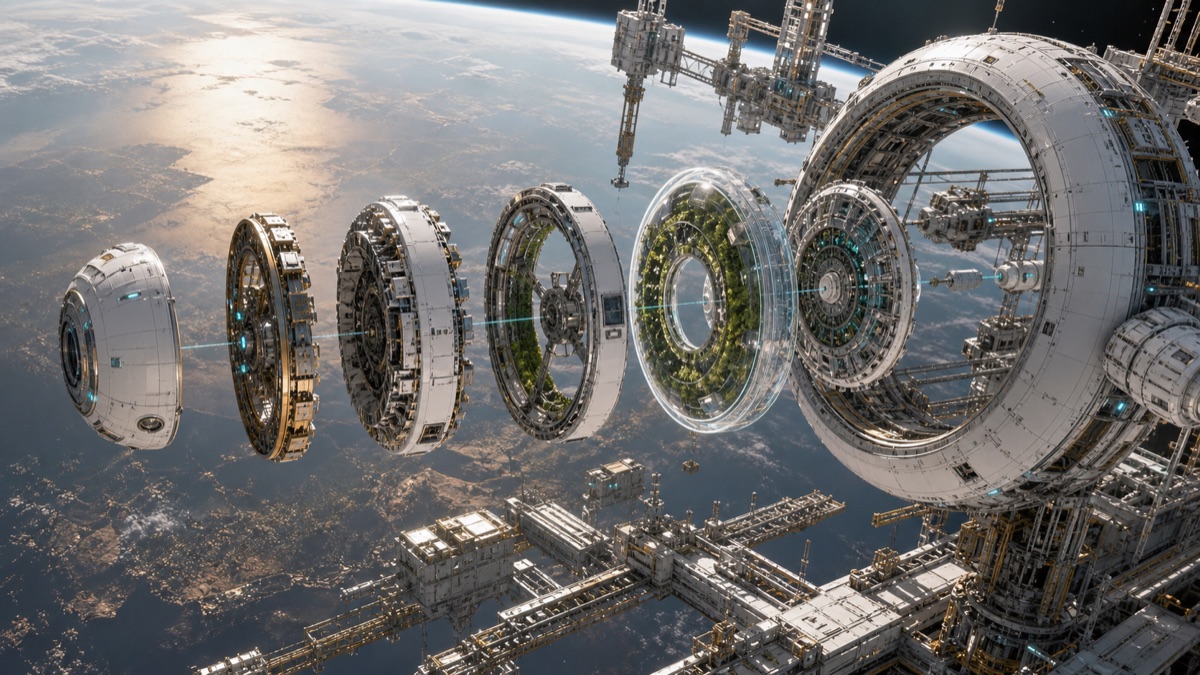
Consent, local veto, maintenance duties, public budgets, and exit rights travel with the seed before replication begins.
The flagship machines are easiest to understand through the editorial work that surrounds them — wonder beside constraint, ambition beside the physics that disciplines it.
How a compact seed becomes an entire settlement.
Rotating habitats and the engineering that makes them real.
Making a habitat that can sustain itself indefinitely.
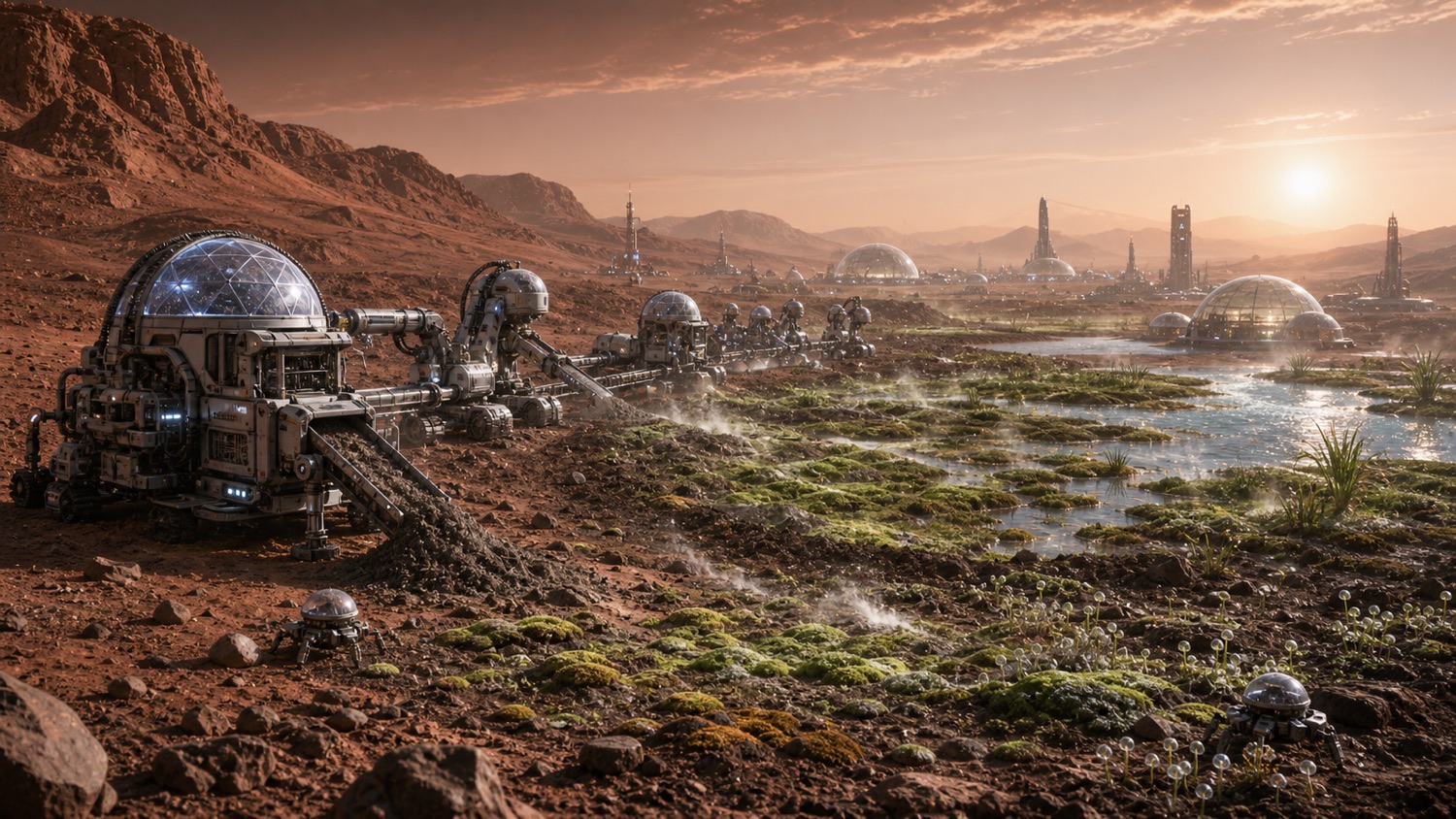
From barren worlds to living gardens.
From the seed that builds worlds to the credible megastructure — the essays behind self-building settlement.
Read the editorial work →Each flagship is one organ of a single body. Explore the others, or see all fourteen products together.
A machine that lives in the entanglement structure of reality itself.
A speculative matter-synthesis dependency that still belongs on the boundary ledger, not in present-tense infrastructure claims.
A catalog not of knowledge alone, but of all things that can exist.
OSTSS is strongest when it becomes one bounded decision: a subsystem to test, a governance question to review, or a settlement-risk memo to scope before anyone treats the thesis like deployable infrastructure.