Choose a product
Select a product to see the nearest artifact, page, and route.
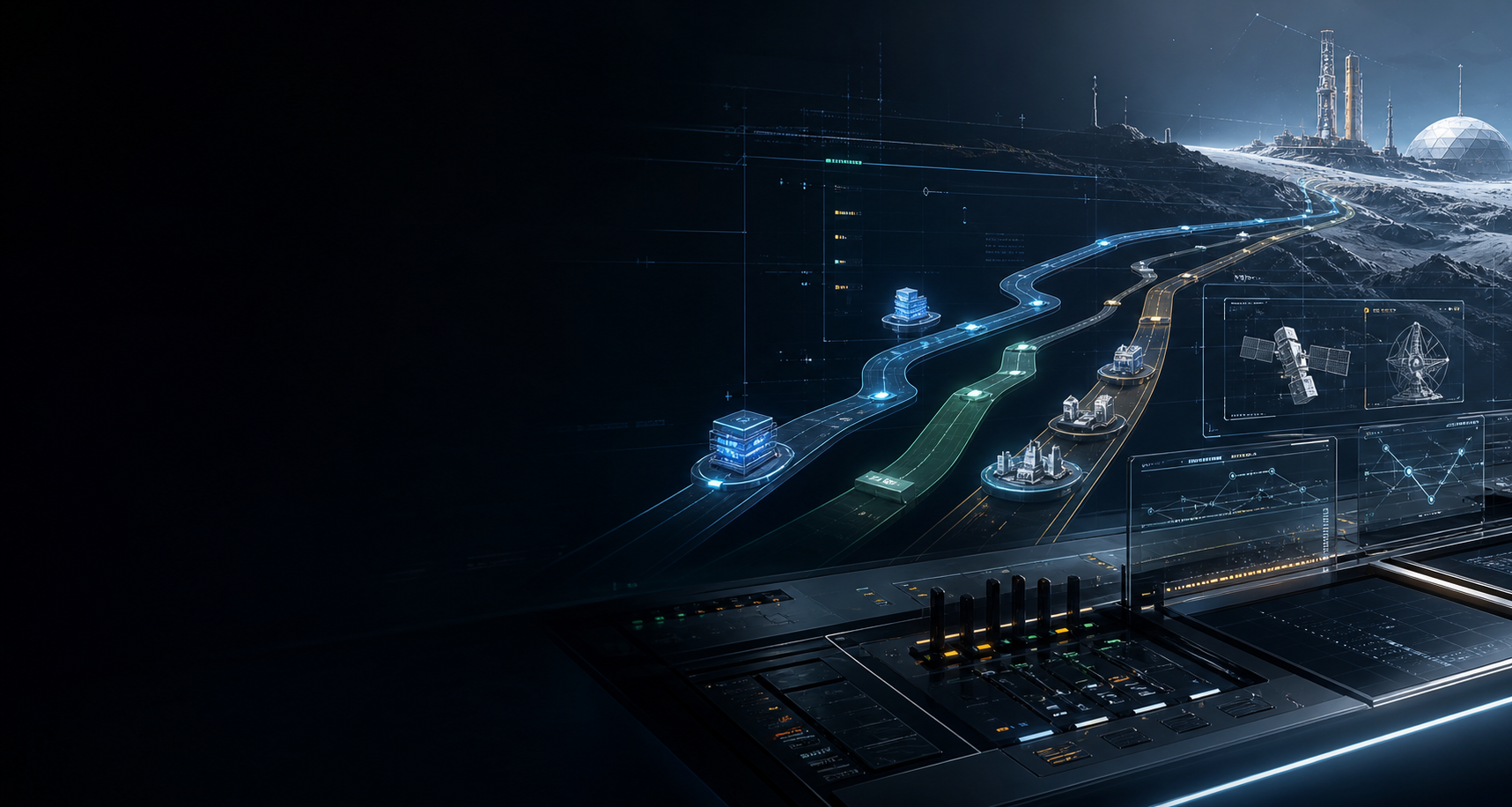
Fourteen frontier technologies organized as current utility, bounded R&D, proof boundaries, and first artifacts, so each big idea has a practical route into learning, diligence, or a scoped build.
The fastest catalog path is not the full stack. Choose the product, inspect the status boundary, then leave with a page, route, or scoped first artifact.
This does not imply that the full frontier stack is shipped, funded, validated, or ready for procurement. It narrows the next responsible action.
Search by product, status, current surface, or first artifact.
Select a product to see the nearest artifact, page, and route.
World-class product sites do not ask visitors to admire complexity. They show the object, name its status, expose the proof path, and make the next action obvious. This studio layer gives every WN technology that same operating rhythm, with member workspace acting as the first prototyping surface before Products or Services take over.
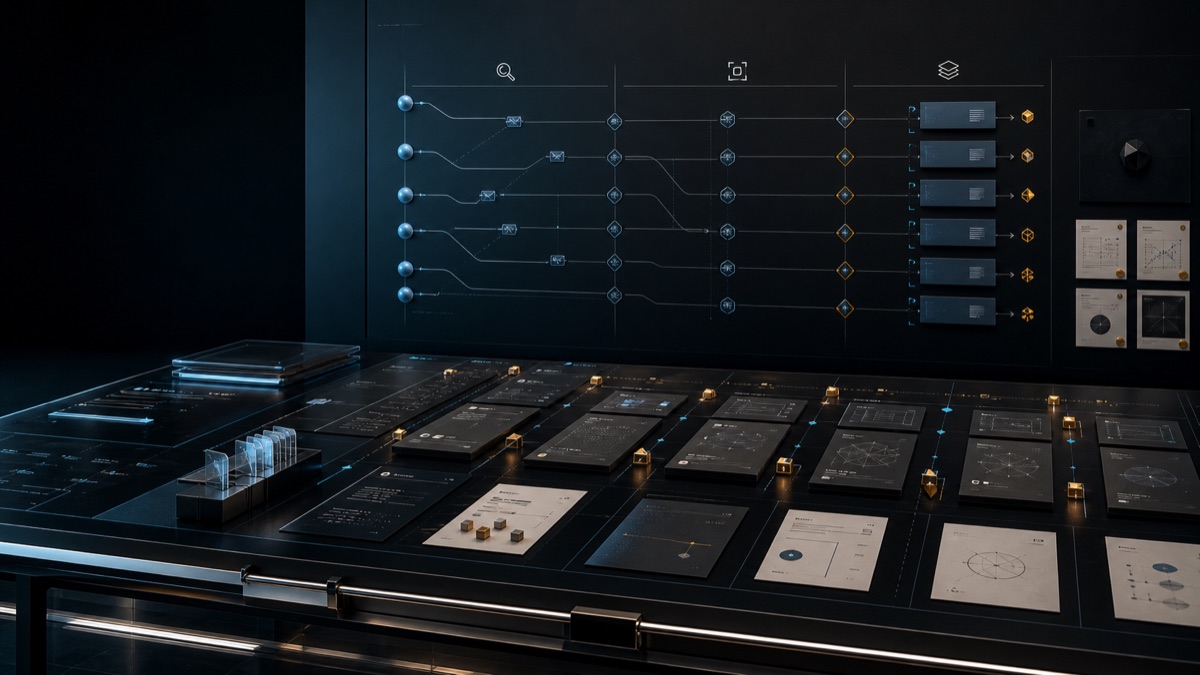
Anchor the conversation in compute, matter, knowledge, settlement, health, intelligence, or frontier worlds, then let member workspace shape the first prototype artifact.
Pair the canonical thesis with field notes, feasibility limits, governance questions, and current adjacent technology.
Course module, investor memo, member workspace prototype brief, market map, findings note, collection drop, or R&D quote.
Send readers to the Academy, Labs, Exchange, Services, Spaceships, or Investor Relations without flattening the story.
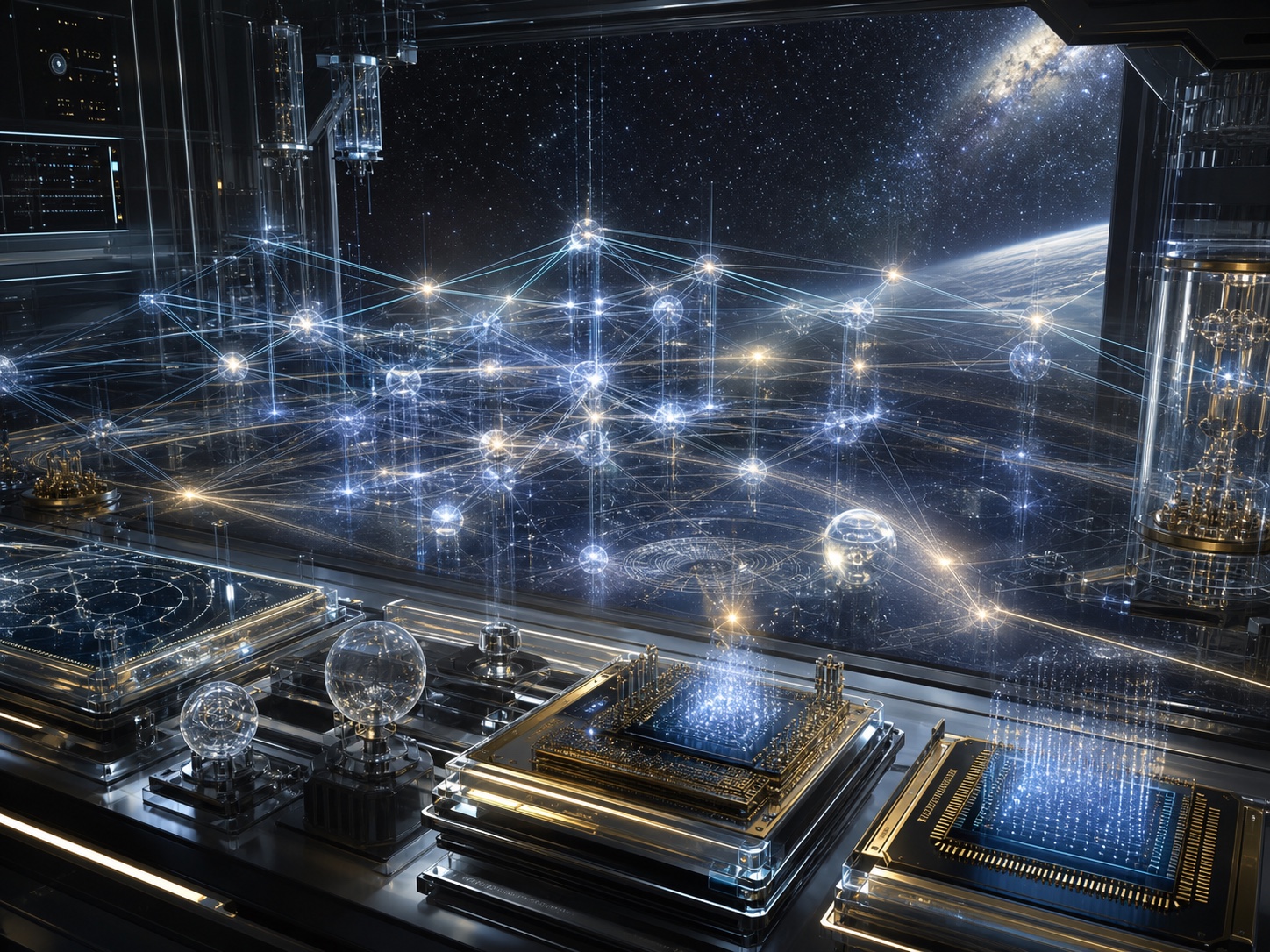 Compute spine
Best first action: translate the claim into a member workspace prototype, feasibility memo, or learning path.
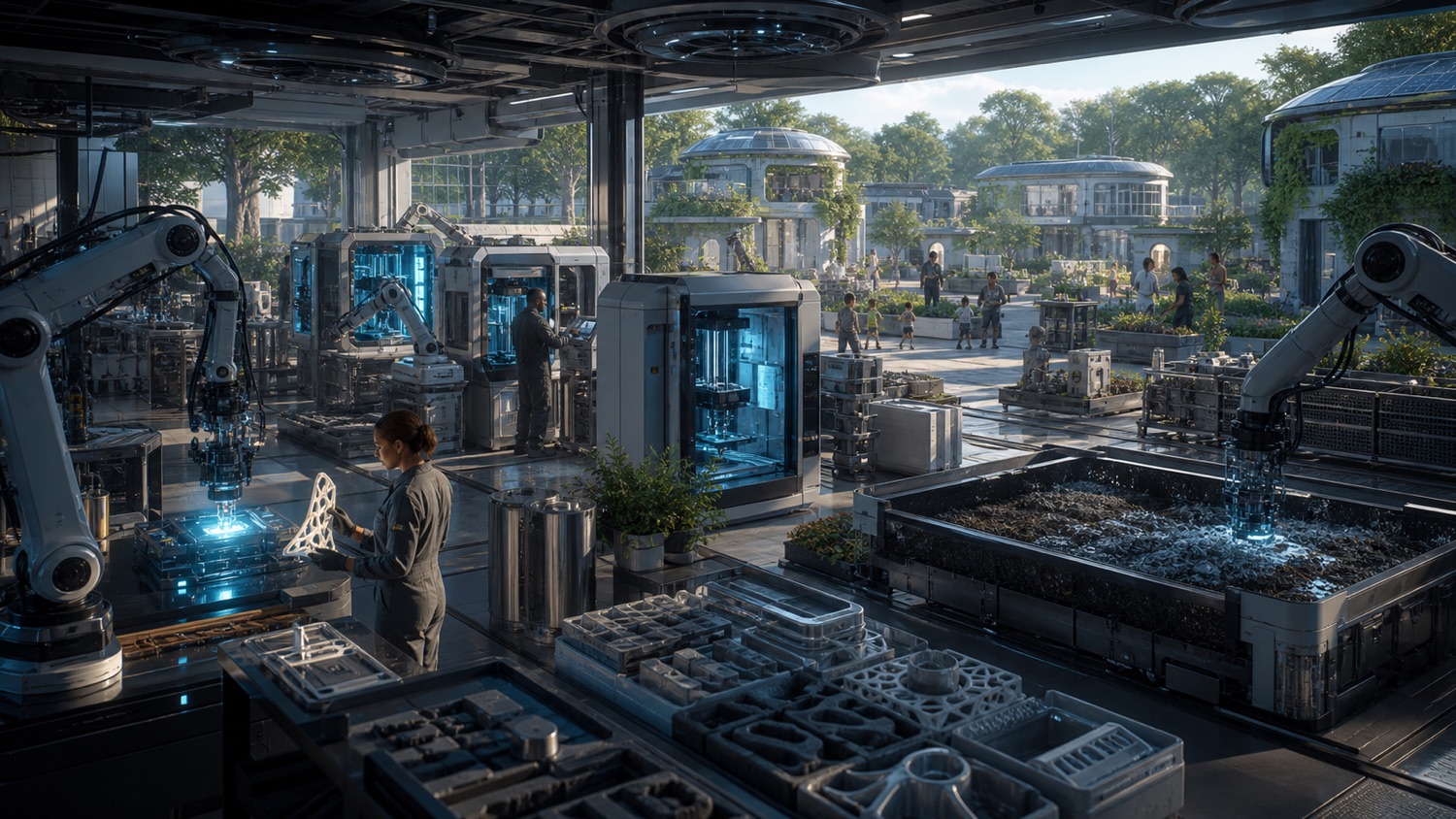 Matter engine
Best first action: define the resource, energy, safety, and supply-chain assumptions.
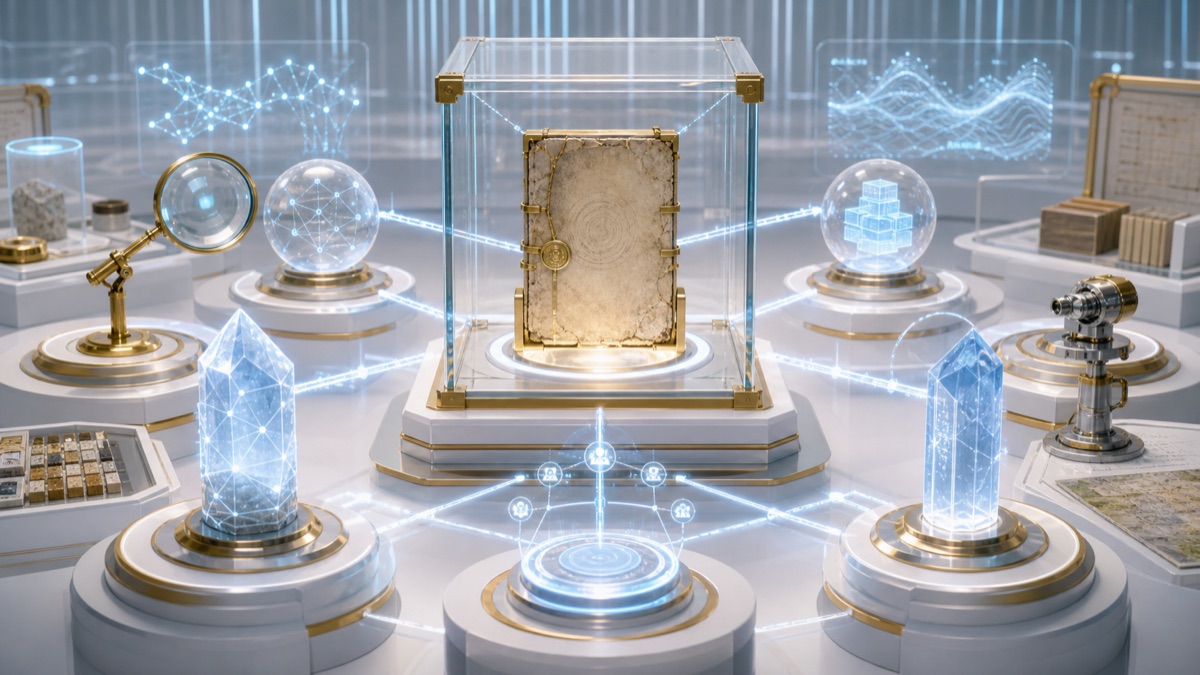 Knowledge market
Best first action: establish provenance, query boundaries, ownership, and retrieval value.
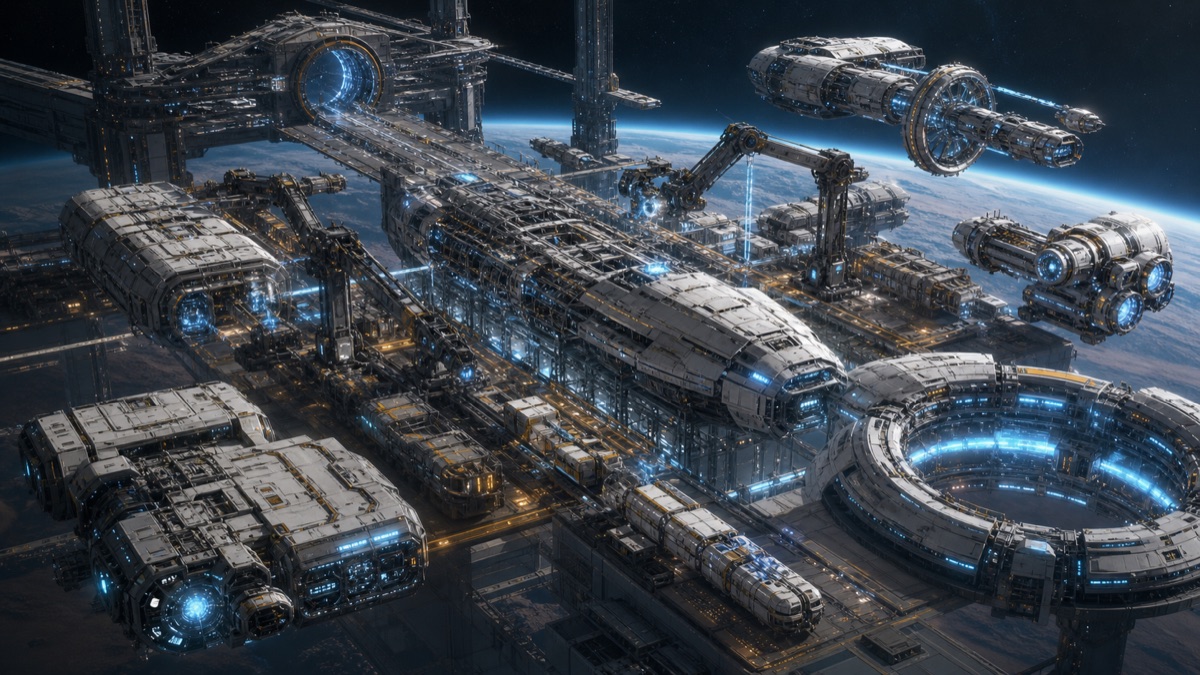 Build capacity
Best first action: move from vision to staged infrastructure, civic, and fleet dependencies.
Start with the ambitious product story, then demand a concrete artifact before the next meeting.
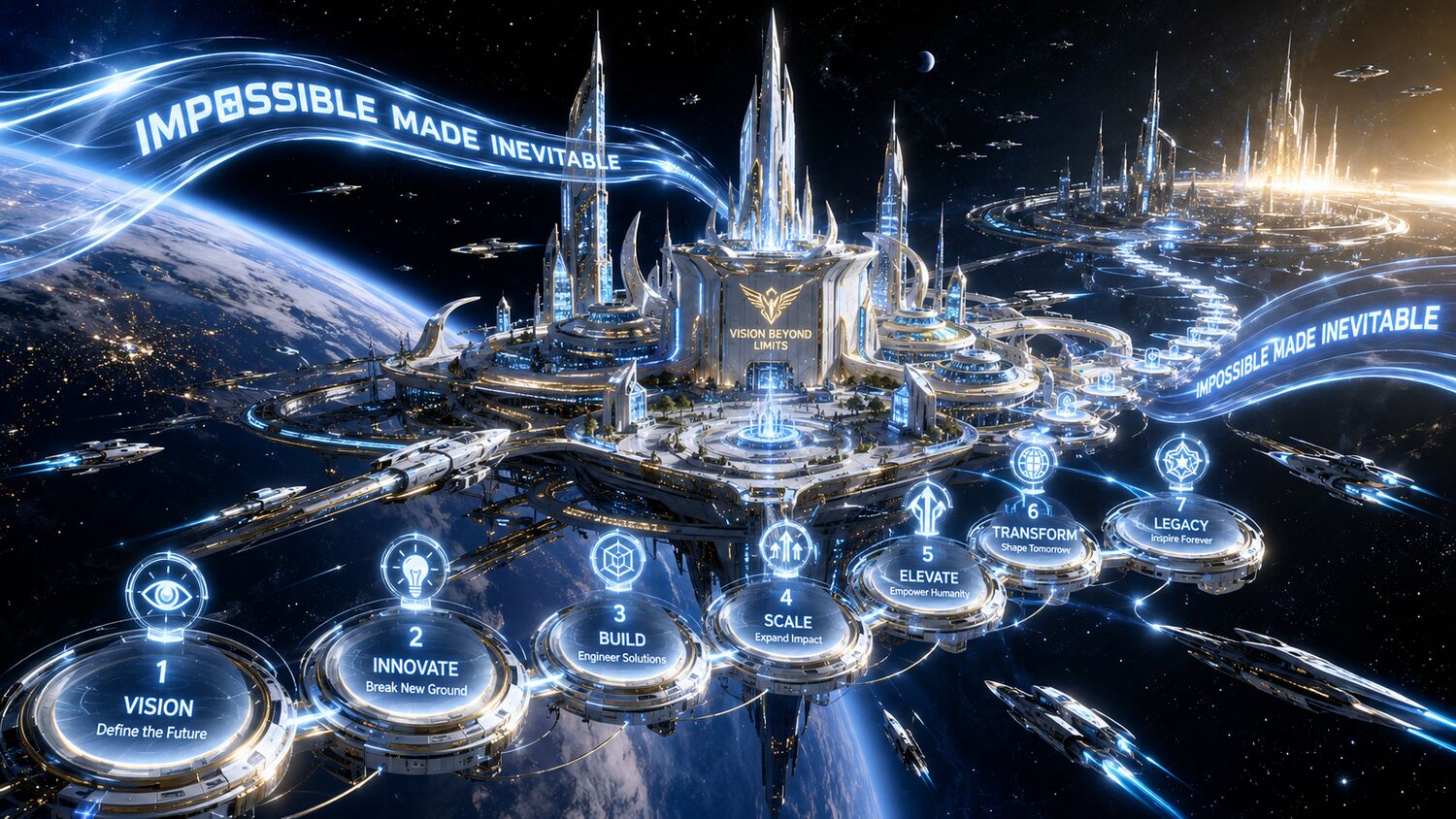
The catalog is strongest when it behaves like an operating map instead of a claim sheet. The Computer frames the compute thesis, member workspace prototypes how that thesis becomes an artifact, the Library frames retrieval and taxonomy, the Replicator frames fabrication and materials questions, and OSTSS frames habitat and governance obligations. The rest of the stack turns those themes into narrower products, field notes, and scopeable research doors.
Each flagship now exposes the same decision spine: what is real today, what artifact to ask for next, and which room handles that request without pretending the frontier stack is already shipped.
The catalog should not make a serious buyer infer the next responsible action from speculative copy alone. These cards compress the route, artifact, and trust boundary into one visible stop.
Treat the Computer as a physics-and-interface thesis first. The useful move is to inspect the boundary and then scope one measurement, control, or software artifact.
The Replicator is strongest as a fabrication boundary ledger. Ask for materials, energy, and failure-mode discipline before you ask for miracle manufacturing language.
The Library should be read as a query-and-provenance system. The right next move is not “believe the archive,” but “define the question and the source boundary.”
OSTSS only becomes trustworthy when it behaves like infrastructure and governance planning. The first real step is a habitat, logistics, or civic roadmap artifact.
The White Noise Computer is the flagship compute thesis in the catalog. Read it here as frontier architecture language and a research agenda built around entanglement-inspired ideas, not as proof of a machine that can access spacetime on demand.
The credible next work is narrower and more useful: define the physics constraints, identify adjacent hardware and software primitives, and turn the idea into bounded experiments, interface patterns, and decision artifacts that can be reviewed in public.

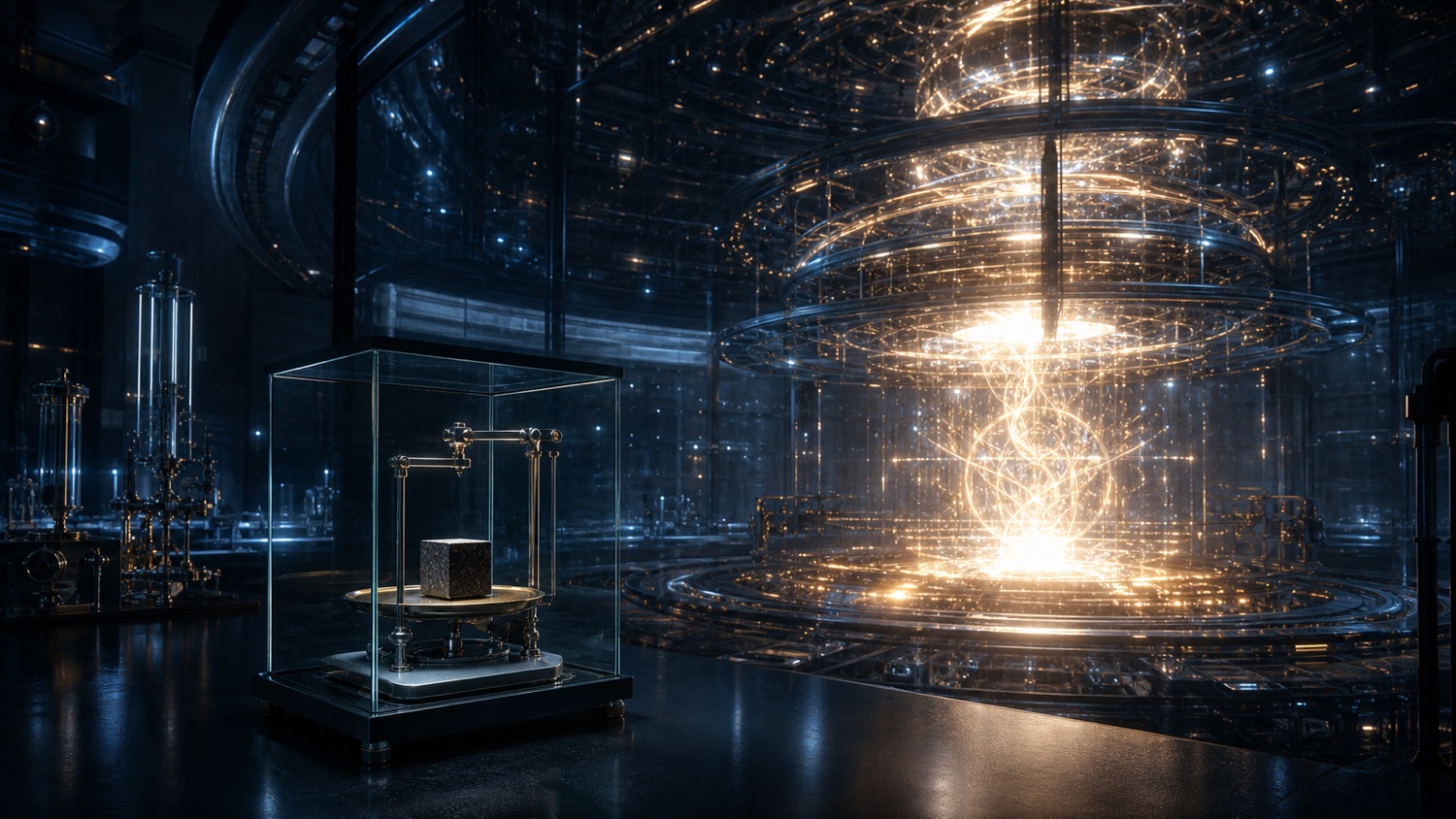
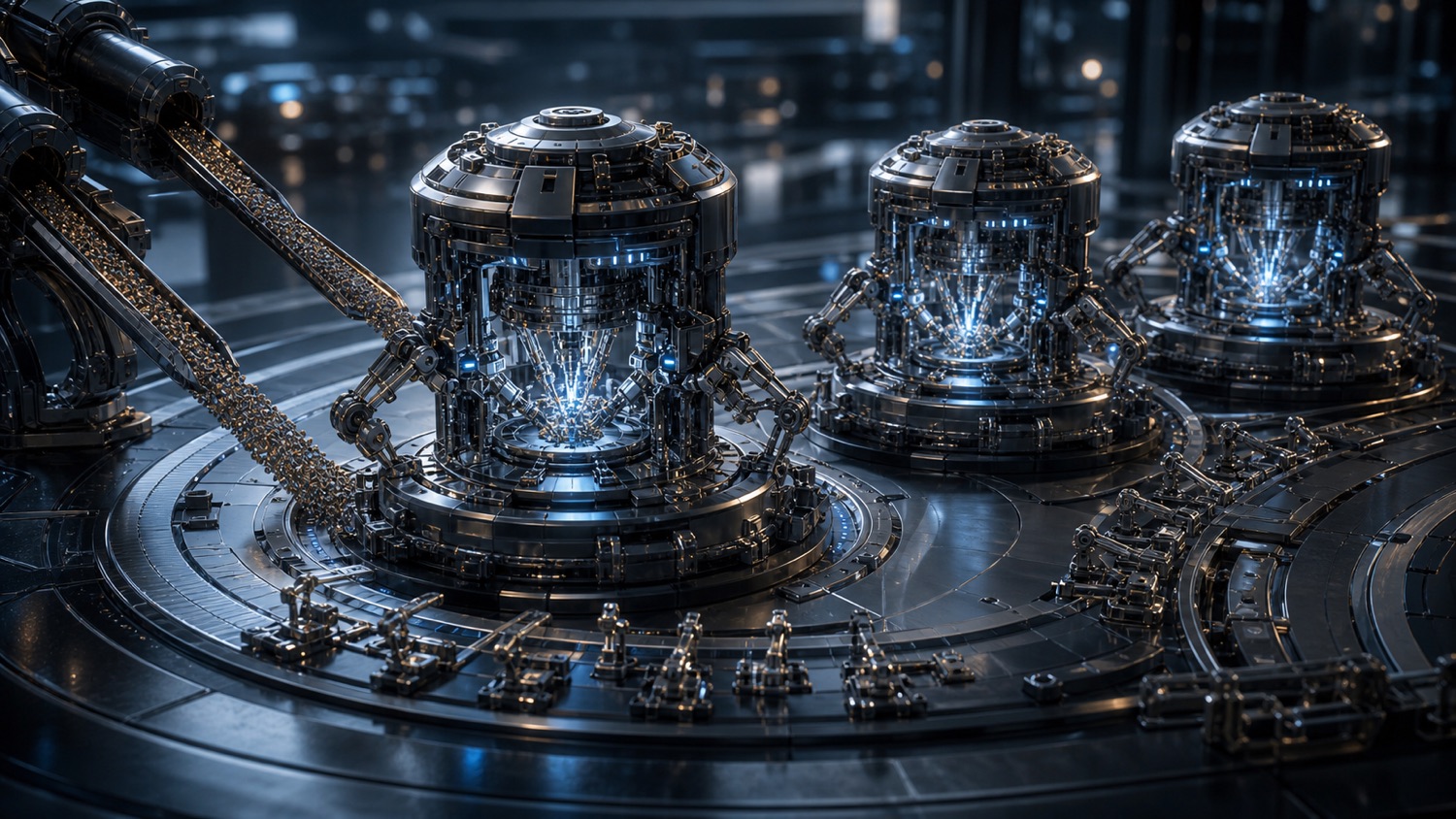
A speculative fabrication system conceived around matter synthesis from frontier physics assumptions. The page keeps the leap explicit: this is concept and research language, not evidence of a working machine.
Its value on this page is not that it promises matter on demand. It is that it pushes visitors toward the right first artifacts: a materials benchmark, an energy ledger, a failure-mode map, and a narrower manufacturing brief serious builders can inspect.
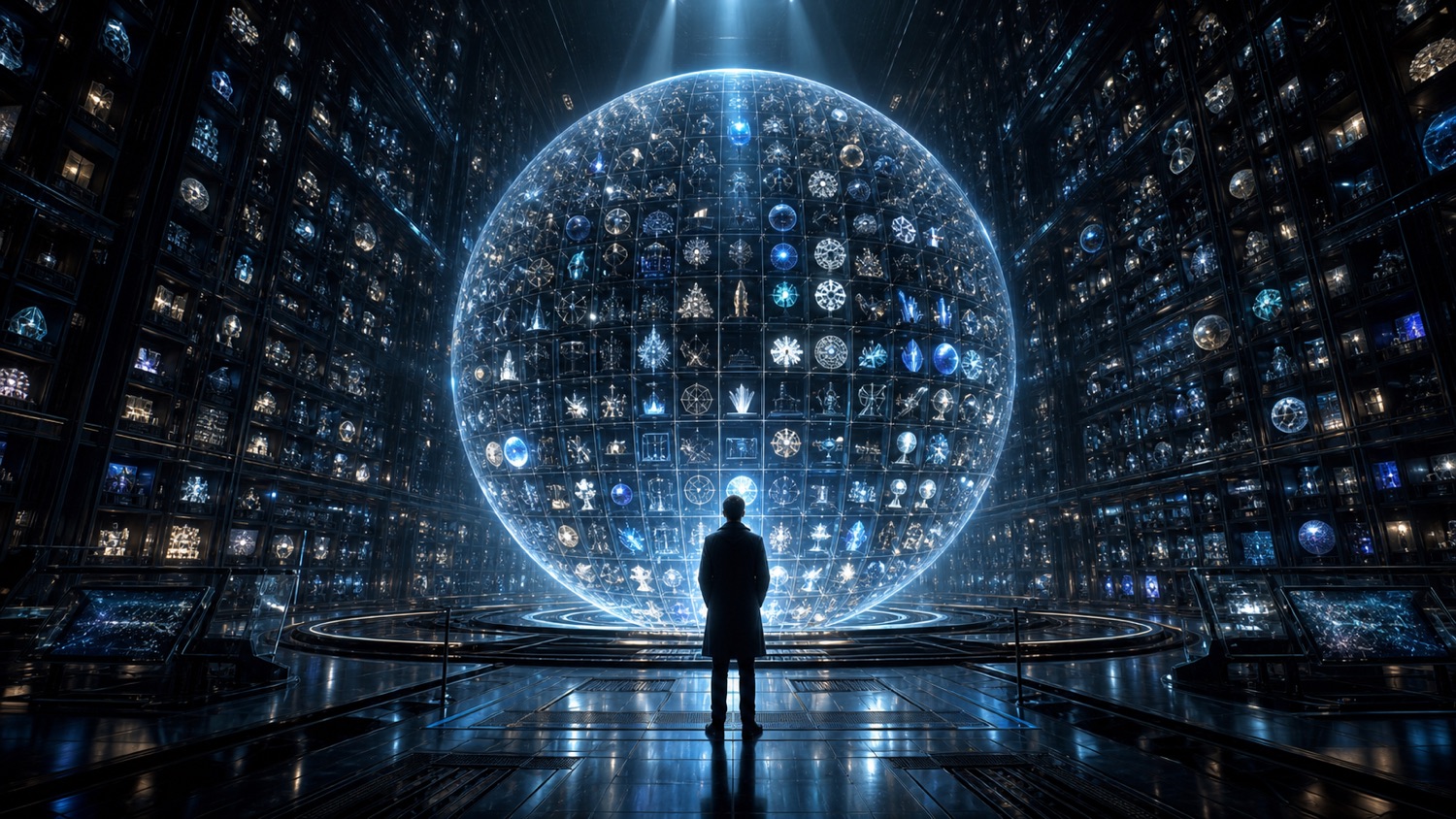
A speculative archive not just of knowledge, but of possible artifacts and worlds. On this page it is framed as a taxonomy and query-design system, not as an operating retrieval network.
The best use of the Library is to turn a vague frontier question into a clearer query, a bounded source set, and a next artifact. That is more trustworthy, and more commercially useful, than claiming universal retrieval before the system has earned it.
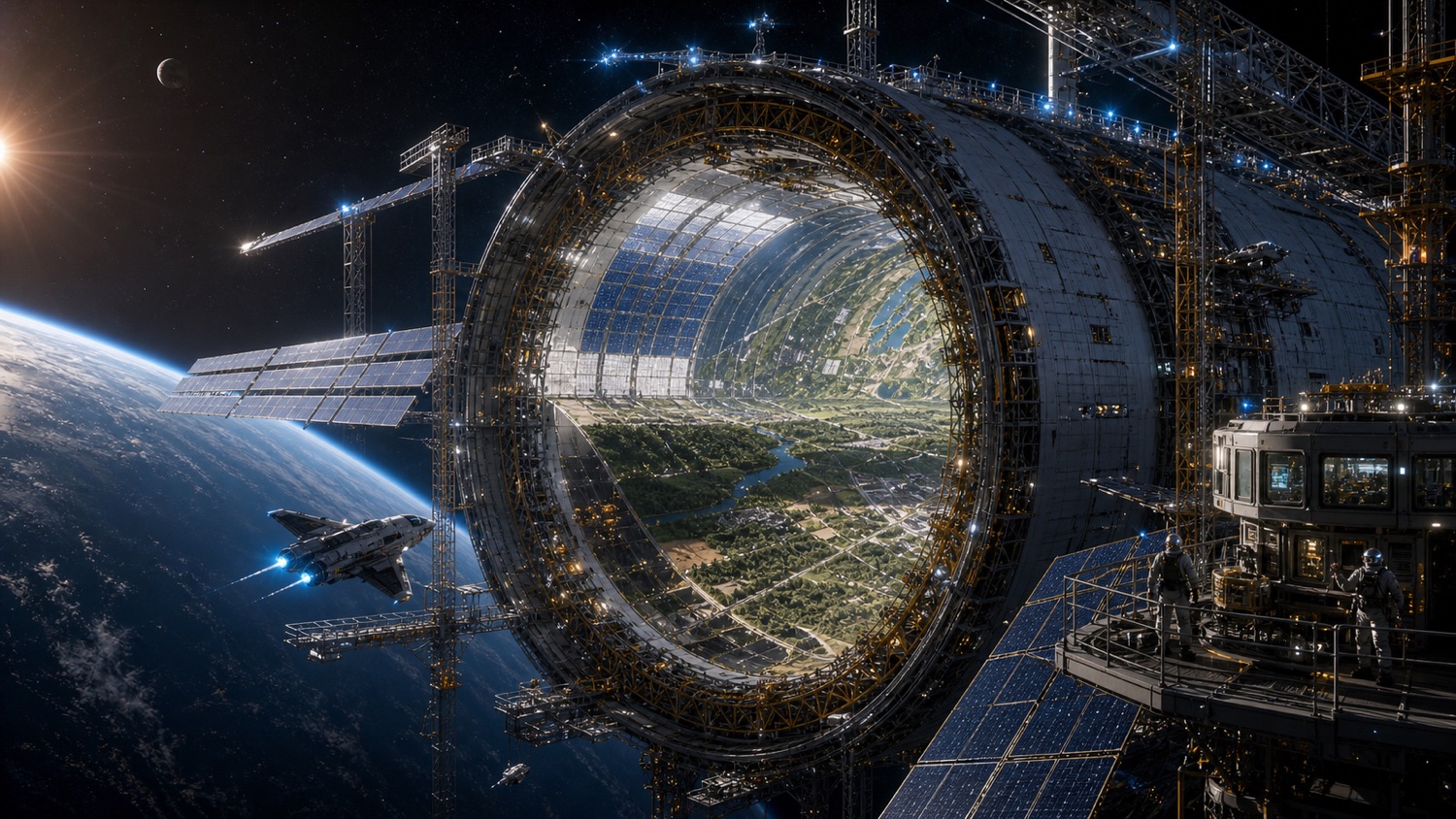
OSTSS is the settlement layer of the canon. Here it works best as a long-horizon systems concept spanning habitat design, life-support closure, robotics, logistics, maintenance, and governance, not as a deployable city product.
Translate nanobot ideas into motion, control, containment, and recall questions before they become capability claims.

Large autonomous build systems need maintenance plans, logistics, and operator authority, not just scale language.
Closed-loop life support, emergency response, and governance are what make settlement language credible.
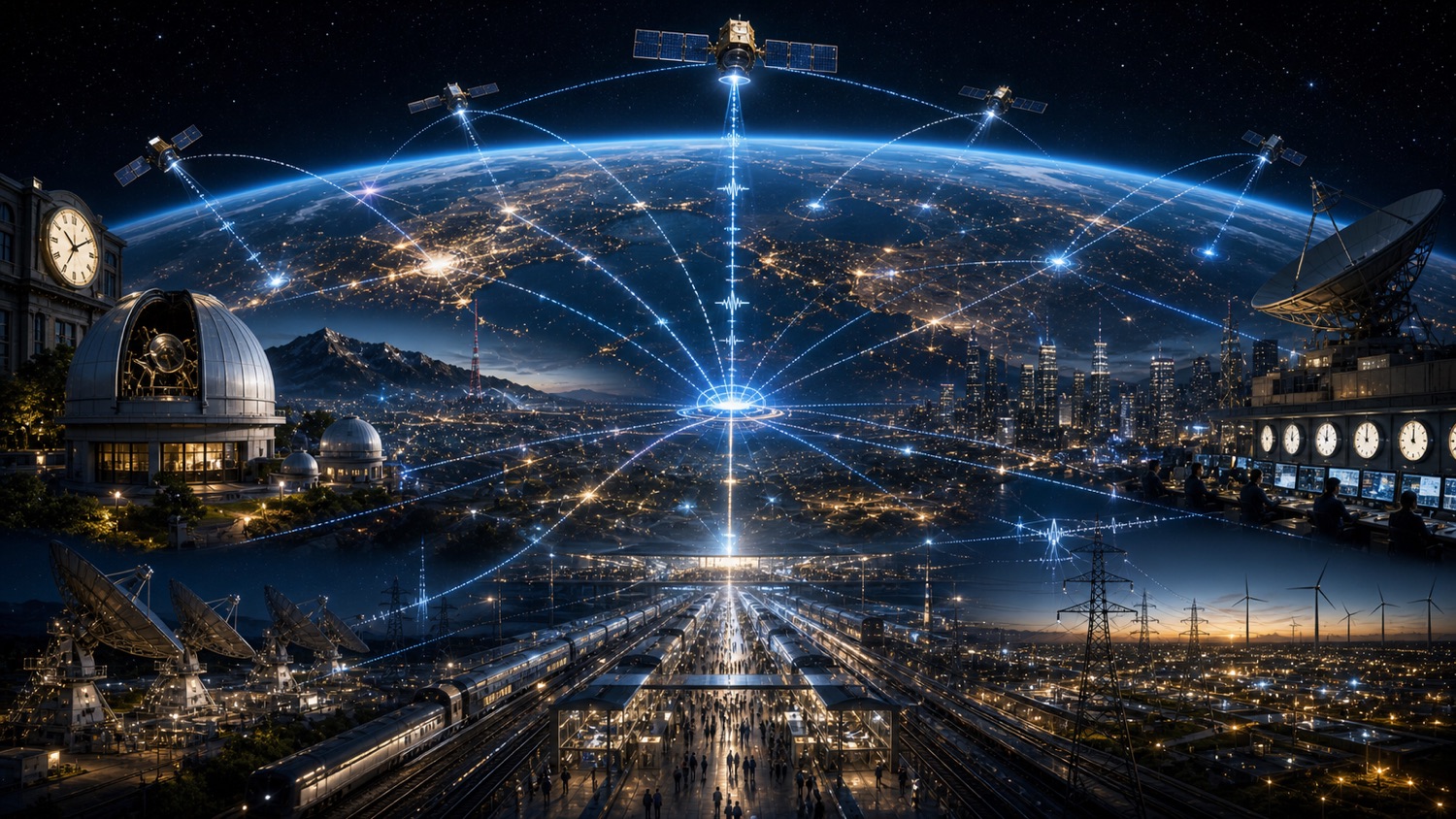
Communication, timing, and custody stay central, but they need explicit constraint language instead of miracle-network wording.
A speculative longevity research concept inside White Noise Totality: a digital genomic maintenance thesis derived from the White Noise Computer, explored through modeling, biosensing, and non-clinical systems research rather than a live medical product.
The Immortality Genome treats the body as readable, writable information. In this catalog, aging is framed as accumulated error in a biological program, and the Genome is presented as a speculative computational maintenance thesis that would need measurement, controls, and evidence before any stronger claim could be justified. The White Noise Computer and Library are the modeling frame, not proof of a deployable intervention.
Portable white noise computers worn as a smart watch, lenses, or a brain-computer interface are shown here as interface concepts for monitoring, simulation, and future control design. Linked to the WN Digital Medical System, the near-term route is non-clinical research into biomarkers, consent, sensing, and genomic model management rather than a live service that promises indefinite life.
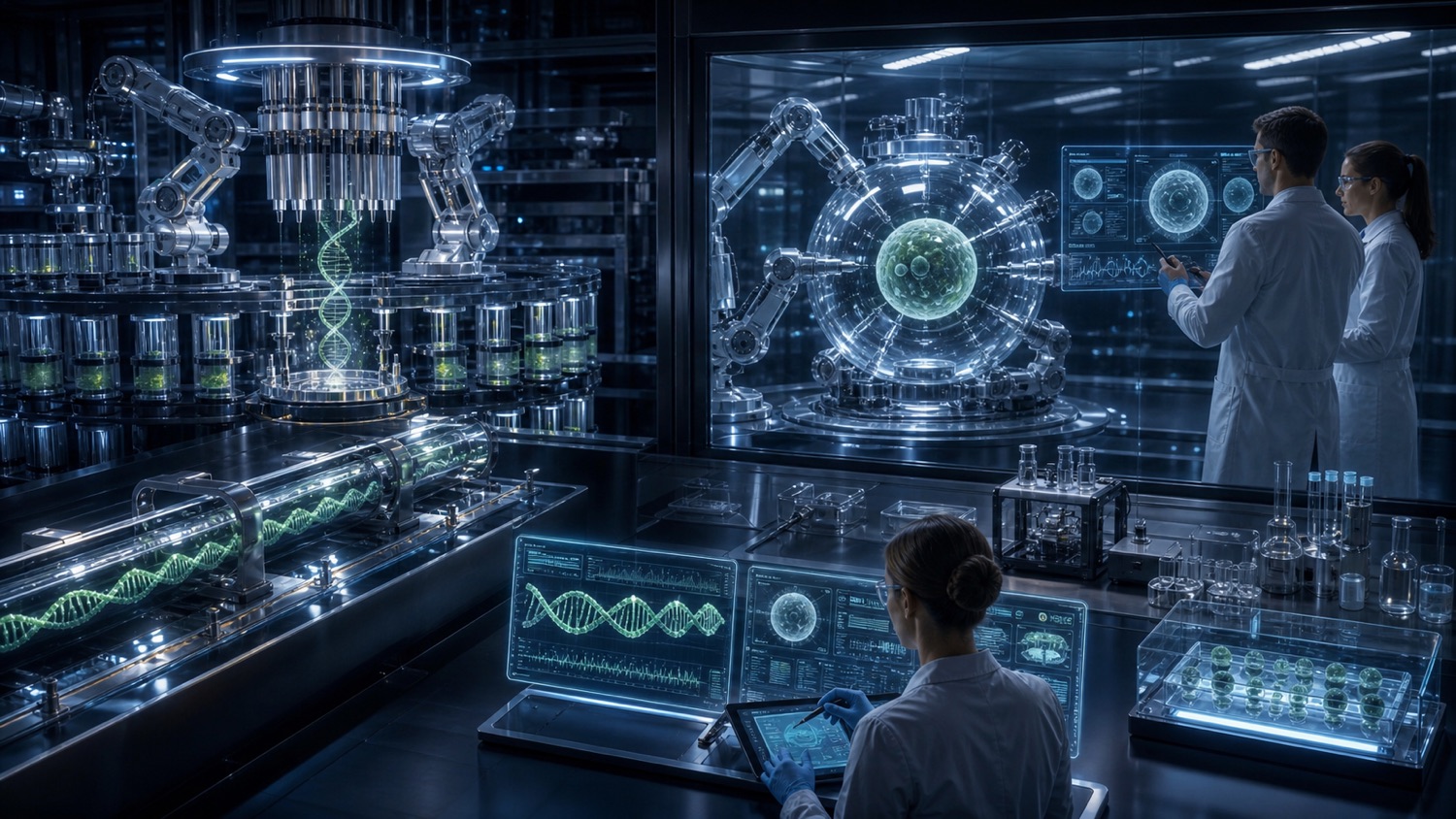
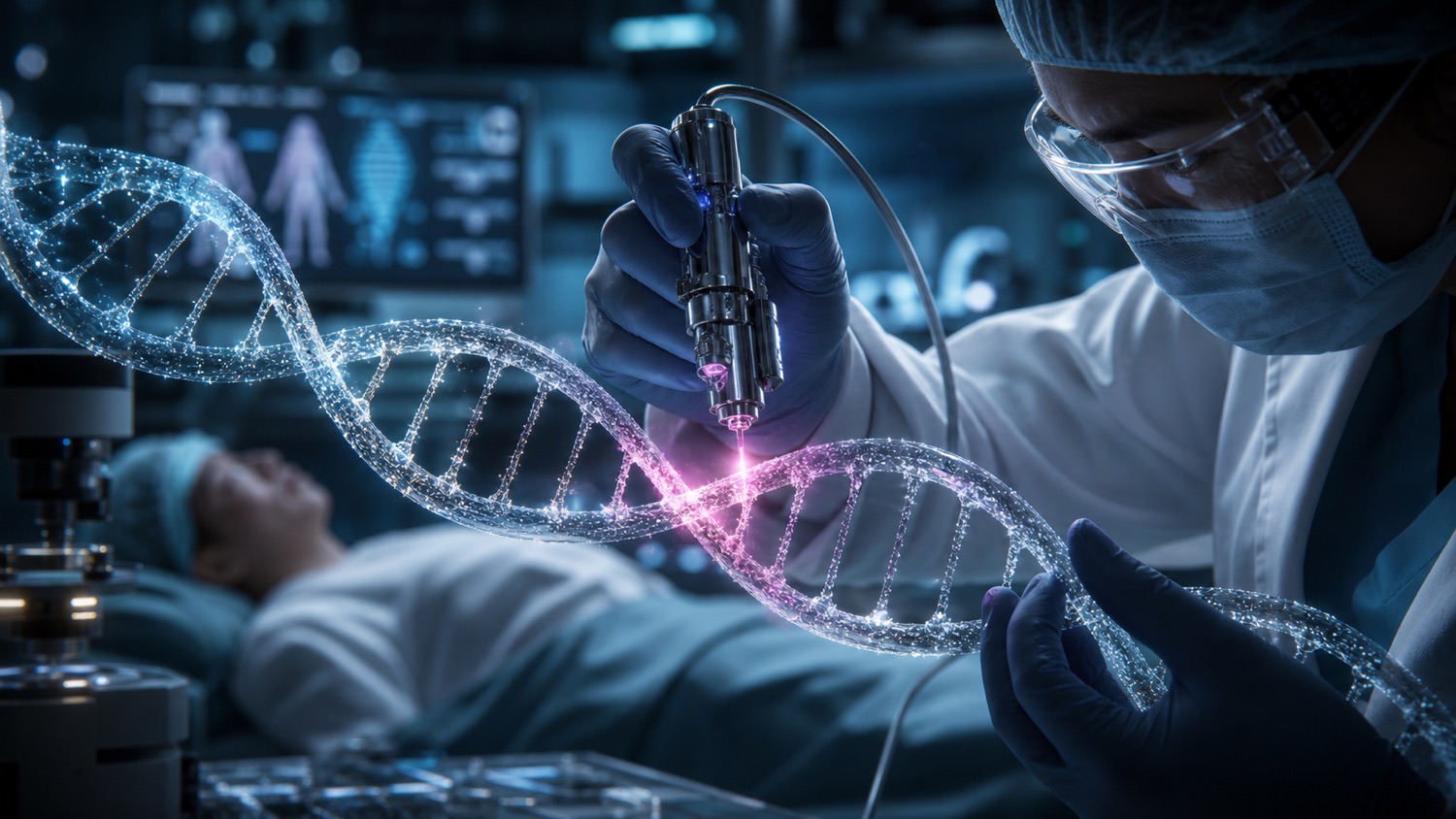
The concept is computed, not clinically validated: candidate genomic maintenance patterns are modeled across many futures as a research exercise that still needs real-world evidence and safety gates.
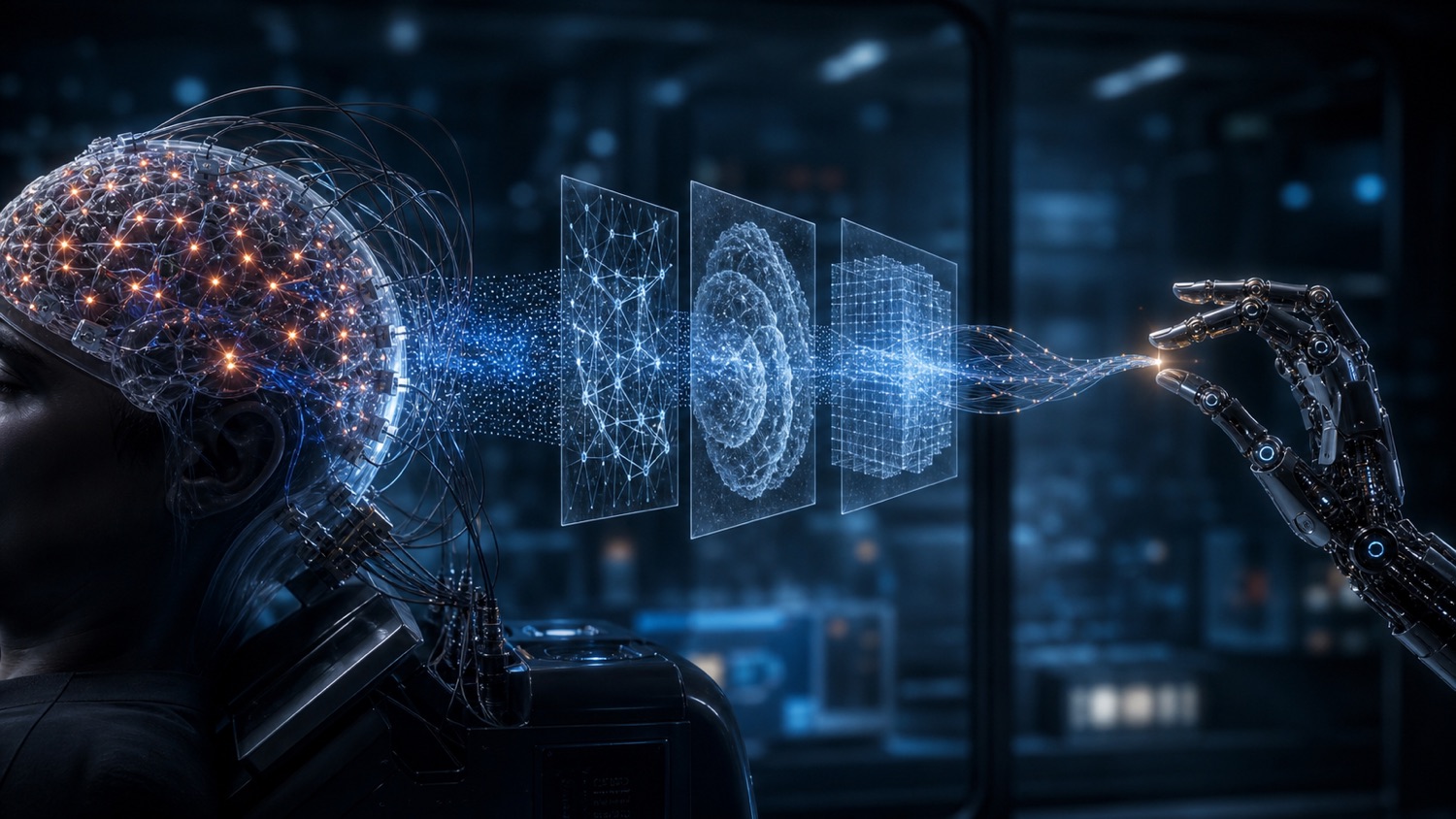
Watch, lens, and BCI formats are presented as future interface concepts for sensing and genomic control design, not as live hardware delivering medical outcomes today.
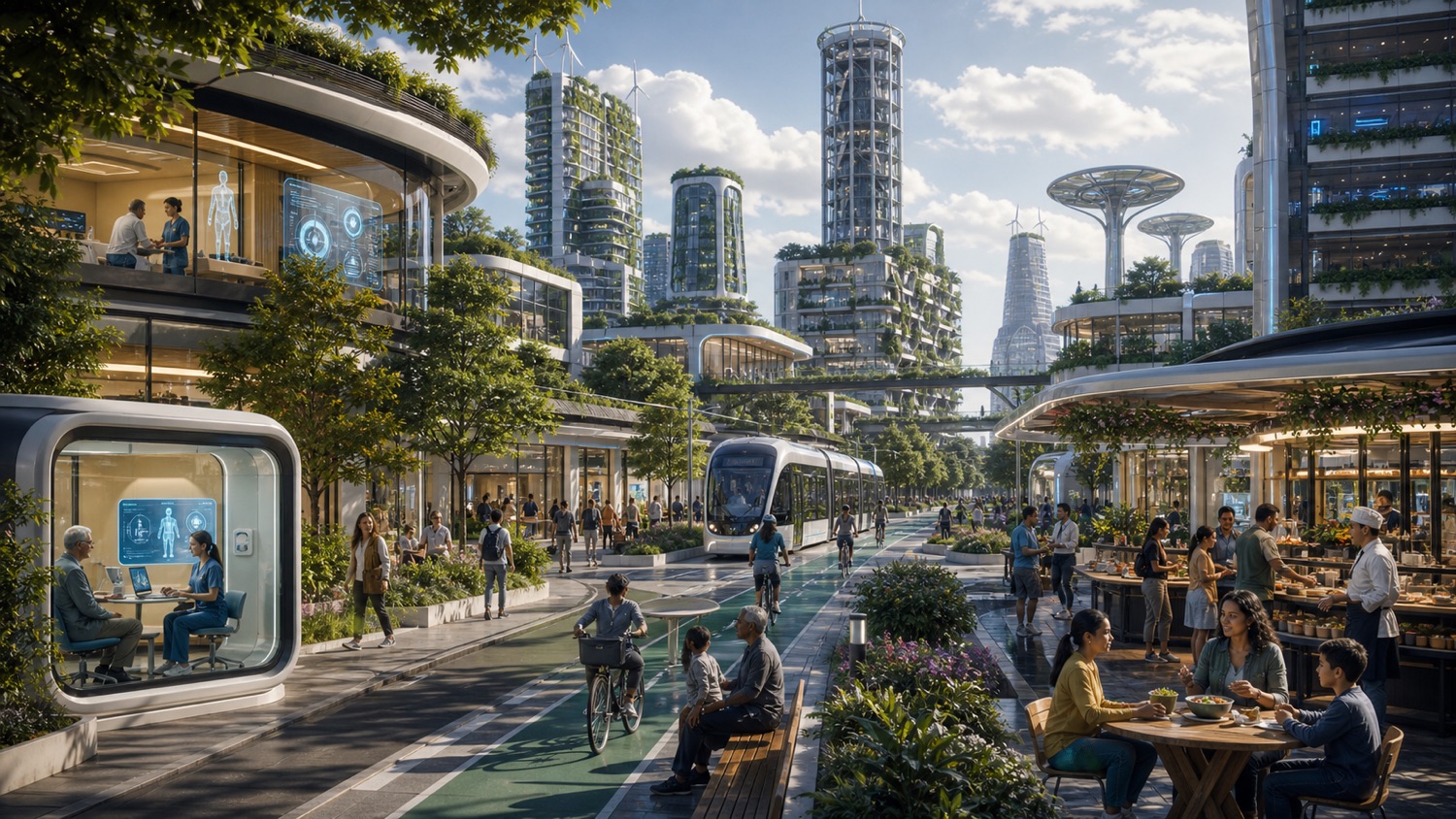
The Digital Medical System is the governance and modeling layer for this thesis: biomarker review, consent, update logic, and intervention tracking, not proof of a deployed immortality service.
Beyond the four flagships, the ecosystem spans the complete technology stack of the future economy.

A frontier compute threshold where the White Noise Computer thesis meets coherence, fabrication, and measurement constraints. Best read today as an engineering question, not a finished component.
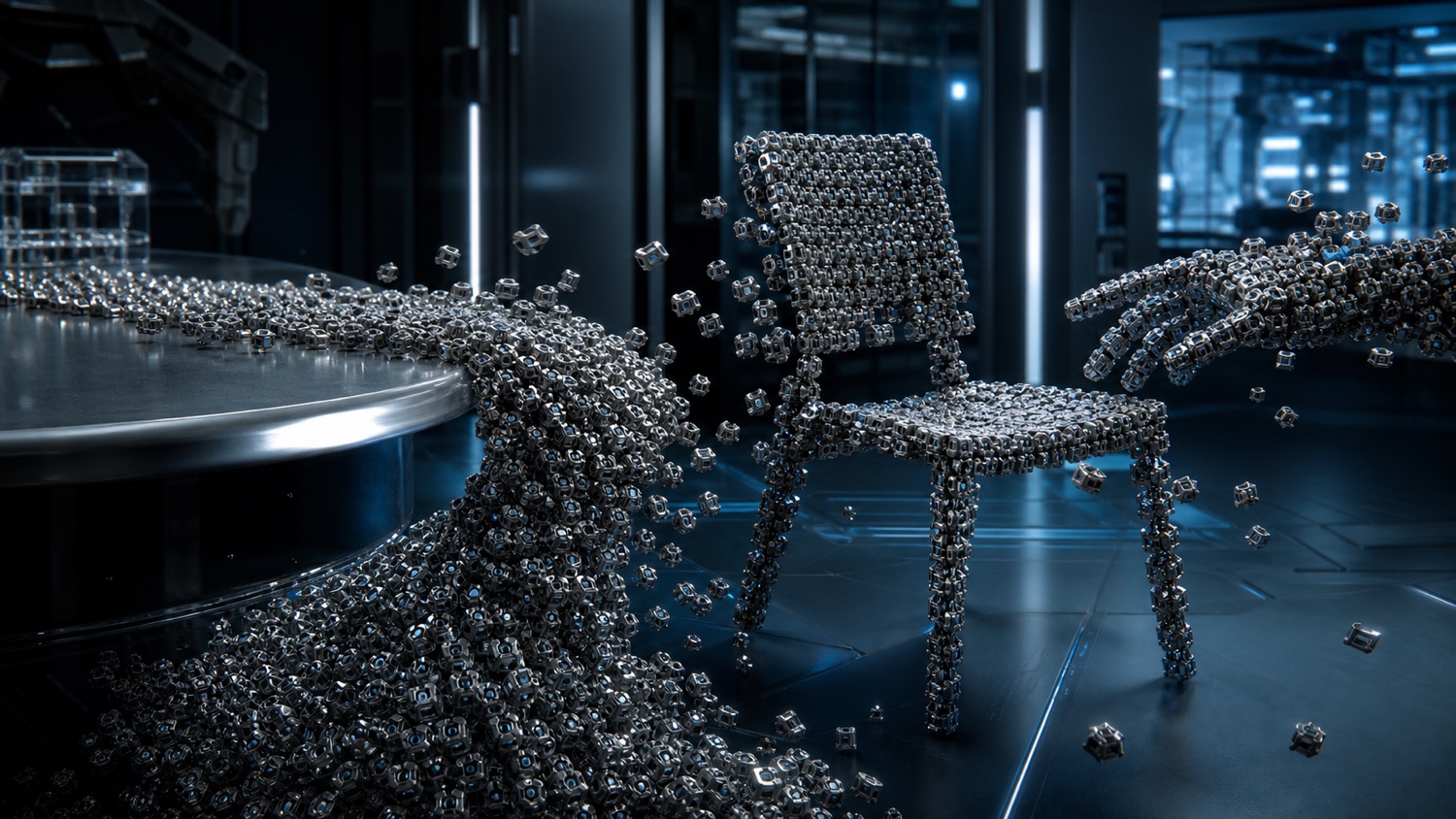
Programmable-matter and adaptive-material concepts derived from the Replicator thesis. The right next step is a bounded materials benchmark, not a claim of reconfigurable product matter on demand.
A speculative health-infrastructure model for sensing, consent, and genomic decision support. It belongs in non-clinical diligence and protocol design until evidence and regulatory boundaries exist.
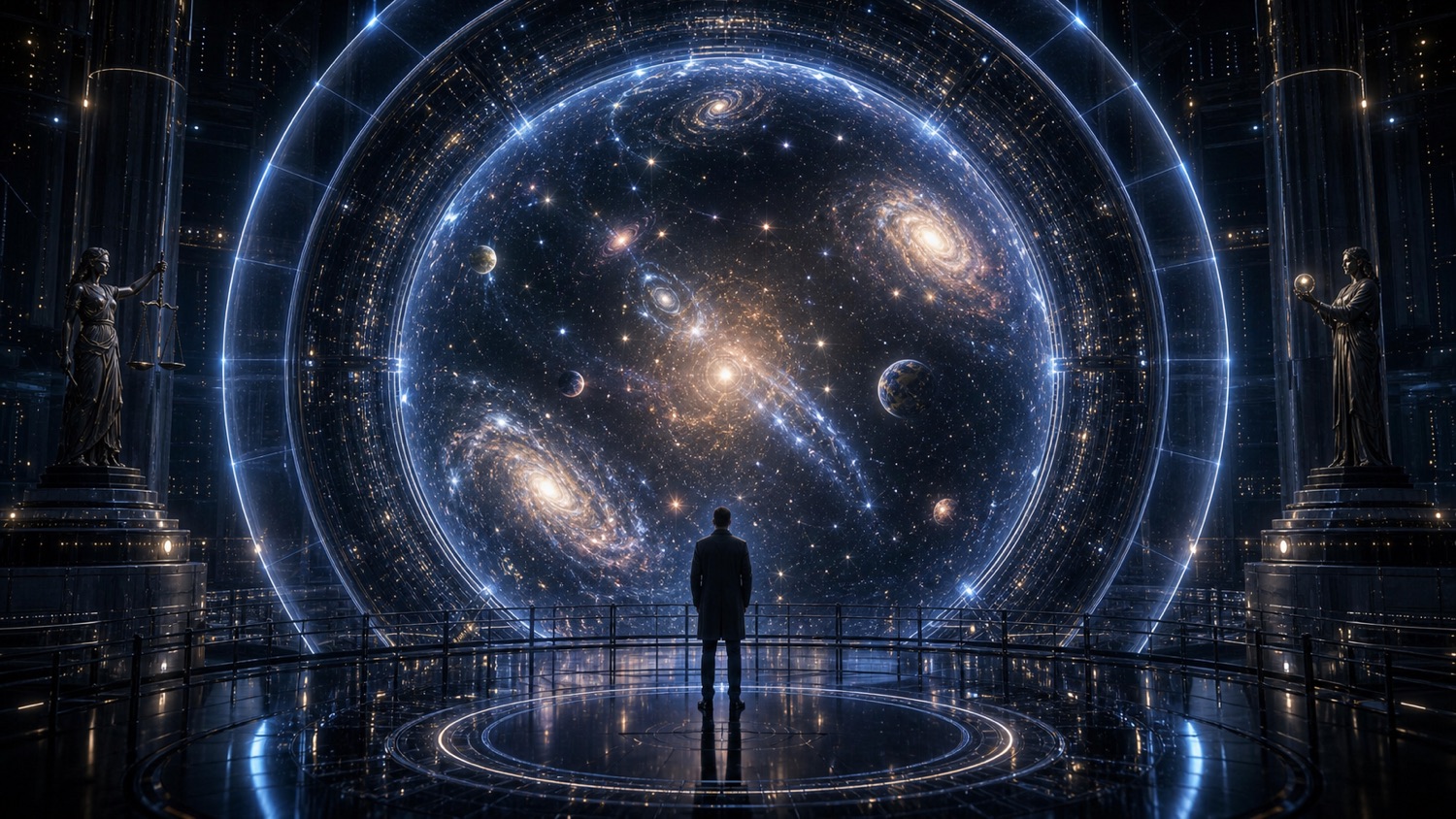
A frontier worldbuilding thesis about simulated or designed environments, governance, and rights. Treat it as canon plus stewardship questions, not as a live environment-creation product.
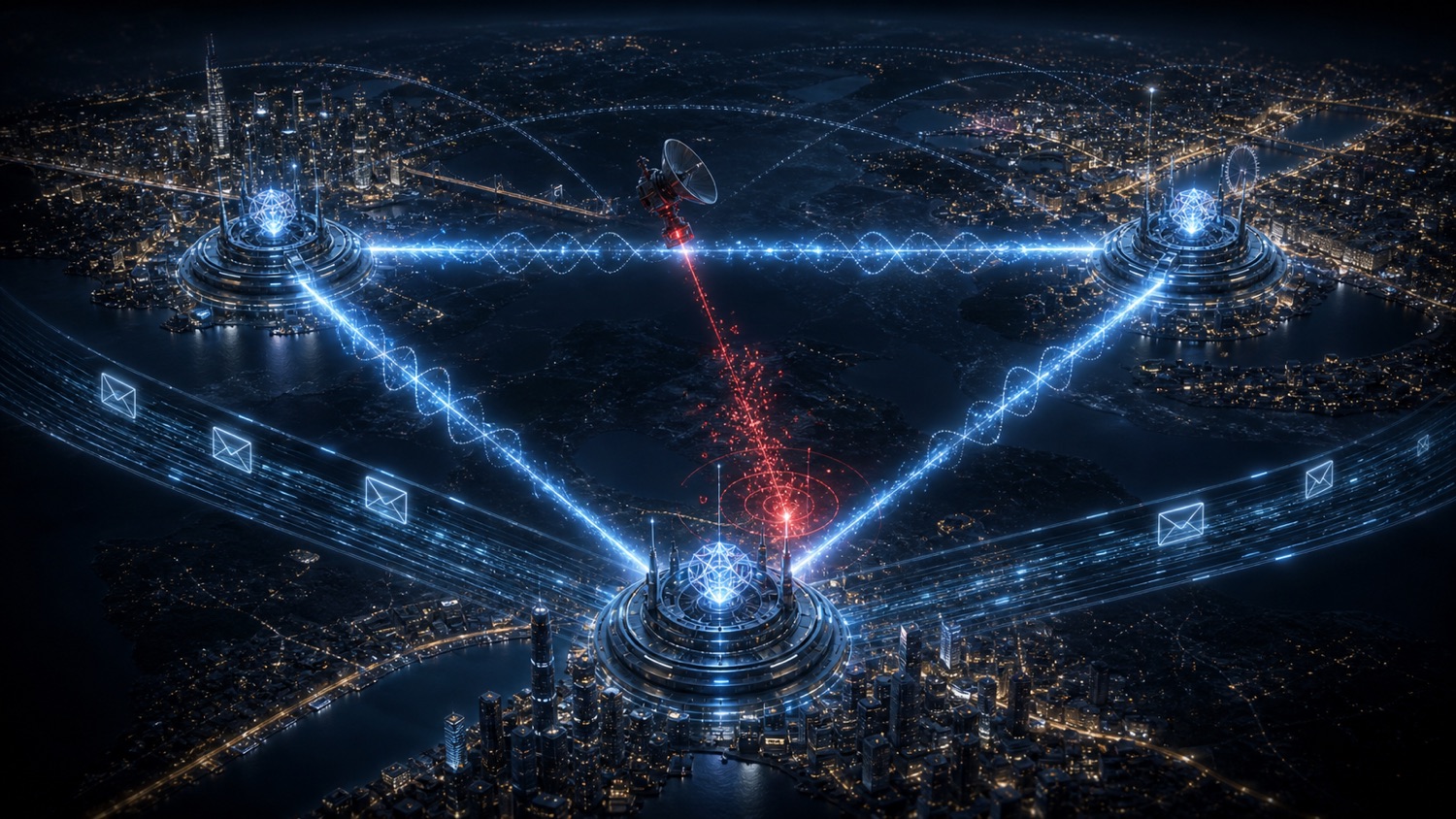
A communications thesis about what an entanglement-native network would require. Today the useful work is systems thinking around custody, latency assumptions, and operator boundaries.
Brain-computer and continuity concepts that require unusually strict consent, identity, and refusal design. The near-term route is research framing and safety boundaries, not continuity promises.
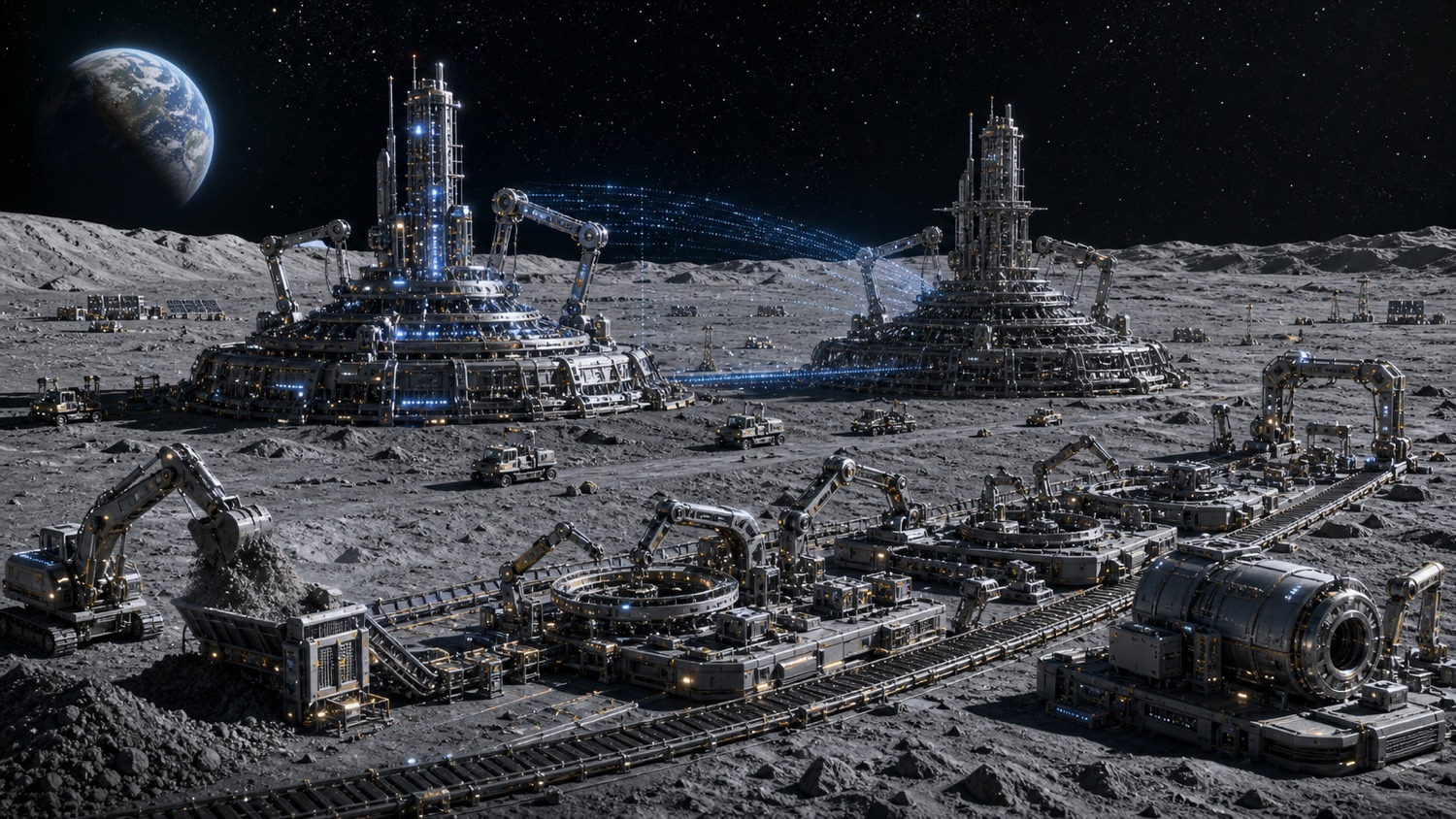
Construction and biology-scale agent concepts for settlement and infrastructure scenarios. Best translated into operational controls, recall logic, and deployment-envelope research first.
The broadest intelligence thesis in the stack, with member workspace as its clearest prototype surface. Use the workbench to connect the White Noise Computer, Products, and Services to real prompts and artifacts; keep the larger superintelligence language in the research lane.
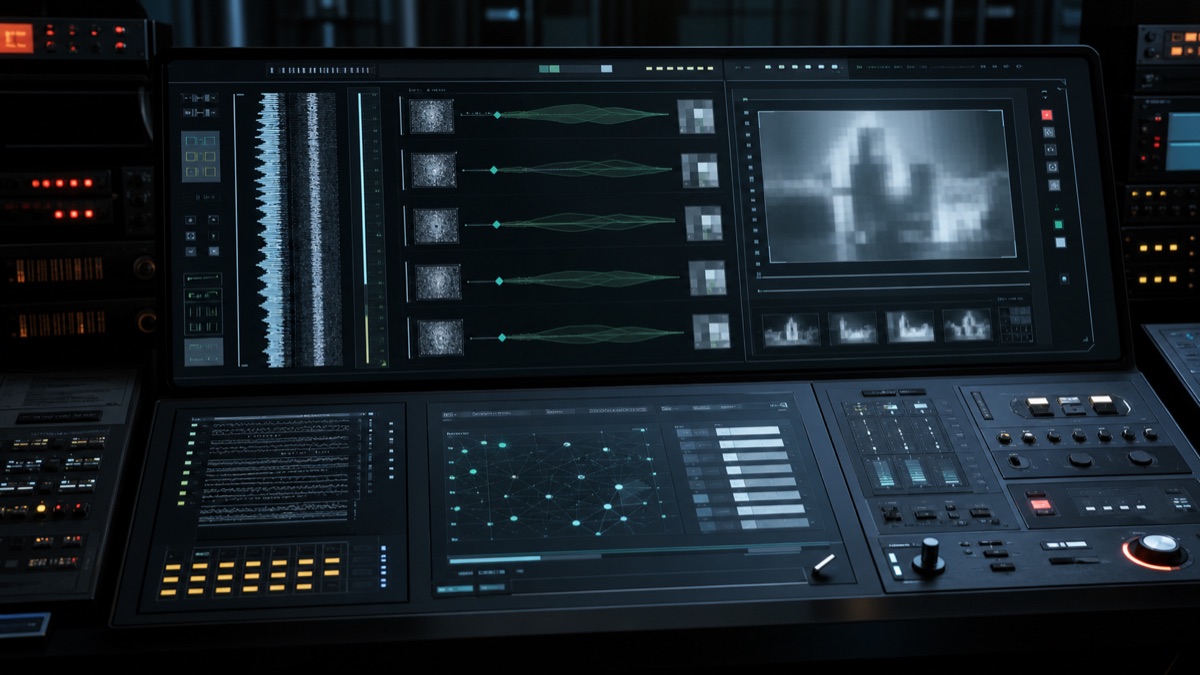
Remote Viewing Imaging System under development: a BCI plus AI imaging research roadmap for opt-in sessions, blind targets, evidence ledgers, generated-image disclosure, and null-result review.
Open R.V.I.S. →
A formal-method thesis that is most useful when it narrows claims into proofs, references, and testable obligations.
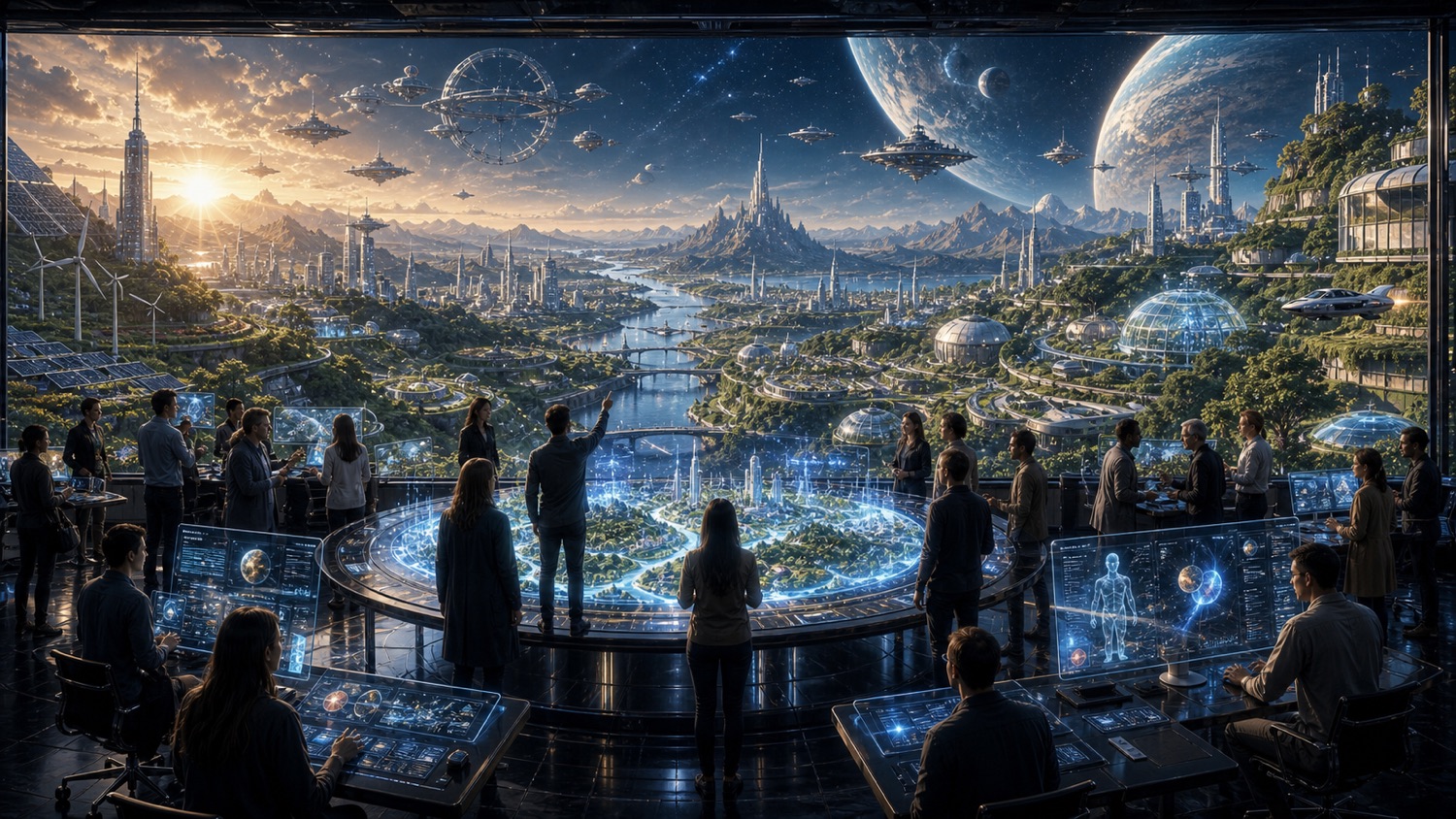
A civic blueprint tying technical ambition to institutions, maintenance, legitimacy, and staged public pilots.
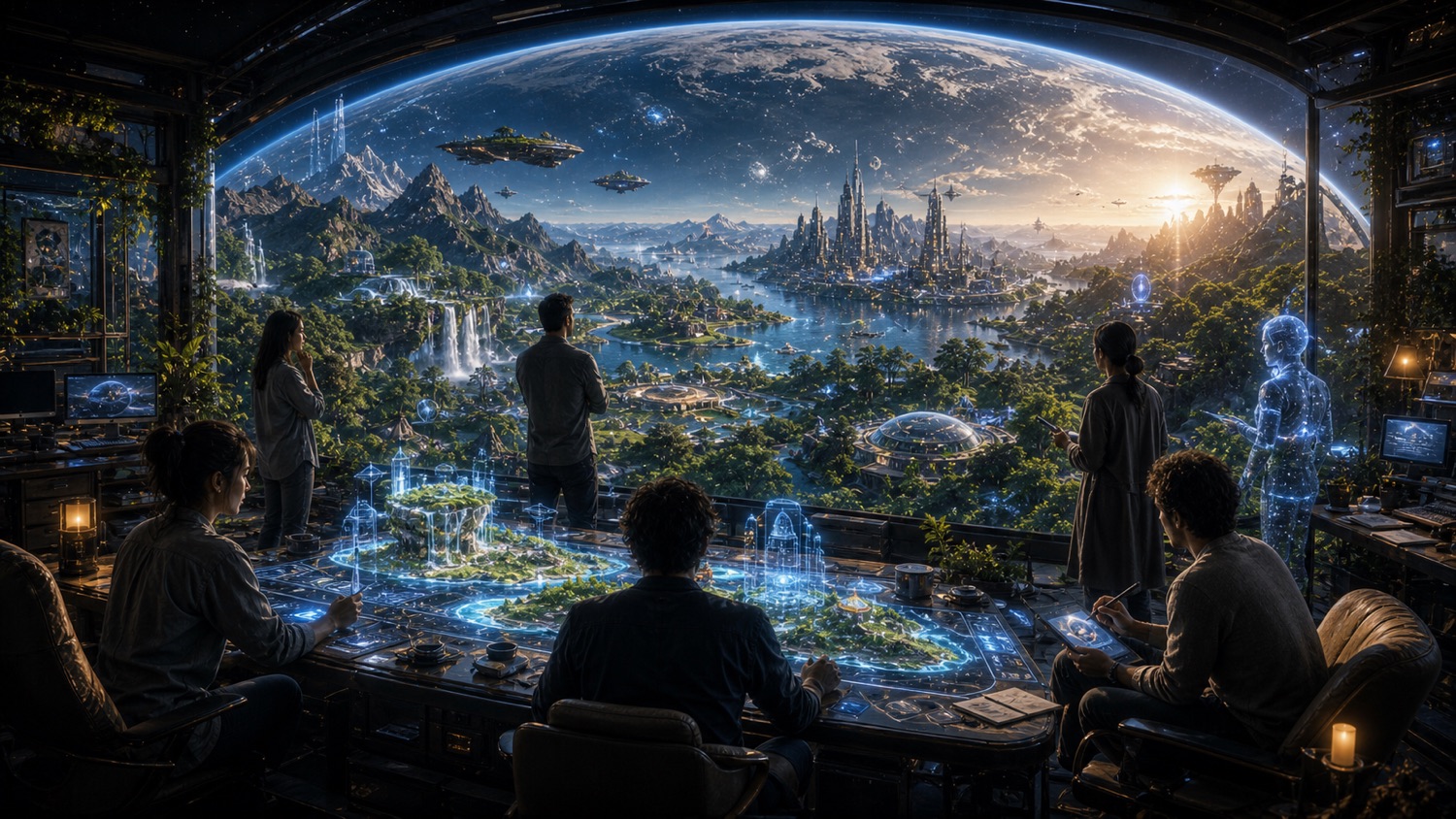
A generated-worlds and media thesis that should be packaged as simulation, storytelling, and rights-aware creative tooling before anything stronger.
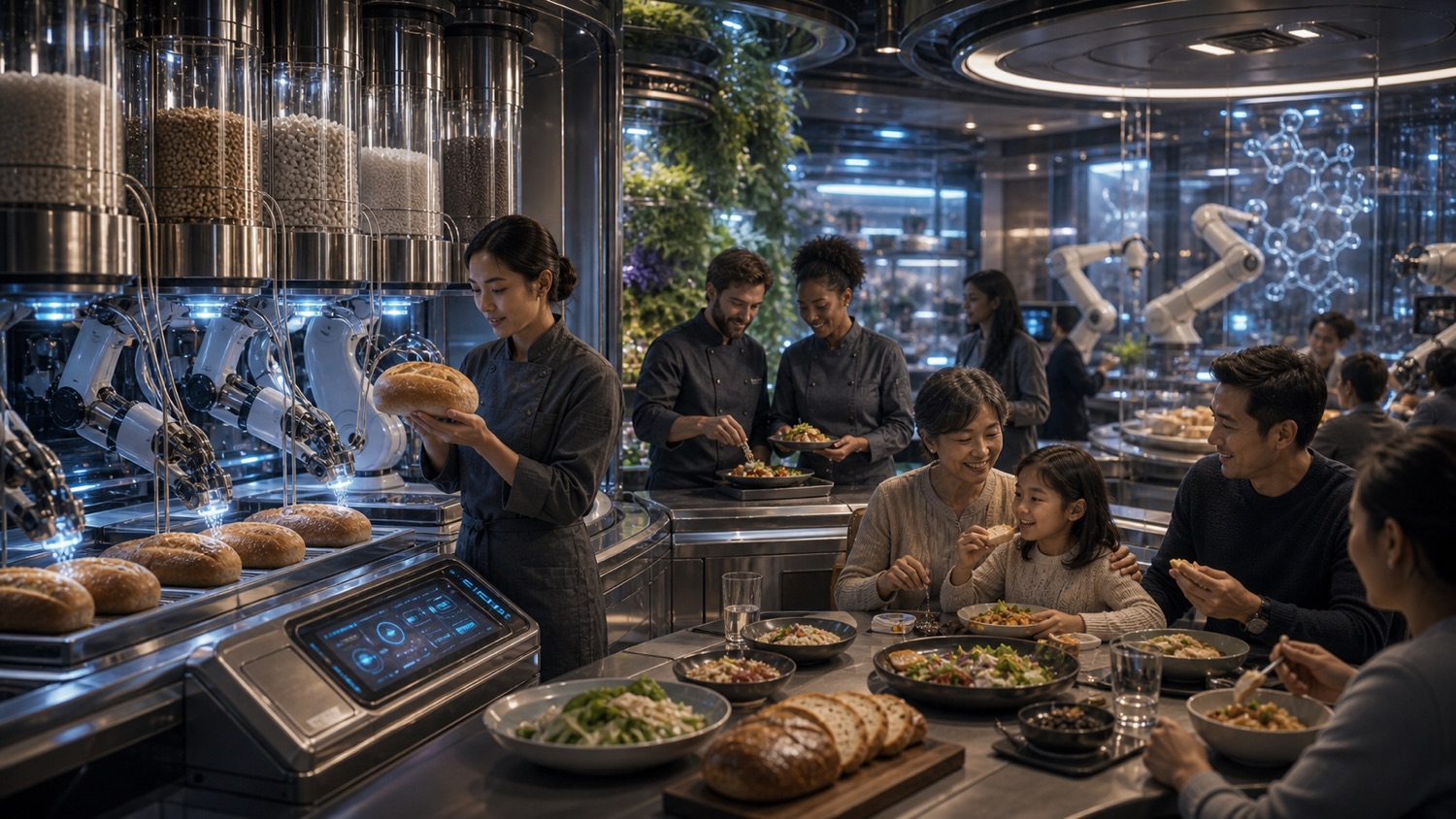
A food-and-water systems concept that belongs in safety, resource, and delivery-boundary research before product language.

A high-touch packaging surface for people who want multiple White Noise research lanes translated into one qualification and scope conversation. Start with boundaries, eligibility, and first artifacts before any bespoke program.
Open Supermax →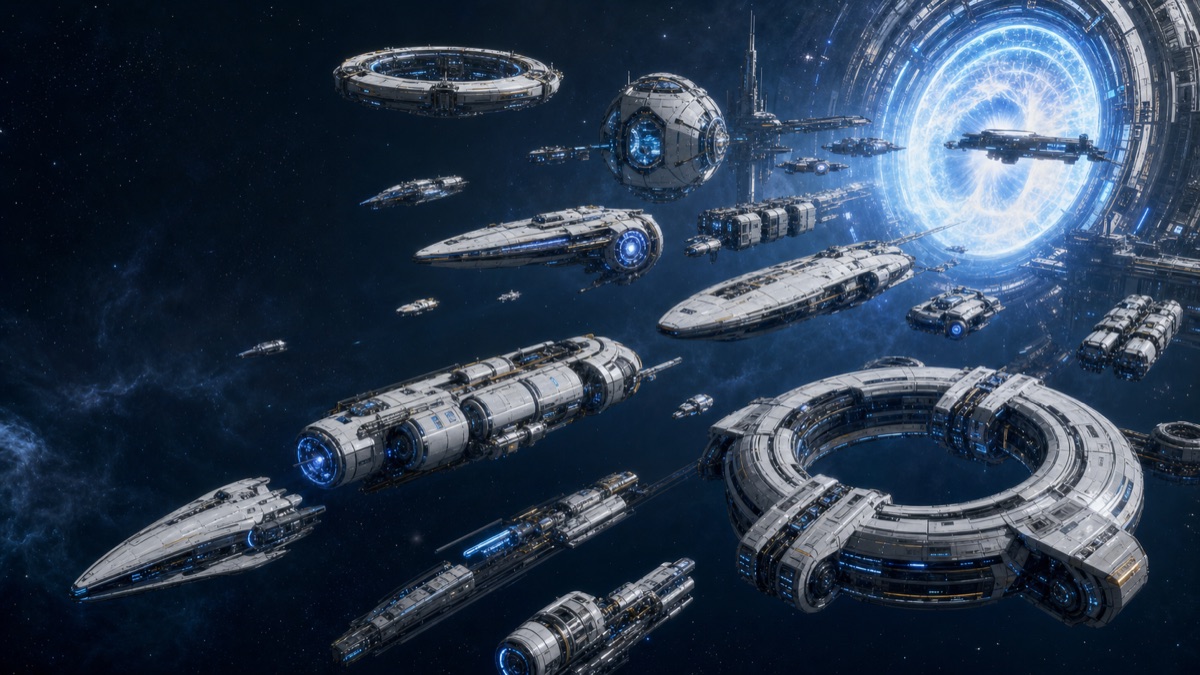
A 40-type spacecraft research catalog spanning exploration, science, Superfactory construction, civic life support, and frontier transit.
Open the fleet →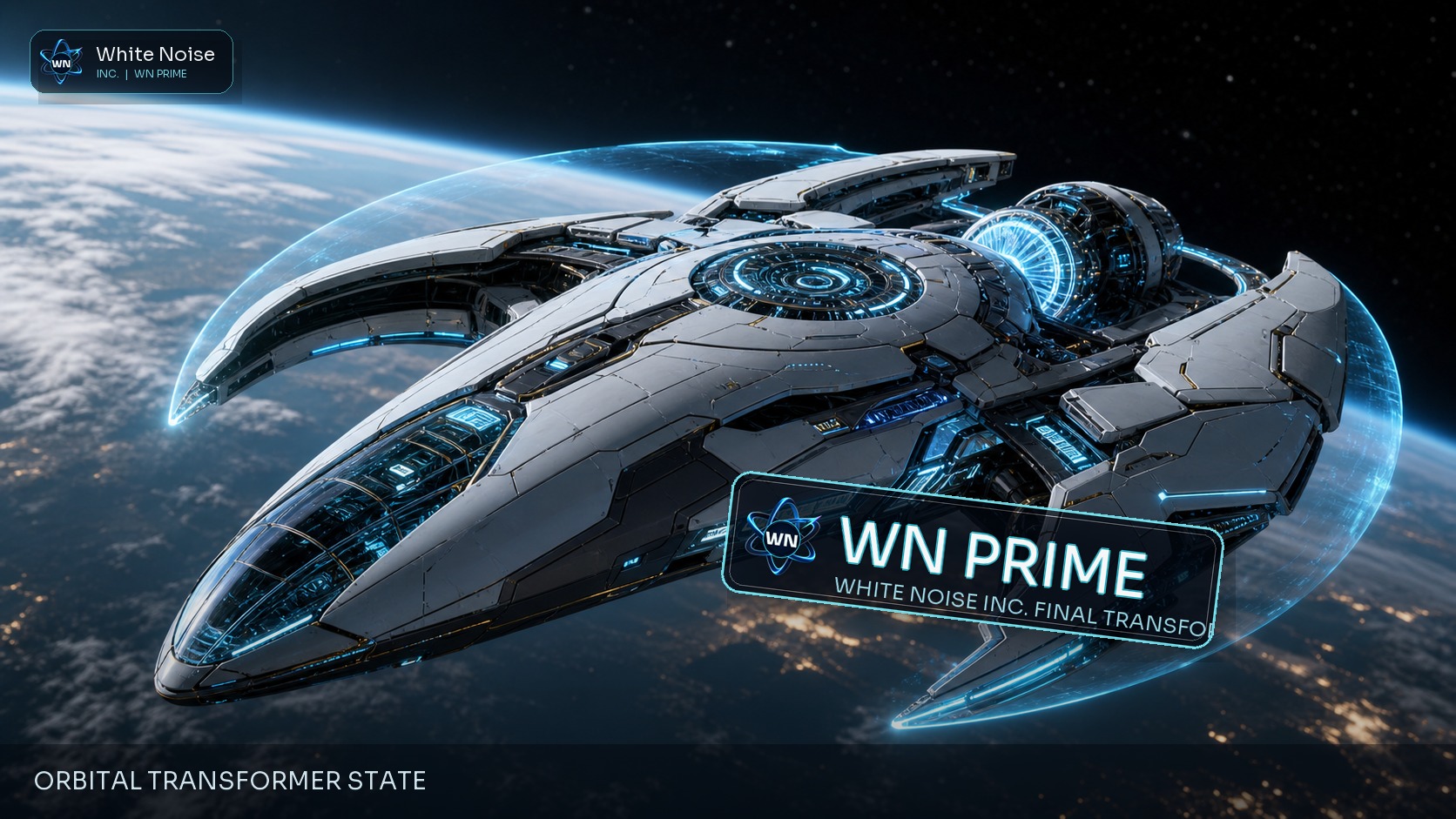
A flagship synthesis surface that concentrates the full stack into one speculative ship concept and Custom R&D path. It is a research and design brief, not evidence of a vehicle or propulsion system in operation.
Open WN Prime →However different they look, the product categories, Superfactories, WN Prime, and the WN Spaceships fleet share one burden: they have to turn big ambition into smaller, inspectable claims with visible boundaries.

Each product starts by turning a large claim into a readable object: a source sentence, a query, a benchmark, or a bounded scope.
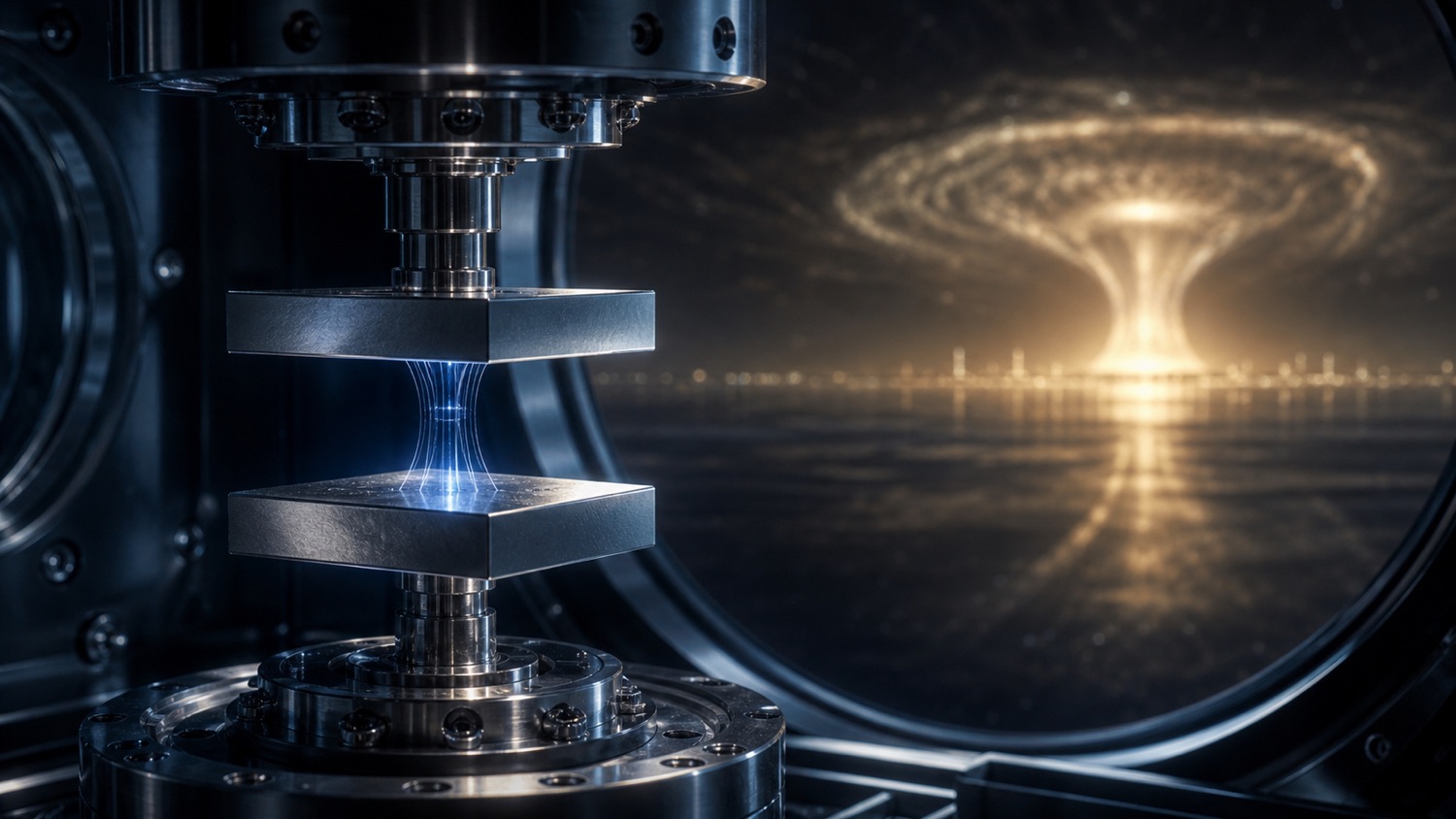
The trust-building move is to name energy, cost, failure modes, and operating limits before the abundance story gets louder than the evidence.
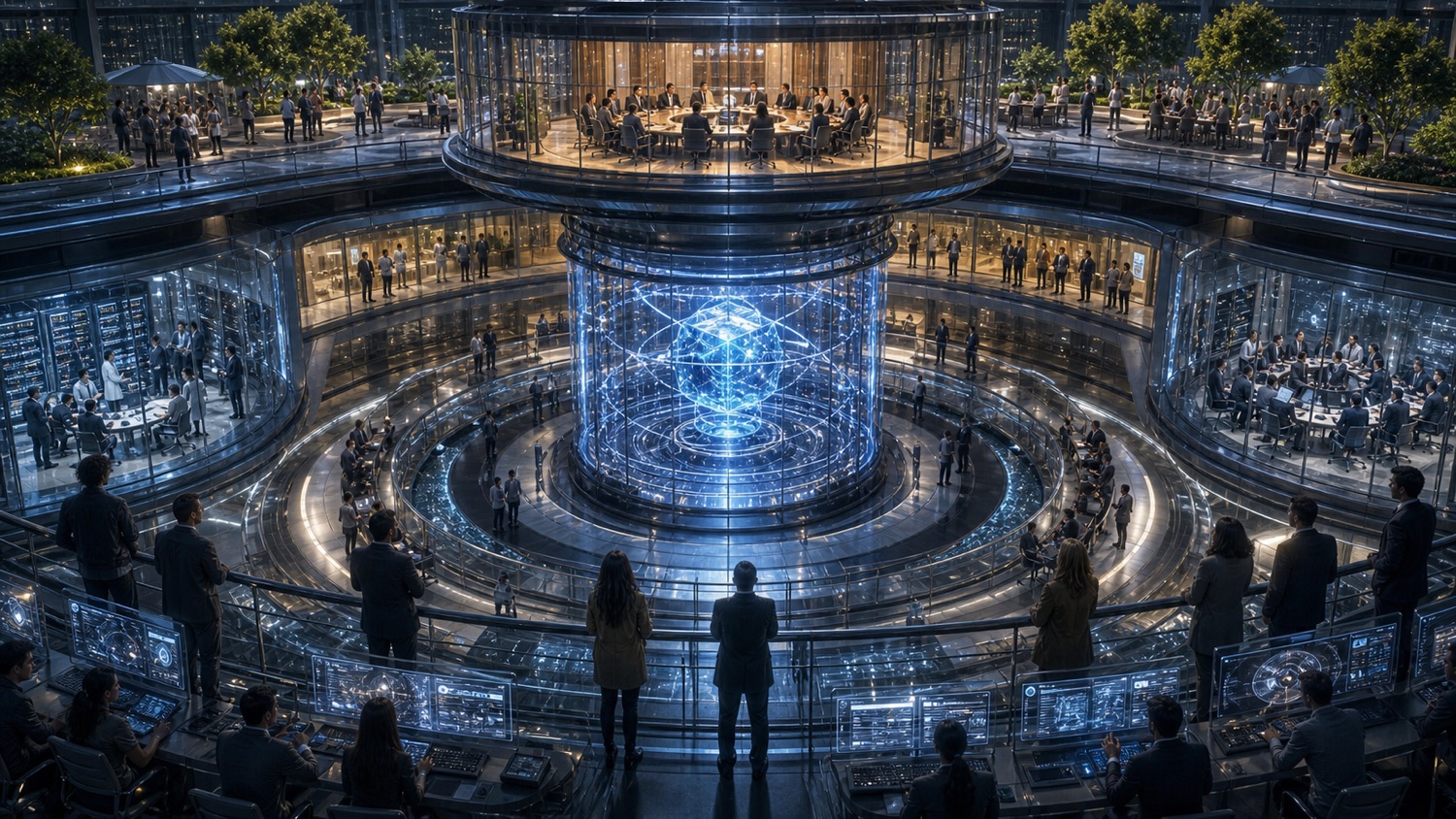
Governance, consent, maintenance, and refusal rights are part of the product surface, not secondary ethics copy.
The catalog isn't a shelf of gadgets. It is a staged dependency stack where each layer should become more specific, more testable, and more accountable than the one above it.
The White Noise Computer, the W.N. Chip, the Superformula, AI Tools, and the W.N. Internet define the language, measurements, and operator surfaces for the rest of the stack.
The White Noise Replicator, W.N. Material & Blue Gue, and WN Food & Water turn ambition into manufacturing, material, safety, and resource questions.
The White Noise Library, Engineered Verses, and Metaland & Media Worlds shape how possibility gets indexed, simulated, packaged, and governed.
The WN OSTSS, WN Superfactories, WN Spaceships, WN Prime, WN Nanobots & Macrobots, the Digital Medical System, WNBCI & Immortality Tech, and Project Utopia convert the stack into maintenance, care, habitat, and civic questions.
A conceptual map drawn from White Noise Totality, not a product roadmap — see the catalog above for each category.
Short answers to the things people ask first about the fourteen WN products and how to read the catalog.
The catalog is a speculative target drawn from White Noise Totality, not a shipping product line. Each entry pairs the imaginative goal with a credible near-term research path — the field notes separate the two honestly.
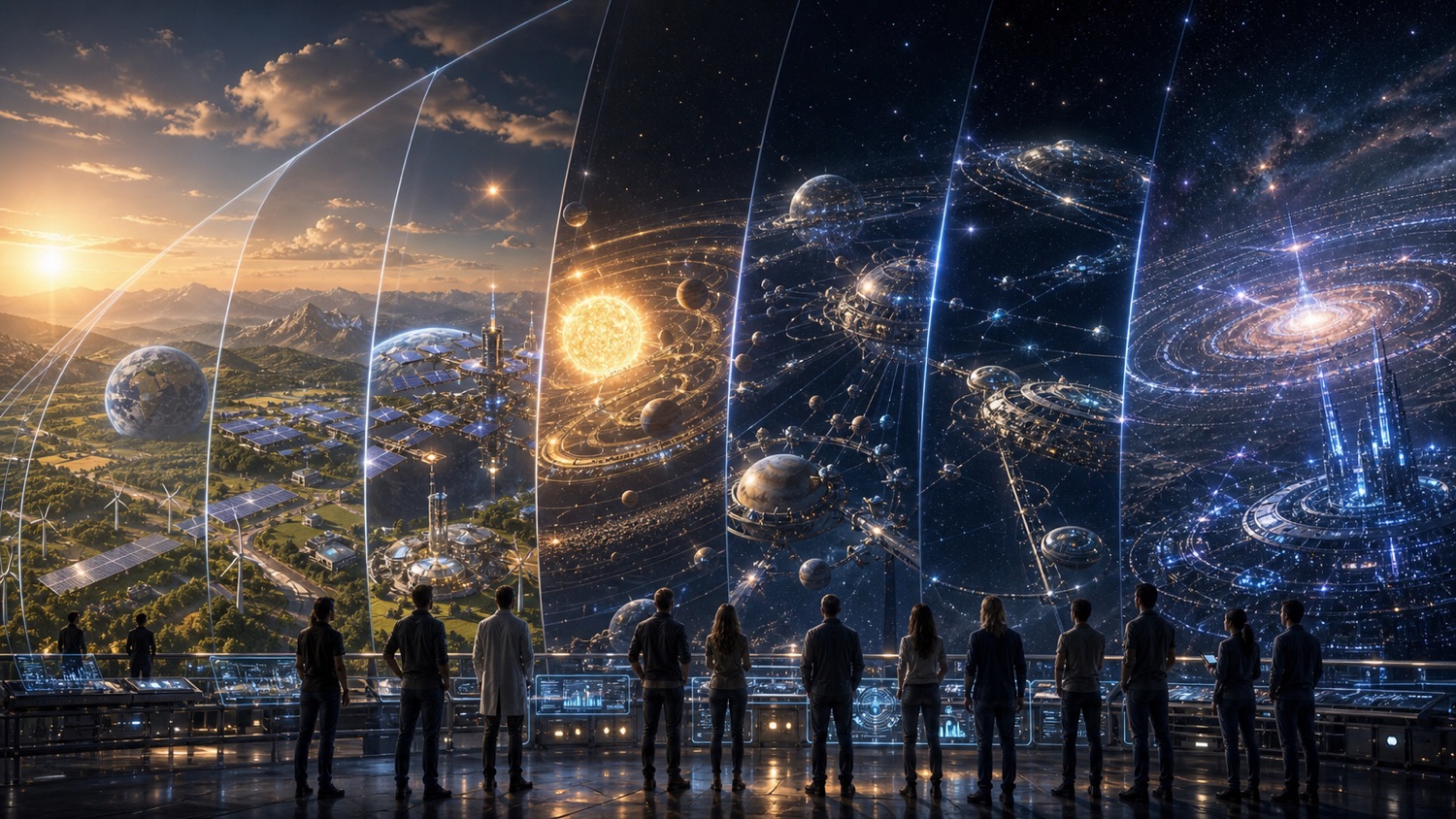
They're not fourteen gadgets but one dependency stack of four layers — compute, matter & energy, knowledge & worlds, and settlement & life. The stack map above shows how each layer is built by the one beneath it.
Yes. Every product category is also a course track in the WN Academy (1,000 courses), an Exchange market, and a research thesis you can help fund through the Club — so the catalog doubles as a learning and venture map.
Club Syndicate members can commission Custom R&D on any WN product, Superfactory, or WN Spaceship class — turning a catalog entry into a real, open-ledger engagement with a plain-language findings brief at the end.
Each product begins as a disciplined visual question: what would it look like, what would it depend on, and where would established physics push back? These scenes connect the catalog to the engineering essays that test it.
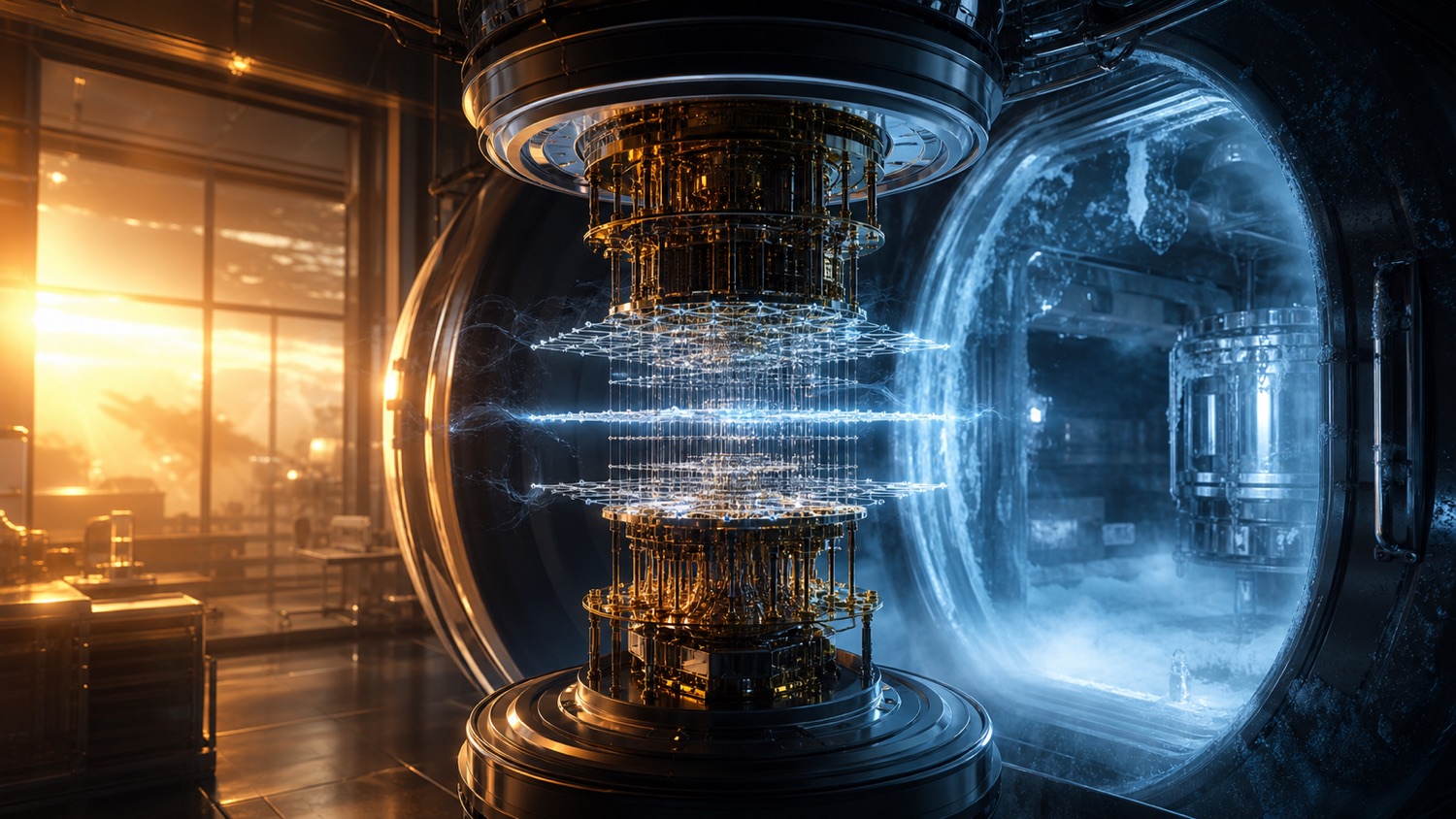
Coherence is the gate every universal computer must pass.
The practical road from digital files to local physical production.
Possibility becomes useful only when it can be indexed and retrieved.
A settlement architecture that can be reasoned about today.
The product catalog is speculative. The linked field notes separate the imaginative target from the credible near-term research path.
Read the field notes →"Matter becomes software — written, deployed, and evolved through omnipresent computation and infinite energy access." White Noise Totality — Part V
Each category is a course track, an Exchange market, and a research thesis members can take into the Labs. WN Prime and the WN Spaceships fleet give those theses a concrete build-and-transit language.